
Shrubs
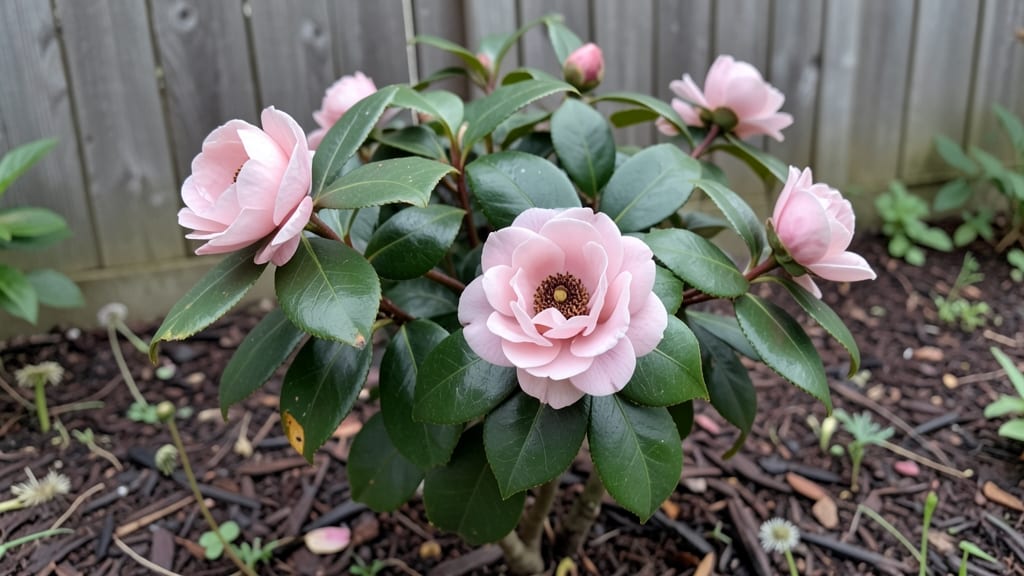
Fall flowering camellias 🌸 bring late-season color when most gardens fade to brown, thriving in zones where spring bloomers struggle.
If you love vibrant blooms but dread winter’s bare garden, these cold-hardy stars burst into color when most plants have retired for the season.
Unlike their spring-flowering cousins, these varieties—like Camellia sasanqua—bloom from October through December, offering year-round interest with glossy evergreen leaves. The key? Planting in acidic soil and protecting them from late frosts with mulch or burlap wraps.
Below, I’ll cover the best varieties for your zone, the exact planting window to avoid winter damage, and how to prune for bigger blooms next fall.
Why fall flowering camellias thrive in cold climates
Fall flowering camellias are nature’s answer to winter’s drabness—these evergreen shrubs refuse to surrender their beauty when temperatures drop. Unlike their spring-blooming cousins, Camellia sasanqua and other cold-hardy varieties bloom in late autumn and winter, defying seasonal norms.
Their secret lies in a combination of botanical resilience, strategic growth cycles, and adaptability to USDA zones 7-10, making them perfect for regions where frost arrives early.
One of their standout traits is their late-season blooming cycle. While most plants conserve energy for winter, these camellias store nutrients during summer to fuel fall and winter flowers.
This timing aligns perfectly with the color-starved months of November through January, offering gardeners a year-round interest that few other shrubs can match. Their evergreen foliage further extends their appeal, providing structure and texture even when blooms fade.
🌿
Their ability to thrive in cold climates stems from evolutionary adaptations. For instance, Camellia sasanqua varieties like Yuletide and Bonanza have developed thick, leathery leaves that resist frost damage. These leaves act like a natural insulation layer, protecting delicate flower buds from freezing temperatures down to 10–15°F.
Additionally, their deep root systems anchor them securely in the soil, preventing frost heave—a common issue for shallow-rooted plants in winter.
Another key advantage is their timed nutrient storage. During the warm months, these camellias absorb and store energy, which they later use to produce vibrant fall blooms.
This strategy ensures they don’t rely on spring sunlight for flowering, making them ideal for regions where winters are long and summers are short.
In USDA Zone 7, for example, you can expect blooms from October through December, while in Zone 9, flowers may linger until March.
🌹
Evergreen foliage is another game-changer for cold climates. While deciduous plants shed their leaves in winter, camellias maintain their glossy, dark green leaves year-round. This visual continuity softens the harshness of winter landscapes and provides a backdrop for snow or frost.
Varieties like George L. Davis (white blooms) and Setsugekka (pink blooms) are particularly prized for their winter garden impact, offering both color and structure when other plants are dormant.
For gardeners in USDA Zones 6 or below, choosing microclimate-friendly locations can further enhance cold hardiness. Planting near south-facing walls or under partial shade trees provides winter sun protection while still allowing morning sunlight for energy production.
Mulching with 3–4 inches of organic matter (like pine straw or wood chips) also insulates roots, preventing soil temperature fluctuations that can stress the plant.
🪴
One common misconception is that all camellias are tropical plants unsuited for cold weather. However, Camellia sasanqua and Camellia japonica hybrids have been selectively bred for cold tolerance. For example, the Yuletide variety can handle Zone 6 conditions with proper care, while Bonanza thrives in Zone 7.
Even in Zone 8, where winters are milder, these plants reward gardeners with prolonged blooming seasons and minimal winter dieback.
To maximize their cold-climate potential, focus on well-draining, acidic soil (pH 5.0–6.0) and
Top 5 fall-blooming Camellia varieties for cold regions
When fall’s crisp air arrives, most gardens fade to brown—but not yours. Cold-hardy fall-blooming camellias thrive in USDA zones 6–9, offering stunning blooms from October through December.
These varieties are bred to withstand light frosts and even brief cold snaps, making them perfect for northern gardeners who crave color after Labor Day.
Not all camellias are created equal. While spring-blooming varieties like Camellia japonica shine in warmer months, fall-blooming camellias (primarily Camellia sasanqua) are the unsung heroes of autumn gardens. Their evergreen foliage and fragrant flowers add texture and scent when other plants are dormant.
Below, I’ve curated the top 5 cold-tolerant varieties that deliver bold blooms and low-maintenance charm.
The first standout is ‘Bonanza’, a pink beauty with high fragrance that thrives in USDA zone 7–9. Its semi-double blooms appear from October through December, and its compact size (6–8 ft) makes it ideal for small gardens or container planting.
I’ve grown this variety in zone 7b, and it blooms reliably even after light frosts.
For a bold red statement, ‘Yuletide’ is unbeatable. This disease-resistant variety handles zone 6–9 with ease and produces abundant blooms from November to January. Its tall, upright habit (8–10 ft) works well as a specimen plant or hedge.
Unlike many camellias, ‘Yuletide’ tolerates wet soil better than average, making it a low-fuss choice for moist climates.
If you prefer white blooms, ‘George L. Davis’ is a compact powerhouse (4–6 ft tall) that excels in zone 7–9. Its single, white flowers appear from October to December and are highly fragrant.
This variety is perfect for foundation planting or small spaces because it stays neat and manageable with minimal pruning. I’ve used it as a privacy screen along fences with stunning results.
For purple-lovers, ‘Crimson King’ delivers deep crimson blooms from October through December in zones 7–9. Its upright growth (8–10 ft) and dark green foliage create a dramatic contrast.
While slightly less fragrant than ‘Bonanza’, its bold color makes it a showstopper in autumn landscapes. Prune lightly after blooming to maintain its pyramidal shape.
Finally, ‘Shishi Gashira’ offers pale pink, semi-double blooms with a delicate, almost lace-like appearance. This Japanese variety thrives in zones 7–9 and blooms from November to January. Its medium height (6–8 ft) and airy habit make it ideal for cottage gardens or woodland settings.
Unlike heavier-blooming varieties, ‘Shishi Gashira’ doesn’t require staking, making it a carefree choice for beginner gardeners.