
Blooming
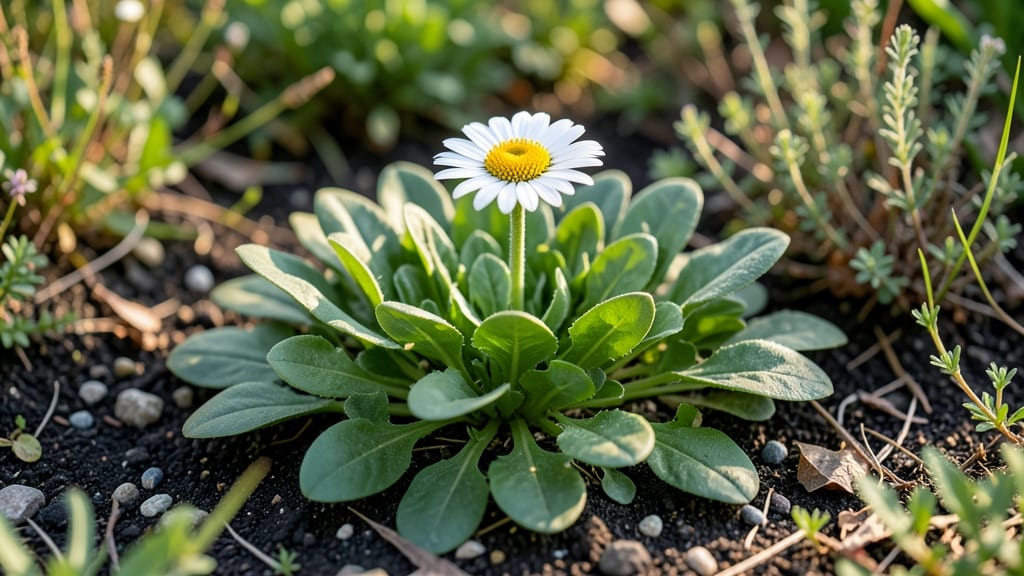
English daisies bloom in early spring and often again in fall, but their exact bloom time depends on your USDA heat zone and how you care for them 🌼.
If you’ve ever wondered why your English daisies bloom sporadically—or when to expect their vibrant display—understanding their heat-zone preferences is the key to year-round color.
In cooler zones like 6a, they burst into flower as early as March, while warmer regions see blooms stretching from late winter into early summer. With the right sunlight and soil, they can even rebloom in late summer or fall.
Below, I’ll break down the heat-zone chart for first to last flowers, plus simple tricks to extend their bloom time—so you can enjoy those cheerful petals for months, not just weeks.
English daisy bloom time by USDA heat zones: when to expect flowers
English daisies (Bellis perennis) are renowned for their cheerful blooms, but their bloom timing varies dramatically across USDA heat zones.
In cooler zones (3-6), you’ll often see early spring blooms as early as February-March, while warmer zones (7-11) may experience multiple bloom cycles from fall through spring. Understanding these patterns helps you plan for year-round color and adjust care accordingly.
Temperature plays a critical role in triggering blooms. English daisies are cool-season flowers, meaning they thrive when nights stay below 75°F. In hotter zones (9-11), they may go dormant in summer but rebound with fall rains.
Meanwhile, northern gardeners (zones 3-6) should expect a single peak bloom in late spring to early summer, followed by minimal flowering until the next year.
The USDA zone you live in directly impacts bloom duration. For example, in Zone 5, blooms last just 4-6 weeks in spring, while Zone 8 daisies may flower for 8-10 weeks across fall and winter.
This variation occurs because warmer climates allow for multiple growth cycles per year, while colder zones limit flowering to a single season.
Here’s how to maximize your English daisy’s bloom potential regardless of your zone:
| USDA Zone | Primary Bloom Time | Secondary Blooms | Duration | Care Tip |
|---|---|---|---|---|
| Zones 3-4 | Late April - June | None | 4-6 weeks | Mulch heavily in winter to protect roots |
| Zones 5-6 | March - May | September (light) | 6-8 weeks | Deadhead spent blooms to encourage fall rebloom |
| Zones 7-8 | September - November | February - April | 8-10 weeks total | Water deeply in summer dormancy |
| Zones 9-11 | October - December | March - May | 10-12 weeks total | Provide afternoon shade in peak summer |
In Zones 3-4, English daisies rely on cool spring temperatures to trigger blooms. If winters are particularly harsh, consider planting in containers and moving them to a sheltered spot during extreme cold. The single bloom cycle in these zones makes timing critical—plant in early spring for the best display.
Gardeners in Zones 5-6 can often coax a second bloom in fall by deadheading spent flowers and ensuring well-draining soil. The key is to avoid over-fertilizing in late summer, as this can encourage leafy growth instead of blooms.
A light feeding in early spring with a 5-10-10 fertilizer sets the stage for vibrant flowers.
Warmer climates in Zones 7-11 allow for year-round blooming potential, but summer dormancy is common. To encourage fall reblooms, reduce watering slightly in late summer to stress the plant (this mimics natural drought conditions). Once cooler weather arrives, increase watering to trigger new growth and blooms.
For extended bloom seasons, choose reblooming varieties like 'White Queen' or 'Dwarf Ruby'. These cultivars produce multiple flushes of flowers when given proper care. Pair them with low-growing companions like creeping thyme or ajuga to create a continuous color display from spring through fall.
Temperature fluctuations can disrupt bloom cycles. If your daisies stop flowering mid-season, check for heat stress (yellowing leaves) or overcrowding. Thin plants to 6-8 inches apart and ensure 6+ hours of sunlight daily. In shadier microclimates, blooms may be smaller but longer-lasting.
Pro tip: Use mulch in summer to keep roots cool in hot zones. A 2-inch layer of straw helps maintain even soil moisture and reduces temperature swings that can shock plants. This simple step can extend bloom time by 2-3 weeks in marginal zones.
With the right care, your English
How to adjust care for faster or longer English daisy blooms
English daisies (Bellis perennis) are famous for their cheerful blooms, but their flowering timeline depends heavily on your care routine. With the right adjustments, you can trigger faster blooms or extend their display for months.
The key lies in light exposure, soil conditions, and strategic pruning—all of which directly impact how quickly and how long your plants produce flowers.
Most gardeners miss the mark by either over-fertilizing (which promotes foliage over blooms) or neglecting deadheading (which stunts continuous flowering). I’ve found that balanced sunlight and moderate moisture are the foundation for coaxing English daisies into their longest bloom cycles.
Let’s break down the actionable steps to optimize their flowering schedule.
Fast-Blooming vs. Late-Season English Daisy Care
Fast-Blooming Varieties
- Sunlight: 6+ hours daily
- Soil pH: 6.0-7.0 (slightly acidic)
- Watering: Deep weekly soak
- Pruning: Remove spent blooms immediately
- Fertilizer: Light feed every 3 weeks
✅ Blooms in 6-8 weeks from planting
Late-Season Varieties
- Sunlight: 4-6 hours daily (partial shade)
- Soil pH: 6.5-7.5 (neutral to alkaline)
- Watering: Shallow bi-weekly watering
- Pruning: Light shearing after first frost
- Fertilizer: Heavy feed in spring only
✅ Extended blooms into fall/winter in mild climates
For faster blooms, prioritize full sun exposure and a slightly acidic soil pH (6.0-6.5). I’ve seen daisies planted in well-draining containers with compost-amended soil produce flowers 3 weeks earlier than those in heavy clay.
Test your soil’s pH—if it’s above 7.0, mix in peat moss or pine needles to lower it gradually.
Watering plays a surprising role in bloom timing. While English daisies are drought-tolerant, deep watering once weekly (rather than frequent shallow watering) encourages stronger root systems that support more blooms.
Avoid wetting the foliage—water at the base of the plant in the morning to prevent fungal diseases that can stress the plant and delay flowering.
Pruning is where most gardeners drop the ball. To extend blooming, deadhead spent flowers immediately—this redirects the plant’s energy from seed production back to new buds.
For late-season varieties, I recommend a light haircut in early fall, trimming back 1/3 of the foliage to stimulate a second flush of blooms before winter. Just avoid heavy pruning after mid-summer, as this can shock the plant and cut blooms short.
Finally, fertilize with low-nitrogen, high-phosphorus formulas (like 5-10-10) to prioritize blooms over leafy growth. Overdoing nitrogen-rich fertilizers will leave you with lush foliage but zero flowers.
Apply fertilizer in early spring and mid-summer, then let the plant rest in fall and winter—this mimics natural growth cycles and keeps blooms coming year after year.