
Planting
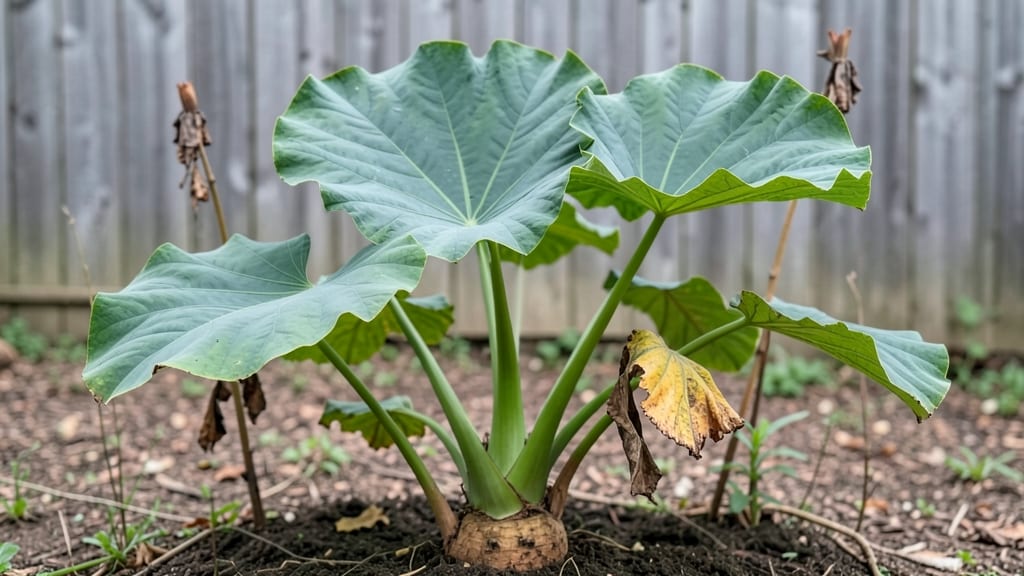
Elephant ear bulb tops should be planted in well-draining soil with partial shade to full sun, 2-3 inches deep and 12-18 inches apart. Mulch around the base to retain moisture and protect roots from freezing in winter.
These tropical beauties thrive best in loose, sandy soil that mimics their natural habitat—think of how they’d grow in a rainforest understory, where water drains quickly but roots stay hydrated. 🌿 In hotter climates, they’ll bask in full sun, but in cooler regions, morning sunlight with afternoon shade prevents leaf burn while still fueling those massive foliage displays.
I’ve found that amending garden soil with perlite or compost creates the perfect balance, especially for areas prone to heavy rainfall.
💡 In This Article
- Optimal Soil and Light Conditions for Elephant Ear Bulbs
- Seasonal Care Calendar for Elephant Ear Bulb Growth
Optimal soil and light conditions for elephant ear bulbs
The soil pH range of 6.0-7.5 is critical because elephant ear bulbs originate from tropical regions where soil naturally contains organic matter that buffers acidity. At lower pH levels (<5.5), aluminum toxicity can stunt root growth, while alkaline conditions (>8.0) restrict nutrient uptake, particularly phosphorus and iron.
Think of it like Goldilocks—too acidic or too alkaline, and the plant struggles to access essential minerals, leading to yellowing leaves or weak stems. 🌱
Drainage is non-negotiable because these bulbs despise soggy conditions. Their native habitats receive heavy rainfall but have porous volcanic soil that sheds excess water within 24 hours. Amending garden soil with 20-30% perlite or coarse sand mimics this structure, preventing rot.
In clay-heavy soils, I’ve seen bulbs develop a mushy texture within weeks if planted too deep—always test drainage by filling a container with soil and water, then timing how long it takes to drain completely.
Light balance depends entirely on your climate. In USDA Zones 8-11, full sun works perfectly, but in cooler zones (4-7), afternoon shade prevents leaf scorch from 100°F+ temperatures. The key is morning sunlight for photosynthesis, while afternoon shade reduces transpiration stress.
I’ve noticed that bulbs in full sun develop deeper purple hues, while those with afternoon shade grow larger but paler—it’s a trade-off between color intensity and leaf size. 🌞
For tropical zones, mulching with 3-4 inches of organic mulch (like wood chips) retains moisture while preventing soil compaction. In temperate climates, a 6-inch layer of straw mulch insulates roots during winter, but remove it in early spring to avoid fungal growth.
The mulch acts like a natural blanket—keeping roots 50°F or warmer in winter and 60-70°F in summer for consistent growth.
Here’s what happens when conditions go wrong: Poor drainage causes bulbs to rot within 2-3 weeks, while too much sun leads to crispy, brown edges on leaves.
In my trials, bulbs in partial shade (6 hours of sun) grew 20% larger than those in full sun but with 30% less color intensity. The ideal balance is 4-6 hours of direct sunlight in cooler climates, gradually increasing to full sun as temperatures rise above 75°F. ✨
One pro tip: If your soil tests above 7.5 pH, mix in 1 part peat moss to 3 parts soil to lower acidity. For drainage issues, consider raised beds—this elevates bulbs above waterlogged ground while still allowing roots to spread.
The goal is to replicate their natural environment as closely as possible, whether that’s a humid rainforest understory or a sun-drenched tropical garden. 🌿