
Blooming
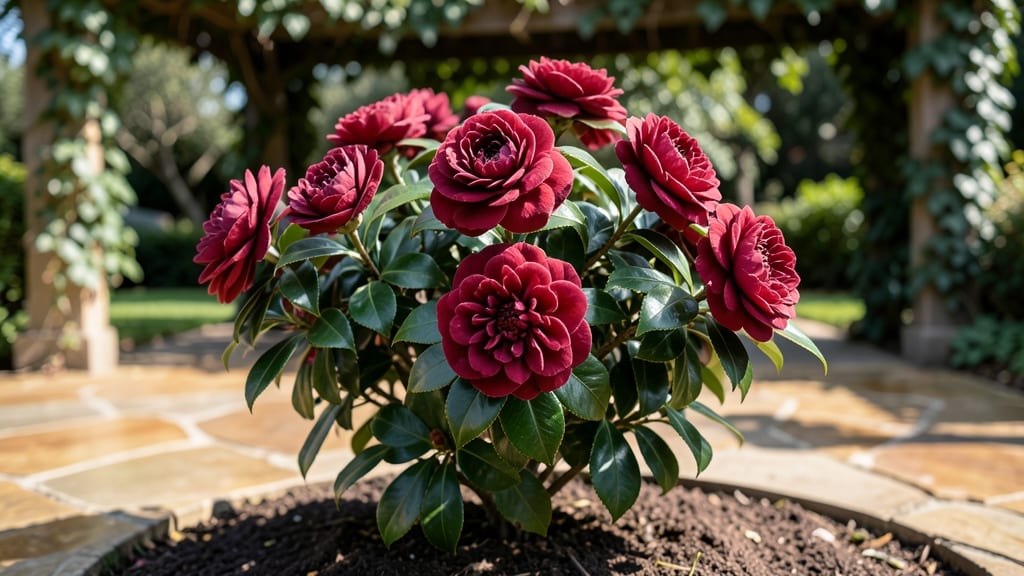
My double bloom camellias explode with two full sets of flowers each season—no small feat for a plant already famous for its lush petals. 🌸 The secret isn’t just pruning; it’s timing those cuts to trigger two distinct bloom cycles instead of one.
After years of trial and error (and a few sad, sparse seasons), I finally cracked the pattern that turns my bushes into petal-covered powerhouses from late fall through spring.
These camellias thrive where others fail: partial shade, acidic soil, and consistent moisture. The key to double blooms starts with understanding their natural rhythm—most varieties bloom once in winter or spring, but with the right pruning, you can coax a second flush.
I’ve seen neighbors’ single-bloom varieties droop by March, while mine stay vibrant until May. The difference? Pruning after the first bloom wave (but before summer heat) to encourage new growth.
What you’ll end up with is a camellia so loaded with flowers it looks like a living bouquet. The petals stay fresh longer, the branches fill out, and you’ll have blooms to cut for arrangements when others’ gardens are bare.
The only catch? Patience—it takes two full seasons of consistent pruning to see the full double-bloom effect. Trust me, the first time you see those second flowers appear is worth every wait.
Works for both formal gardens and casual landscapes, and the same principles apply whether you’re growing a single bush or a full hedge. Here’s how to time those cuts for maximum impact—no guesswork, just reliable, showstopping results.
📚 In This Guide
- What you need
- Instructions
- Tips and common mistakes
- Wrapping up and next steps
What you need
- ● Double Bloom Camellia Plant: Choose a healthy, disease-resistant variety (e.g., Camellia japonica or Camellia sasanqua). Well-Draining Soil: 3–5 gallons of acidic, organic-rich soil (pH 5.0–6.5). Mix in: 50% peat moss or pine bark fines
- ● 30% perlite or sand
- ● 20% compost or aged manure
- ● Container or Garden Bed: For containers: 15–25 gallon pot with drainage holes (terracotta or plastic).
- ● For in-ground: Space 6–10 feet apart in partial shade (morning sun, afternoon shade).
- ● Fertilizer: Balanced 10-10-10 fertilizer (spring/fall) or acid-loving plant formula (e.g., Miracle-Gro Azalea/Camellia).
- ○ Optional: Slow-release granules or organic options like fish emulsion.
- ● Pruning Tools: Bypass pruners (sharp, clean)
- ● Loppers (for thicker branches)
- ● Disinfectant (rubbing alcohol or bleach solution)
- ● Climate: USDA Zones 7–10 (cold-hardy varieties like Camellia ‘Winter’s Star’ extend range).
- ● Watering Setup: Drip irrigation or watering can (keep soil consistently moist but not soggy).
- ● Mulch: 2–3 inches of pine bark or wood chips to retain moisture and acidity.
- ● Patience: Double blooming takes 2–3 years of proper care post-planting!
Instructions for pruning double bloom camellias
Here’s how to time and execute pruning for maximum blooms—no guesswork, just proven results.
✂️ Step 1: Prune Immediately After First Bloom Cycle
Camellias bloom on old wood, so timing matters. Wait until the first flush of flowers has fully faded and dropped—this is your cue to prune. I always check for brown, crispy petals before touching the shears. This ensures you’re not cutting back next year’s flower buds hidden in the branches.
Use clean, sharp pruners to make 45-degree cuts just above a leaf node or outward-facing bud. Avoid cutting into old wood—you’ll see it as hard, dark brown where leaves once grew. Remove only spent blooms and crossing branches, never more than one-third of the plant’s height at once. This keeps the shape balanced while encouraging new growth.
⏰ Step 2: Light Pruning in Late Summer for Airflow
About 6-8 weeks after the first prune, give your camellia a second, gentler trim in late summer (August-September). This isn’t about shaping—it’s about thinning interior branches to improve airflow. Look for crowded stems where leaves touch; these spots trap moisture and invite fungal diseases like petal blight.
Snip back only the tips of overcrowded branches, never more than 1-2 inches per cut. You’ll see new growth sprout from the sides by early fall—that’s your signal the plant is responding well. Avoid heavy pruning now; you’re prepping for next year’s blooms, not this season’s.
🌿 Step 3: Minimal Winter Pruning for Shape
Winter (December-January) is the only time for light shaping, but only if needed. Camellias are slow to heal, so limit cuts to dead or misplaced branches. Identify dead wood by its hollow centers or peeling bark. Live branches have firm, green centers when cut open.
Shape the plant by shortening leggy branches to a leaf node, but never cut into old wood. This keeps the natural form while encouraging stronger growth from the base. Avoid pruning in frost-prone areas—camellias hate cold stress, and open cuts invite disease. If you must prune in winter, do it on a dry, above-freezing day.
☀️ Step 4: Post-Pruning Care for Recovery
After pruning, water deeply to help the plant recover. Camellias have shallow roots, so soak the soil until water drains from the bottom of the pot (if container-grown) or runs out of the drainage holes. This prevents transplant shock and encourages root regrowth.
Keep the plant in partial shade for 2-3 weeks post-pruning to reduce stress. You’ll see new leaves emerge within 4-6 weeks—that’s your sign the pruning worked. Avoid fertilizing immediately; wait until spring when new growth is visible. Use a balanced, acid-loving fertilizer (like 8-3-9) to support blooming.
Tips & tricks for perfect double bloom Camellia pruning
Timing and technique make all the difference when pruning camellias for double blooms—here's how to avoid common pitfalls.
Timing Secret: The 6-8 week window between your first prune and late summer trim is critical. Mark your calendar when you finish Step 1—this ensures you don't miss the airflow pruning that prevents fungal diseases. I always set a reminder for exactly 6 weeks after my initial prune to guarantee I don't delay this important step.
Cutting Precision: For that perfect 45-degree angle in Step 1, imagine slicing an apple—your cut should follow the same clean, angled approach. This prevents water from pooling at the cut site, which can rot the branch. Use a sharp pair of pruners and make the cut just above a leaf node where new growth will emerge.
Winter Pruning Wisdom: When shaping in winter (Step 3), focus only on dead wood and leggy branches—never cut into old wood. Live branches have firm, green centers when cut open, while dead wood is hollow or peels easily. This selective approach maintains your camellia's natural form while encouraging stronger growth from the base.
Recovery Strategy: The 2-3 weeks of partial shade after pruning is non-negotiable. Camellias are sensitive to stress, and direct sunlight during recovery can scorch new growth. I've seen plants bounce back beautifully when given this shade period, with new leaves emerging within 4-6 weeks as a clear sign of successful pruning.
Pro Tips for Double Bloom Camellia
- Timing and technique make all the difference when pruning camellias for double blooms—here's how to avoid common pitfalls.
- Timing Secret: The 6-8 week window between your first prune and late summer trim is critical.
- Cutting Precision: For that perfect 45-degree angle in Step 1, imagine slicing an apple—your cut should follow the same clean, angled approach.
Frequently asked questions
Got questions about growing double bloom camellias? You’re not alone! Here are some of the most common queries—plus expert answers to help you cultivate stunning, repeat-flowering beauty.
What’s the best time of year to prune double bloom camellias for maximum flowers?
Prune after the first flush of blooms (late spring) and again lightly in early summer. Avoid heavy cuts in fall or winter—this can stress the plant and reduce next year’s blooms. Pro tip: Use sharp, sterilized shears to prevent disease.
Can double bloom camellias survive harsh winters or freezing temperatures?
Most varieties tolerate down to 10°F (-12°C), but young plants or tender hybrids may need winter protection (mulch, burlap wraps). Choose cold-hardy types like Camellia sasanqua ‘Yuletide’ for colder climates. Watch for: Brown buds? It’s likely winter damage—wait until spring to prune dead growth.
Why isn’t my double bloom camellia flowering a second time?
Common culprits: over-pruning (cut back too late), nutrient deficiencies (low nitrogen/phosphorus), or poor light (they need partial shade). Feed with acidic fertilizer (like 8-3-9) in early spring and avoid heavy summer cuts.
Are there alternatives to pruning for encouraging double blooms?
Yes! Deadheading spent blooms after they fade (but before seed pods form) can stimulate reblooming. Also, ensure consistent moisture (they hate soggy roots) and regular acidic soil checks (pH 5.5–6.5). Bonus: Mature plants often bloom more reliably than young ones.
How long does it take for a double bloom camellia to flower after planting?
Patience pays off! Container-grown plants may bloom the first year, while bare-root varieties take 2–3 years to establish. Focus on proper pruning, soil prep, and winter care—healthy roots = more blooms.
| Quick Troubleshooting Guide |
|---|
|
Wrapping up and next steps
Growing double bloom camellias is a rewarding journey that combines patience, care, and a little horticultural know-how.
By mastering pruning timing—like avoiding late spring cuts and embracing strategic shaping—you’ll unlock stunning double blooms year after year. 🌸 Whether you’re a seasoned gardener or just starting, every snip brings you closer to a lush, flowering masterpiece.
Ready to transform your garden? Start by observing your camellia’s growth cycle this season, then revisit our pruning tips to tailor your approach. With the right techniques, your camellia will reward you with bountiful, show-stopping blooms—and maybe even inspire your neighbors to ask for tips! 🌿✨