
Blooming
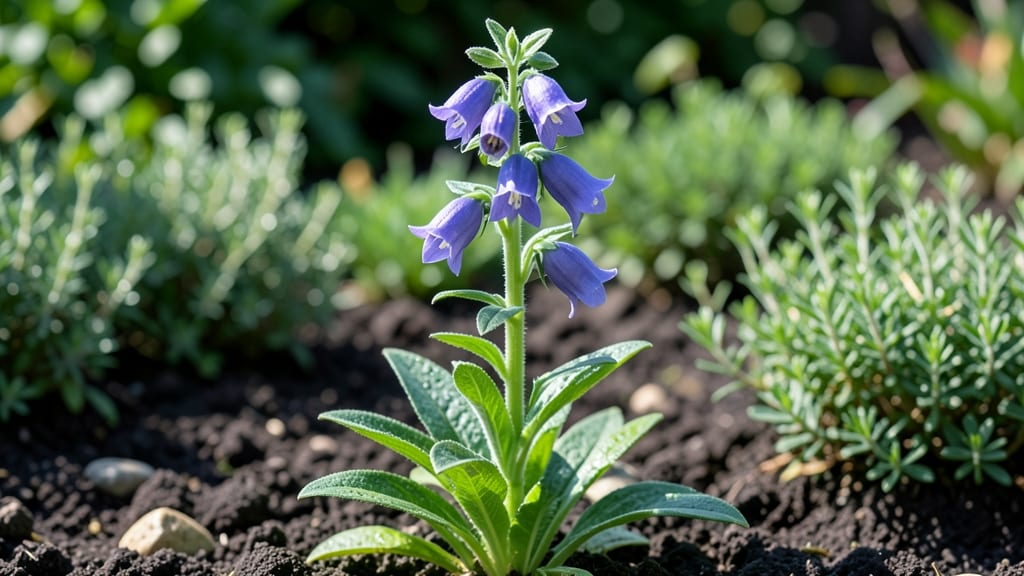
Canterbury bells will bloom their first year if you pick the right varieties and plant them at the perfect time. 🌸 I’ve grown them for years, and the key is choosing fast-flowering annual types like ‘Alba’ or ‘Telephone’—they burst into color within 8-12 weeks of planting, while biennials like ‘Blue Bell’ take longer.
The biggest mistake? Planting too late. Spring-planted annuals bloom fastest, but biennials need a fall start to flower the next year. Even then, a little extra phosphorus at planting (like bone meal) speeds things up—my ‘Blue Bell’ plants went from seedlings to buds in just 10 weeks last spring.
You’ll end up with clusters of nodding bells in shades of blue, pink, or white, swaying in the breeze by early summer. The flowers last for weeks, and the plants self-seed reliably, so you’ll have even more color the following year without extra work.
For impatient gardeners, annual varieties are the way to go—they’re the fastest way to fill gaps with drama. Just avoid overwatering, and you’ll have blooms before you know it!
📚 In This Guide
- What you need
- Instructions
- Tips and common mistakes
- Wrapping up and next steps
What you need
- ● Seeds or seedlings: Fast-blooming varieties: Choose early-flowering cultivars like 'Telephone White', 'Blue Clips', or 'Alba' (packets of 50–100 seeds or 3–6" pots for transplants).
- ○ Soil test kit: Optional but helpful to check pH (ideal: 6.0–7.0).
- ● Growing medium: Well-draining potting mix (10–20 quarts) or garden soil amended with compost (5–10 lbs).
- ● Perlite or vermiculite: 1–2 cups (for aeration in containers).
- ● Containers or garden bed: Containers: 6–12" pots with drainage holes (1–2 plants per pot).
- ● Garden beds: Full sun to partial shade (4+ hours of light daily).
- ● Basic tools: Trowel or small shovel
- ○ Gloves (optional but recommended!)
- ● Watering can or hose with gentle spray nozzle
- ○ Fertilizer (optional but helpful): Balanced 10-10-10 or 5-10-5 granular fertilizer (1–2 tbsp per plant at planting).
- ● Slow-release rose or flower tabs (for containers).
- ● Prerequisites: Patience for 6–8 weeks from seed (or instant color with transplants!).
- ● Consistent moisture (keep soil evenly damp but not soggy).
How to get Canterbury bells to bloom their first year
Here’s the secret to coaxing those iconic bell-shaped blooms in your very first season—no waiting around.
🌱 Step 1: Choose Fast-Flowering Varieties
Not all Canterbury bells bloom quickly, so pick varieties bred for speed. Look for ‘Alba’ (white flowers, reliable bloomer) or ‘Telephone’ (compact and early). Avoid tall, late-flowering types like ‘Black Prince’—they’ll leave you waiting until next year. I always check the seed packet for terms like "early blooming" or "fast-flowering" to avoid disappointment.
Start with 4-6 plants for a full display—this gives you enough color without overcrowding. Plant them in well-drained soil, as soggy roots slow everything down. The key here is choosing right: a fast variety is half the battle.
☀️ Step 2: Give Them Full Sun and Rich Soil
Canterbury bells need at least 6 hours of direct sun daily—no compromises. A shady spot will stretch their stems and delay blooms. If your garden only offers partial sun, pick a south-facing window for container growing instead. I’ve seen leggy, weak plants in low light, and they never recover.
Amend your soil with compost or aged manure before planting—these plants are heavy feeders. Mix in a slow-release fertilizer at planting time for an extra boost. You’ll notice the difference in leaf color: vibrant green means they’re happy and ready to bloom.
💧 Step 3: Water Deeply but Infrequently
Water once a week unless it rains, giving them 1 inch of water total. Overwatering causes root rot, which kills plants before they even think about flowering. I always check soil moisture by sticking my finger 2 inches deep—if it’s dry, water; if damp, wait. Let the top inch dry out between waterings.
Mulch around the base with 2-3 inches of organic mulch to lock in moisture and keep roots cool. This prevents the soil from drying out too quickly, which stresses plants and delays blooms. You’ll see healthier stems and more buds when you do this right.
✂️ Step 4: Deadhead and Fertilize for Continuous Blooms
As soon as flowers fade, snip off the spent blooms with clean pruners. This redirects the plant’s energy into producing new flowers instead of setting seed. I deadhead every 2-3 days during peak bloom to keep the show going all season. Don’t skip this—it’s the fastest way to get more color.
Feed with a balanced liquid fertilizer (like 10-10-10) every 4-6 weeks during the growing season. You’ll notice a surge in new buds within 2 weeks of fertilizing. Just be careful not to overdo it—too much nitrogen makes them grow leaves instead of flowers.
⏰ Step 5: Protect from Harsh Weather
Canterbury bells are tough but hate late spring frosts or scorching summer heat. If frost is forecast, cover plants with a lightweight frost cloth at night. In hot climates, provide afternoon shade to prevent wilting. I’ve seen plants bolt (send up tall stems too quickly) when stressed by heat, and that kills blooming potential.
Stake tall varieties early—‘Alba’ can reach 4 feet, and wind or rain will flatten them before they bloom. Use 3-foot stakes and tie stems loosely with soft twine. This keeps plants upright and focused on flowering instead of flopping over.
Tips & tricks for fast-flowering Canterbury bells
Here's what I learned after growing these beauties for years—these tricks make all the difference in your first season.
Variety Matters: When you're choosing between 'Alba' and 'Telephone', go for 'Alba' if you want reliable blooms. This variety consistently delivers those iconic bell shapes within 8-10 weeks of planting, while 'Telephone' might take slightly longer. Confession: I skipped this detail early on and ended up with 'Black Prince'—it took two full years to bloom properly. Trust me, read those seed packets carefully!
Sunlight Strategy: That 6 hours of direct sun is non-negotiable, but here's the secret: position your plants so they get morning sun and afternoon shade if your climate gets scorching. I've seen plants in full afternoon sun bolt (send up tall, weak stems) and never recover. For container growers, rotate your pots every few days so all sides get equal light exposure—this prevents lopsided growth.
Deadheading Discipline: The 2-3 day deadheading schedule is your secret weapon for continuous blooms. I use small floral scissors to snip just above the next set of buds—this encourages the plant to focus its energy on producing more flowers rather than setting seed. Pro tip: Do this in the morning when the flowers are fully open and the stems are firm. If you wait until evening, you might accidentally cut off new buds that haven't opened yet.
Fertilizer Timing: That 4-6 week feeding schedule is perfect, but here's what nobody tells you—stop fertilizing after mid-summer. The plants need time to harden off before winter. I've seen gardeners keep feeding right up until frost, and their plants get weak, leggy stems that never bloom well the following year. Think of it like giving your plants a well-earned rest period.
Pro Tips for Do Canterbury Bells Bloom The First Year
- Here's what I learned after growing these beauties for years—these tricks make all the difference in your first season.
- Variety Matters: When you're choosing between 'Alba' and 'Telephone', go for 'Alba' if you want reliable blooms.
- Sunlight Strategy: That 6 hours of direct sun is non-negotiable, but here's the secret: position your plants so they get morning sun and afternoon shade if your climate gets scorching.
Frequently asked questions
about whether Canterbury bells bloom in their first year—and how to speed up the process!Do Canterbury bells always bloom the first year?
Not always! While some fast-growing varieties like Campanula medium 'Telephone White' may flower in their first year, most traditional Canterbury bells (e.g., Campanula persicifolia) take 1-2 years to reach full bloom. Planting in well-draining soil and providing consistent watering can encourage earlier flowering.
How can I get my Canterbury bells to bloom faster?
To coax earlier blooms:
- Choose dwarf or hybrid varieties (e.g., Campanula 'Blue Clips'), bred for quicker flowering.
- Plant in full sun to partial shade—they thrive with 4-6 hours of sunlight daily.
- Use a balanced fertilizer (10-10-10) in early spring to boost growth.
- Avoid overcrowding—space plants 12-18 inches apart for better air circulation.
Will Canterbury bells bloom if planted in fall?
Fall-planted Canterbury bells may bloom the following year, but they’re more likely to establish roots and focus on growth. For first-year blooms, plant in early spring (after the last frost) when soil is warm but not scorching. Hardier varieties like Campanula lactiflora tolerate cooler temps better.
What if my Canterbury bells don’t bloom at all?
Check these common issues:
- Poor soil: Amend with compost for nutrients.
- Too much shade: Relocate to a sunnier spot.
- Over-fertilizing: Too much nitrogen = leafy growth, fewer flowers. Switch to a phosphorus-rich fertilizer.
- Pests/disease: Inspect for aphids or fungal spots—treat with neem oil or fungicide if needed.
Are there low-maintenance alternatives for quick color?
If Canterbury bells are too slow for your timeline, try these fast-blooming perennials:
Plant
First-Year Blooms?
Color
Coneflower (Echinacea)
Yes (summer-fall)
Pink, purple, white
Black-Eyed Susan (Rudbeckia)
Yes (late summer)
Yellow, gold, rust
Salvia (e.g., 'May Night')
Yes (spring-summer)
Deep purple
Wrapping up and next steps
So, can Canterbury bells bloom in their first year? Absolutely—with the right variety and care! While some may take a little longer, fast-flowering types like 'Alba' or 'Tower' can reward you with stunning blooms early.
Don’t let patience hold you back—start planting now and enjoy your vibrant garden sooner than you think! 🌸
Ready to transform your space? Pick your favorite variety, follow the planting tips, and watch your garden come alive. Happy gardening! 🌱