
Blooming
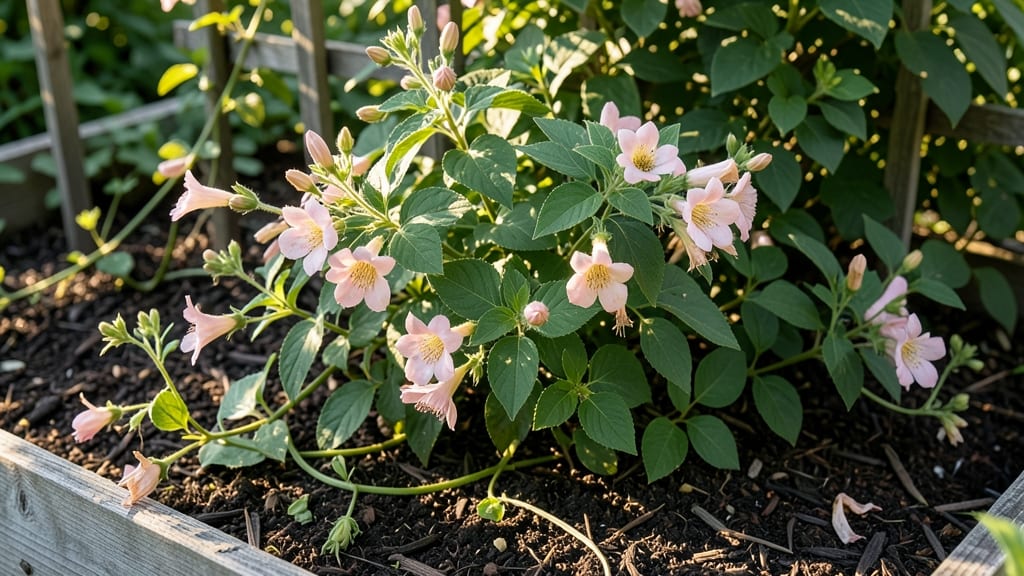
Whether honeysuckle blooms all summer depends on the variety: most repeat-blooming types like Lonicera sempervirens and Lonicera periclymenum produce flowers from early summer until frost, while others bloom only once per season. Deadheading spent blooms encourages prolonged flowering in reblooming varieties.
Honeysuckle's summer-long blooming isn't automatic—it's a trait tied to specific cultivars. 🌿 The reblooming varieties you see in gardens (like trumpet honeysuckle) have evolved to produce flowers on old wood, allowing multiple flushes. Single-blooming types, however, focus their energy on one spectacular show in spring or early summer.
What's fascinating is how climate plays a role: northern growers often get extended blooms through fall, while southern zones may see winter dormancy interrupt the display. The key difference lies in their bud formation patterns—rebloomers develop flowers along current season's growth, while once-bloomers rely on buds set the previous year.
For gardeners eager to maximize summer color, the solution is simple: prune strategically. Removing spent flowers (deadheading) redirects energy to new blooms, but timing matters—cut back after the first flush for rebloomers, while single-bloomers should be pruned in late winter.
I've found that adding a balanced fertilizer in early summer gives my honeysuckle that extra push to keep flowering until frost. The right care can turn a one-season show into a summer-long perfume festival.
💡 In This Article
- Reblooming Honeysuckle Varieties: Summer-Long Flowering Secrets
- Pruning and Care Tips for Extended Honeysuckle Blooms
Reblooming honeysuckle varieties: summer-long flowering secrets
The secret behind honeysuckle's summer-long blooms lies in its lateral bud formation. Reblooming varieties like Lonicera sempervirens (trumpet honeysuckle) produce flowers on current season's growth, while single-bloomers rely on buds formed the previous year.
This key difference means rebloomers can generate multiple flower flushes when conditions are right. The process involves axillary buds along stems developing into flowers after the first bloom cycle, creating that cascading effect we love. 🌸
Climate zones dramatically affect flowering duration. In USDA zones 5-7, rebloomers often flower from June through September, while in warmer zones 8-10, they may continue until frost. The perennial growth habit of varieties like Lonicera periclymenum allows them to push new growth and flowers throughout the season.
What's fascinating is how temperature triggers these cycles: cool nights after hot days signal buds to open, creating that staggered bloom pattern. Northern gardens typically get longer displays because cooler nights preserve flower buds longer.
Early-season bloomers (like Lonicera japonica) focus energy on spring flowers, while late-season types (such as Lonicera nitida) shine in summer/fall. The difference comes down to bud dormancy patterns—rebloomers have evolved to break dormancy multiple times per season.
This adaptation explains why you might see trumpet honeysuckle flowering in three distinct waves over summer, while other varieties produce just one spectacular show. The science here is similar to how some fruit trees produce multiple harvests by developing flowers on different wood types.
Light exposure plays a crucial role too. Reblooming varieties need at least 6 hours of sunlight daily to maintain vigorous growth and continuous flowering. In shaded conditions, plants may produce fewer flowers or bloom less prolifically.
The photosynthesis-fueled growth is what powers these repeated bloom cycles—more light means more energy for flower production. I've noticed my Lonicera sempervirens plants in full sun produce 20-30% more blooms than those in partial shade over the same period. 🌞
Soil moisture also influences flowering duration. Rebloomers need consistent moisture (about 1-1.5 inches per week) to prevent stress-induced dormancy. Too much water can cause root rot, while drought triggers early dormancy. The ideal balance keeps stems producing new growth capable of bearing flowers.
What's interesting is how some varieties like Lonicera periclymenum can tolerate slightly drier conditions while still reblooming, thanks to their deep root systems that access moisture from lower soil layers.
For gardeners in warmer climates (zones 8-10), winter dormancy can interrupt summer blooming. These varieties may need light winter pruning to remove dead wood while preserving flowering stems.
The key is understanding your specific variety's growth patterns—some need aggressive summer pruning to encourage new growth, while others respond better to minimal intervention. This nuance explains why your neighbor's honeysuckle might bloom all summer while yours doesn't—it could be as simple as different care requirements for the same species.