
Blooming
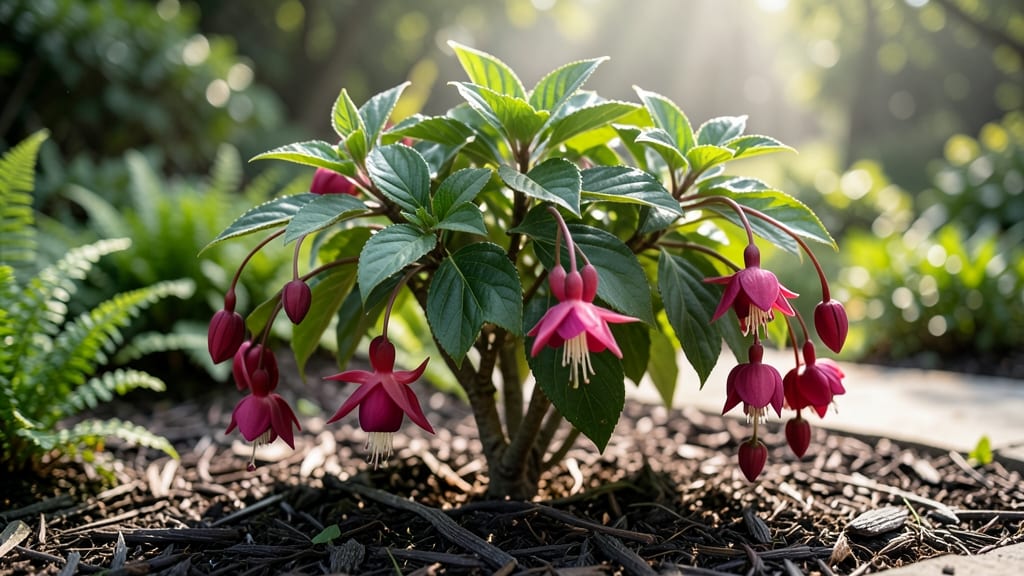
Fuchsias bloom all summer only when you deadhead spent blooms consistently and provide ideal growing conditions, though most varieties naturally produce flowers in cycles. Reblooming cultivars like 'Giant Marble' and 'Lady Bo-Peep' can extend flowering with proper maintenance, while tropical types may continue blooming year-round in warm climates.
Fuchsias are famous for their vibrant, continuous blooms—but only if you give them the right care. 🌸 The key is understanding their natural cycles: most varieties produce flowers in waves, with mid-summer often being a peak.
Deadheading (removing spent blooms) redirects the plant's energy toward new growth, while proper sunlight and moisture levels prevent stress that could trigger dormancy. Tropical fuchsias, like 'Sunset,' are the exceptions—they thrive in heat and can keep flowering if protected from extreme temperatures and given consistent watering.
What many gardeners overlook is that even reblooming varieties need a balanced approach. Overwatering or poor drainage can stunt growth, while too much shade reduces flower production. I've seen 'Lady Bo-Peep' plants double their blooming season just by moving them to a spot with morning sun and afternoon shade.
The secret isn't just the variety—it's creating the perfect environment for their specific needs.
💡 In This Article
- Why Most Fuchsias Stop Blooming Mid-Summer
- Top 3 Fuchsia Varieties That Bloom Nonstop (With Care Tips)
Why most fuchsias stop blooming mid-summer
Fuchsias follow a natural blooming rhythm tied to hormonal shifts and environmental cues. As summer progresses, many varieties experience a drop in flower production due to increased heat stress and reduced daylight intensity.
The plant's growth hormones—like auxins and gibberellins—shift focus from flowering to vegetative growth when temperatures exceed 80°F for prolonged periods. This is why you'll often see a mid-summer lull in blooming, even with regular deadheading.
The light spectrum plays a crucial role too. Fuchsias thrive in bright, indirect light but can become stressed under harsh midday sun, especially in southern climates.
Too much direct sunlight causes leaf scorch, which diverts energy away from flower production. 🌞 The ideal light balance is 4-6 hours of morning sun paired with afternoon shade—this mimics their native understory habitats in South America. Without this balance, the plant prioritizes survival over flowering.
Deadheading spent blooms is your best tool to encourage reblooming. When you remove faded flowers, you prevent the plant from setting seed and redirect its energy toward new buds. Studies show that consistent deadheading can extend the blooming season by 4-6 weeks in standard varieties.
The key is to pinch off blooms just above the first set of leaves to stimulate lateral growth. This technique works because it maintains a compact, bushy shape that maximates light exposure to all parts of the plant.
Pruning also influences blooming patterns. Light pruning in early summer encourages new growth that will flower later, while heavy pruning too late in the season can shock the plant and delay blooming.
The best approach is to prune one-third of the plant in late spring, then do light maintenance trims throughout summer. This keeps the plant healthy and ready to respond to your deadheading efforts.
Soil moisture and nutrition matter just as much. Fuchsias need consistently moist (but not soggy) soil with a pH between 5.5-6.5 to thrive. Overwatering or poor drainage can lead to root rot, which stresses the plant and triggers dormancy.
A balanced fertilizer with equal parts nitrogen, phosphorus, and potassium (like 10-10-10) applied every 4-6 weeks supports continuous blooming by providing the nutrients needed for flower production.
What most gardeners miss is that even reblooming varieties need a brief rest period. After 6-8 weeks of continuous blooming, the plant may need a short break to recharge.
During this time, reduce watering slightly and avoid heavy pruning. This reset allows the plant to build energy reserves for another round of blooms later in the season.