
Blooming
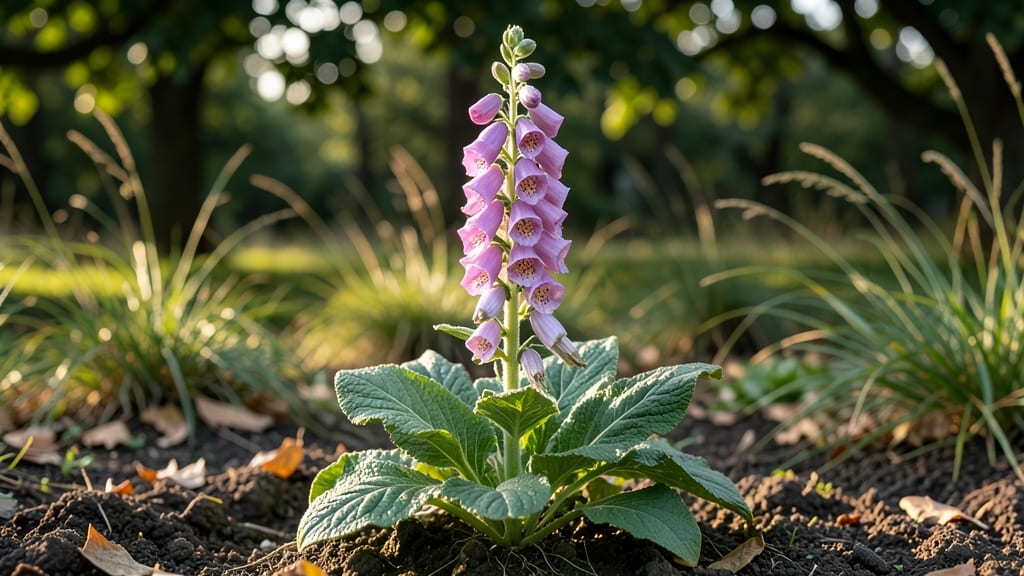
Foxglove does not bloom all summer naturally—most varieties produce a single flush of flowers in early to mid-summer before fading. However, deadheading spent blooms and selecting reblooming cultivars like 'Excelsior' or 'Hot Chocolate' can extend flowering into fall under ideal conditions.
Foxglove's natural blooming cycle is tied to its energy conservation strategy. 🌿 Most varieties focus their energy on producing one spectacular flower show in late spring to early summer, then shift resources to seed production. This is why you'll see those iconic bell-shaped blooms fade by midsummer unless you intervene.
Reblooming cultivars like 'Excelsior' are bred to break this pattern, but even they need proper care—think of it as giving your plant a second chance to shine.
To extend the blooming season, focus on two key strategies: removing spent flowers (deadheading) and providing balanced nutrients. 🌱 Deadheading prevents seed formation, which signals the plant to stop flowering. Meanwhile, a phosphorus-rich fertilizer supports flower production, while too much nitrogen promotes leafy growth at the expense of blooms.
I've found that consistent watering and partial shade in hot climates also help maintain those vibrant flowers longer.
💡 In This Article
- Why Foxglove Typically Blooms Once Per Season
- How to Encourage Extended Foxglove Blooms
Why foxglove typically blooms once per season
Foxglove's single-season blooming habit stems from its evolutionary survival strategy. These biennial plants (or short-lived perennials) allocate nearly all their energy to one dramatic flowering event in their first growing season, typically between May and July in temperate climates.
This burst of color serves a crucial purpose: attracting pollinators to fertilize flowers and produce seeds for the next generation. Once seed pods form, the plant's energy shifts completely to seed maturation, leaving no resources for new blooms.
The timing of this bloom is triggered by specific environmental cues. Foxglove responds to increasing daylight hours (photoperiodism) and warming temperatures after winter dormancy. The 14-16 hour daylight periods of late spring create the perfect signal for flower initiation.
What's fascinating is how the plant's internal clock—called the circadian rhythm—regulates this process at the molecular level through hormones like florigen. Once seeds develop, these same hormones shift production to support seed maturation rather than new flowers. 🌱
This single-flush blooming pattern isn't unique to foxglove—it's common among many biennials and short-lived perennials that prioritize reproductive success over extended display. The trade-off is stark: either produce stunning flowers for pollination or invest in seed production for future generations.
For gardeners, this means that without intervention, foxglove's iconic bell-shaped blooms in shades of pink, purple, and white will typically last only 4-6 weeks before fading completely.
Temperature plays a critical role in this cycle too. Foxglove thrives in USDA zones 4-8, where winter chilling (below 40°F) helps reset its biological clock for spring flowering. In warmer climates, this chilling requirement might not be met, leading to erratic blooming patterns or complete failure to flower.
The plant's native European habitat—cool, moist summers—explains why it struggles with prolonged heat and drought, both of which accelerate the shift from flowering to seed production.
There's also a fascinating chemical process at work. When foxglove flowers are pollinated, they begin producing ethylene gas—a plant hormone that triggers seed development. This same ethylene signal inhibits new flower buds from forming.
Deadheading (removing spent blooms) interrupts this ethylene production, which is why it's the most effective way to encourage secondary blooming. The plant essentially gets "tricked" into thinking it hasn't successfully reproduced, prompting it to try again. 💫
One common misconception is that foxglove's single blooming cycle is due to poor growing conditions. In reality, it's a hardwired survival mechanism. Even well-cared-for plants in ideal conditions will still follow this pattern unless you intervene with deadheading or choose reblooming cultivars.
This biological programming explains why foxglove's dramatic summer display has captivated gardeners for centuries—it's nature's way of creating a spectacular, if temporary, show to ensure species survival.