
Blooming
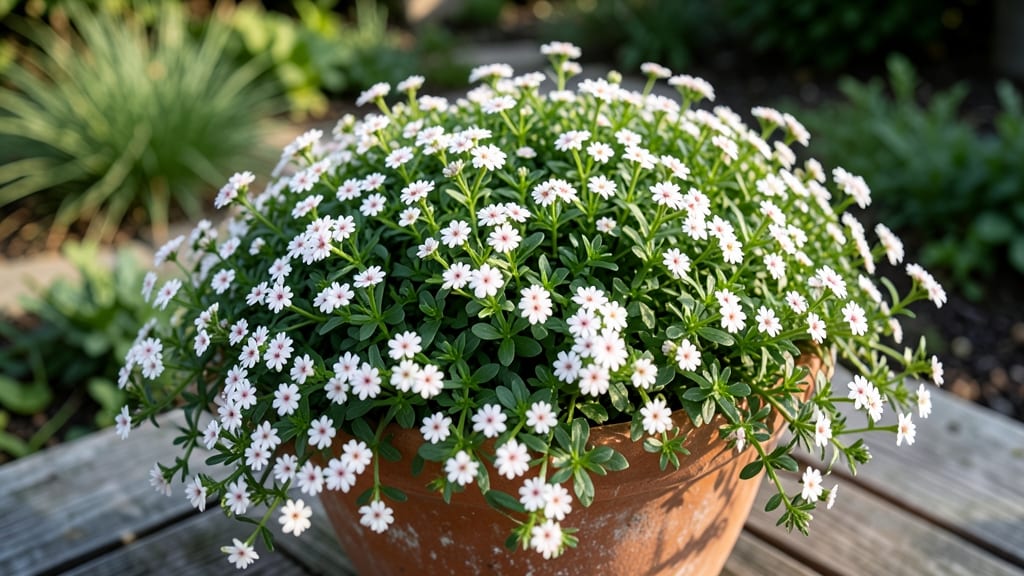
Alyssum does bloom all summer continuously in cooler regions, but most varieties will wilt and stop flowering when temperatures exceed 85°F (29°C) without proper shade or consistent watering. Annual alyssum responds well to deadheading for reblooming, while perennial types may enter dormancy in extreme heat unless grown in partial shade or cooler microclimates.
Alyssum's summer performance depends heavily on your climate and variety. Sweet alyssum (Lobularia maritima) thrives in coastal areas where breezes moderate heat, while golden alyssum (Alyssum saxatile) prefers alpine conditions and may struggle in southern heat.
The key to extending blooms is consistent moisture—drought stress causes buds to drop. 🌿 I've found that mulching around plants helps retain soil moisture, and morning watering prevents fungal issues from evening dampness.
Deadheading isn't just about looks—it's a survival tactic for annual alyssum. Pinching spent blooms encourages new growth, but don't overdo it in extreme heat. Perennial types often slow down naturally when temperatures exceed 90°F (32°C), so providing afternoon shade with lattice or taller plants can make a dramatic difference.
The right care turns what might seem like a summer limitation into a season-long display.
💡 In This Article
- Alyssum Heat Tolerance by Variety and Climate
- Deadheading and Care Tips for Year-Round Alyssum Blooms
Alyssum heat tolerance by variety and climate
Alyssum's summer performance hinges on its species and growing conditions. Sweet alyssum (Lobularia maritima), the most common type, thrives in USDA zones 7-10 but struggles when daytime temps exceed 85°F (29°C) for more than 3-4 days.
Its delicate flowers close in heat to conserve moisture, a survival mechanism that makes it appear dormant rather than dead. In contrast, golden alyssum (Alyssum saxatile) handles 90-95°F (32-35°C) better due to its thicker foliage, making it ideal for alpine gardens or high-desert regions where nights stay cool.
The science behind this difference lies in their native habitats.
Sweet alyssum evolved in Mediterranean coastal areas where breezes moderate temperatures, while golden alyssum comes from rocky alpine slopes where it experiences wide temperature swings. 🌡️ This explains why coastal gardeners often report continuous blooms year-round, while inland growers need afternoon shade.
Even a 20% reduction in sunlight intensity (achieved with 30% shade cloth) can extend blooming by 3-4 weeks in hot climates.
Regional microclimates play a surprising role too. In the Pacific Northwest, alyssum often blooms through summer thanks to ocean breezes that keep temps below 80°F (27°C). But just 50 miles inland, the same plants may wilt by July. The solution?
Plant alyssum near reflective surfaces like light-colored walls or mulch beds that bounce back 10-15% of sunlight, effectively lowering soil and air temperatures by 5-8°F (3-4°C). This passive cooling trick works especially well for container-grown alyssum.
What most gardeners overlook is the role of humidity. Alyssum in dry climates (like Arizona) needs 1-1.5 inches of water per week during heatwaves, while coastal varieties may only need 0.5 inches due to natural fog drip.
The key is morning watering—soaking the root zone before 10 AM prevents fungal issues while evening watering can scorch leaves in 90°F+ (32°C+) conditions. A soil moisture meter reading of 30-40% at 2-inch depth is ideal for continuous blooming.
For those in extreme heat zones (like Texas or Southern California), consider heat-tolerant alternatives like trailing lobelia or calibrachoa, which handle 100°F (38°C) with ease. But if you're committed to alyssum, interplanting with tall snapdragons or salvia creates natural shade while adding vertical interest.
The snapdragons' 36-inch height can reduce ground-level temps by 10°F (5°C) during peak afternoon hours.
One final pro tip: Choose white or pale pink varieties for summer planting—they reflect 15-20% more sunlight than deep purples, reducing heat absorption. This subtle color choice can mean the difference between continuous blooms and mid-summer burnout. 🌸