
Blooming
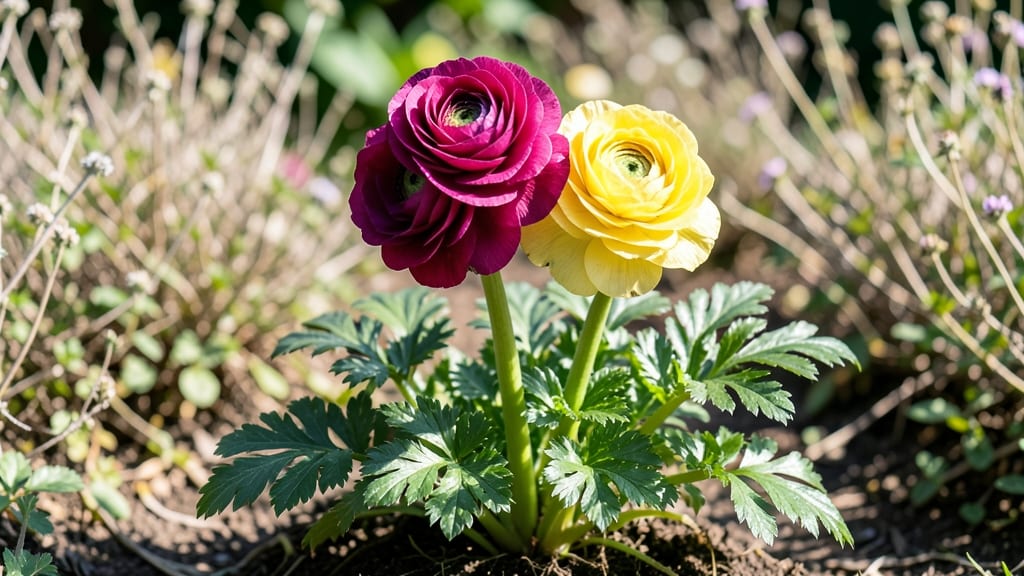
Ranunculus don't bloom all summer—they thrive in spring and early summer with peak flowering lasting 4-8 weeks, then naturally decline as temperatures rise. These cool-season perennials need consistent care to maximize their short bloom window.
Ranunculus are cool-season flowers that follow a predictable bloom cycle tied to temperature and daylight changes. 🌸 Their delicate petals respond to cooler weather, typically bursting into color when daytime highs stay between 50-75°F.
Once summer heat arrives—usually after 80°F—their growth slows, and blooms fade unless you take specific steps to support them. What's fascinating is how their dormancy period actually recharges their energy for next year's display, making proper summer care essential for future blooms.
This seasonal pattern explains why gardeners in warmer climates often see ranunculus as annuals—they simply can't survive the heat. In milder regions, though, they can return year after year if given the right conditions during their off-season.
The key is understanding when to push for extra blooms versus when to let them rest.
💡 In This Article
- Ranunculus Bloom Cycle: Seasonal Growth Patterns Explained
- Extending Ranunculus Blooms: Deadheading and Care Tips
Ranunculus bloom cycle: seasonal growth patterns explained
Ranunculus follow a precise biological clock tied to temperature and daylight, making them true cool-season performers. Their blooming window opens when average daytime temperatures hover between 50-75°F, typically aligning with spring's arrival and lasting until early summer.
This timing coincides with their natural growth cycle, where cooler weather triggers hormone production that stimulates bud formation. The process begins in late winter when bulbs (called corms) sense increasing daylight hours through a mechanism called photoperiodism, where light duration regulates their internal clock.
The magic happens when night temperatures dip below 60°F—this chilling period vernalizes the corms, breaking their dormancy and kickstarting growth. Each bloom cycle lasts about 4-8 weeks because ranunculus allocate their energy to producing flowers rather than foliage during this period.
Once temperatures consistently exceed 80°F, their metabolic processes slow dramatically, causing flowers to wilt and new buds to fail to open. This heat stress triggers a survival mechanism where the plant redirects resources to storing energy in the corms for next year's growth.
Daylight hours play a crucial role too—ranunculus need 12-14 hours of daylight to maintain active blooming. As summer progresses and days lengthen beyond this threshold, their flowering reflex shuts down. In northern climates, this happens around late June, while southern gardeners may see their ranunculus decline by May.
The plant's response to heat isn't just about temperature but also about the balance between light exposure and thermal stress, creating a perfect storm that ends their bloom season.
What's often misunderstood is that ranunculus aren't dying—they're simply entering a protective dormancy. Their leaves may yellow and stems collapse, but the corms remain viable underground, storing carbohydrates and nutrients. This dormancy period is essential for their survival, allowing them to "rest" and rebuild energy reserves.
Without this break, the plant would exhaust its resources and fail to produce the vibrant displays gardeners love each spring.
Geographic location dramatically affects bloom duration. In cooler maritime climates (like coastal Pacific Northwest), ranunculus might enjoy a 6-8 week bloom window, while inland areas with hotter summers typically see only 4-5 weeks of flowers. The contrast demonstrates how temperature gradients create these seasonal patterns.
Even in ideal conditions, ranunculus won't bloom continuously because their biological programming prioritizes reproductive success over extended flowering—nature's way of ensuring the next generation gets the best possible start.
Interestingly, some gardeners in mild climates report seeing a second, smaller flush of blooms in fall when temperatures dip again. This occurs because the corms sense the cooling trend and attempt to produce flowers before winter sets in.
However, these late-season blooms are typically fewer and less robust than spring's display, serving more as a biological insurance policy than a reliable extension of the main season.