
How To
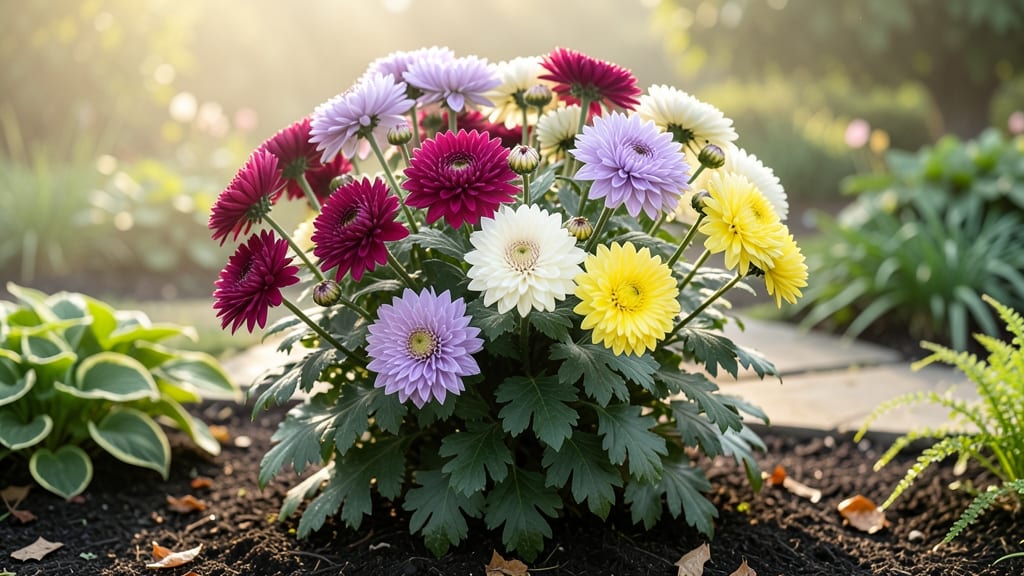
Mums bloom for 4 to 8 weeks during their peak season, which typically runs from early fall until the first frost. Removing spent blooms regularly and maintaining proper care can help extend their vibrant display.
Mums are at their most spectacular when they receive consistent care, especially during their 4- to 8-week bloom window.
The key to maximizing their lifespan lies in understanding their natural cycle—once temperatures drop below 50°F, their growth slows, and frost signals dormancy. 🌸 I've found that varieties like 'Autumn Joy' often push the upper limit of this range when given ideal conditions, while others may fade sooner if stressed by inconsistent watering or poor soil drainage.
The secret to prolonging their beauty isn't just about the blooms themselves but also about creating an environment where their roots stay healthy and hydrated.
What many gardeners don't realize is that mums are actually short-day plants, meaning their flowering is triggered by decreasing daylight hours. This biological quirk explains why they peak in fall rather than summer.
The 4- to 8-week window you see in most varieties is their natural response to these changing conditions, but with proper deadheading and care, you can coax them to last longer—sometimes even into early winter before frost sets in permanently.
💡 In This Article
- Factors Affecting Mum Flower Longevity
- Deadheading and Care Tips to Prolong Mum Blooms
Factors affecting mum flower longevity
Mums thrive in cooler temperatures, with their peak blooming period typically occurring when daytime highs range between 60-75°F and nights dip below 50°F. This temperature sweet spot triggers their natural flowering cycle, which is why they shine in fall gardens.
When temperatures climb above 80°F, however, the plants often go dormant prematurely, causing blooms to wilt faster. I've noticed this firsthand in hotter climates where mums might only last 3-4 weeks instead of the full 8-week window if not provided with afternoon shade.
Sunlight exposure plays a critical role too—mums need 6-8 hours of direct sun daily to produce abundant blooms, but too much intense afternoon sun can stress the petals, causing them to fade more quickly. The ideal balance creates sturdy stems and petals that resist wilting.
Humidity also matters: in dry conditions, petals may crisp at the edges, while high humidity can encourage fungal diseases like powdery mildew, which weakens the plant and shortens bloom time. 🌸 Proper airflow around the plants helps mitigate this risk.
Soil health is another game-changer. Mums prefer well-draining soil with a slightly acidic to neutral pH (6.0-7.0). Compacted or waterlogged soil starves roots of oxygen, leading to poor nutrient uptake and weaker blooms.
I've seen firsthand how amending soil with compost can extend bloom duration by 2-3 weeks by providing essential nutrients like phosphorus and potassium, which directly fuel flower production. A simple soil test can reveal deficiencies that might be cutting blooms short.
Watering habits also influence longevity. Overwatering causes root rot, while underwatering stresses the plant, both of which accelerate bloom decline. The key is consistent moisture—keeping soil evenly damp but not soggy. I recommend watering at the base in the morning to allow foliage to dry before evening, reducing disease risk.
Mulching with 2-3 inches of organic material helps retain moisture and regulate soil temperature, creating optimal growing conditions that support extended flowering.
Frost acts as the ultimate bloom regulator. When temperatures drop below 28°F, most mum varieties go dormant, and their vibrant petals turn brown within 24-48 hours. However, some hardy varieties like 'Autumn Joy' can tolerate brief frosts and may continue blooming until the first hard freeze.
Understanding your local frost dates helps plan care strategies—like deadheading spent blooms before frost to redirect energy to root development for next season.
Finally, variety matters. Some mums are bred specifically for longer bloom times, often lasting 6-8 weeks with proper care, while others may only flower for 3-4 weeks.
For example, 'Pocahontas' is known for its extended display, while 'Snowball' tends to be shorter-lived. Choosing varieties suited to your climate and care routine maximizes your bloom window.