
Blooming
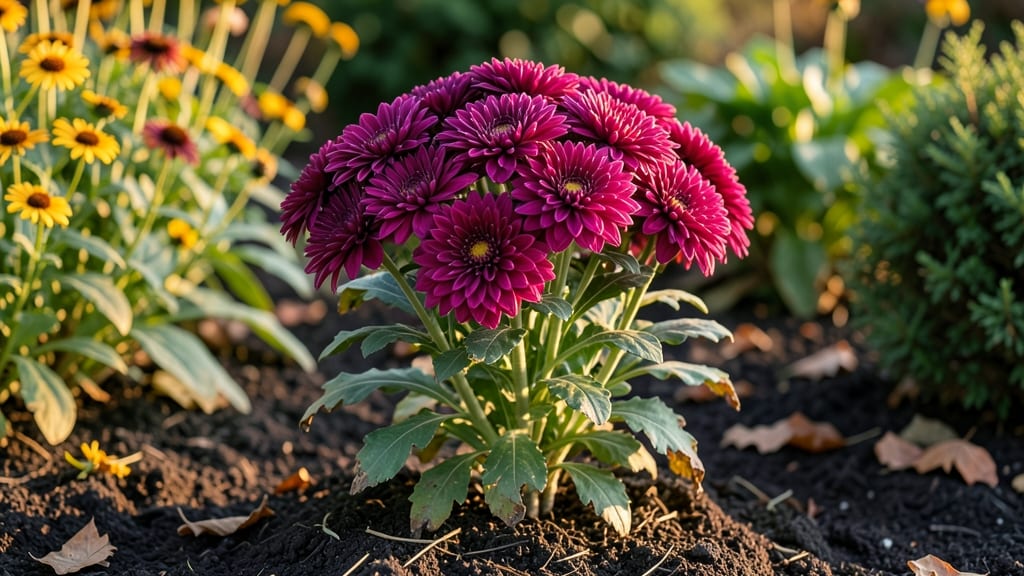
Mums (chrysanthemums) do not bloom in the spring; they typically flower in late summer to early fall, with proper care and deadheading extending their seasonal display. Spring is their dormant or early growth phase, requiring balanced sunlight and soil prep for fall blooms.
Mums (chrysanthemums) follow a seasonal rhythm where spring is all about root and leaf development—not blooms. 🌱 The key to their stunning fall displays starts in early spring with proper soil nutrition and pruning to encourage strong stems.
Many gardeners mistakenly expect spring flowers, but these plants are actually preparing for their peak season by storing energy for late summer blooms. Deadheading spent blooms in spring (if any appear) helps redirect energy toward root growth, setting the stage for the vibrant displays we love in autumn.
What makes this timing so important is how mums respond to daylight changes. As days shorten in late summer, they trigger flowering hormones that wouldn't activate in spring's longer daylight. This photoperiod sensitivity is why you'll rarely see mums blooming before August—it's simply not their natural cycle.
The good news? With the right spring care, you can ensure those fall blooms arrive bigger and more abundant than ever.
💡 In This Article
- Chrysanthemum Bloom Cycle: Why Fall Is Their Natural Season
- Spring Care Tips to Ensure Fall Mum Blooms
Chrysanthemum bloom cycle: why fall is their natural season
Chrysanthemums (mums) follow a biological clock tied to daylight hours—a process called photoperiodism. These plants require short days (less than 12 hours of sunlight) to trigger their flowering hormones, which explains why they bloom in fall rather than spring.
During spring and early summer, mums focus energy on leaf and root growth because the long daylight hours suppress their flowering instincts. This is why you'll see lush green foliage but few blooms during these months—nature's way of preparing for their peak season.
The temperature also plays a critical role. Mums need cool fall temperatures (50-65°F) to fully develop their buds, a process that simply doesn't occur in spring's warming climate. What's fascinating is how their buds form in late summer but remain dormant until the cooler weather arrives.
Think of it like a delayed-action mechanism: the plant stores energy all spring and summer, then "switches on" its floral genes when conditions are right in fall. This dual requirement of short days and cool nights creates their perfect blooming window.
Here's what's actually happening at the cellular level: When daylight shortens below 12 hours, a hormone called florigen is produced in the leaves and transported to the growing tips. This hormone initiates the formation of flower buds, a process that takes about 6-8 weeks to complete.
In spring, the long daylight hours prevent florigen production, keeping the plant in vegetative growth mode. It's like the plant is waiting for its biological "off-season" to begin its floral performance.
What most gardeners don't realize is that mums have two distinct growth phases: the vegetative phase (spring/summer) and the reproductive phase (fall/winter). During spring, their primary goal is to build strong root systems and sturdy stems capable of supporting heavy flower heads later.
This is why proper spring care—like balanced fertilization and adequate watering—is crucial for fall success. Without these foundational elements, the plant won't have the energy reserves needed for abundant blooming.
Consider this comparison: Spring-blooming plants like tulips or daffodils thrive in cool spring conditions and complete their life cycle before summer heat arrives. Mums do the opposite—they "wait" until fall to bloom, using the warm summer months to prepare.
This reverse timing is what makes them such reliable autumn performers when given the right growing conditions. The key takeaway is that their spring appearance is purposefully non-floral, setting the stage for their spectacular fall display.
One fascinating exception is the spring-blooming mum varieties, which have been selectively bred to flower in early spring. However, these are the exception rather than the rule—the majority of mums follow the traditional fall blooming pattern.
Even these spring-blooming types still benefit from the same spring care principles to ensure their secondary fall blooms.