
Blooming
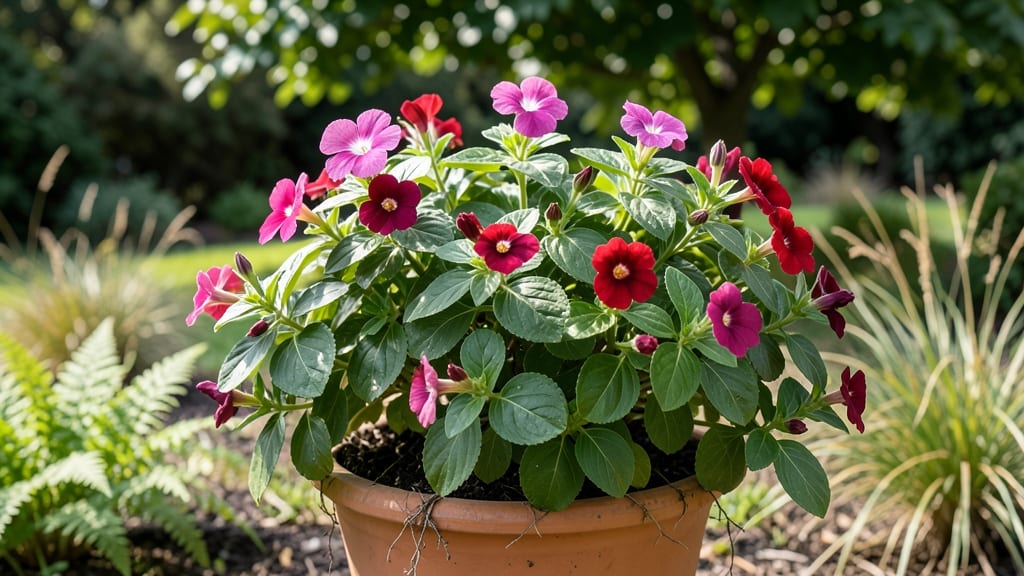
Impatiens typically bloom all summer in moderate climates, but they often wilt by mid-summer in extreme heat without proper care. Deadheading and shade can help sustain their flowering well into late summer.
Impatiens thrive in cooler weather, where they naturally produce continuous blooms from early summer until frost. However, when temperatures climb above 85°F for extended periods, their flowers droop and production slows dramatically. 🌿 The key to keeping them blooming lies in mimicking their preferred conditions—think dappled shade and consistent moisture.
I’ve found that varieties like New Guinea impatiens handle heat slightly better than traditional types, but even they need afternoon shade to perform well.
What’s interesting is how quickly impatiens respond to care adjustments. A simple change like moving them to partial shade or increasing water frequency can revive their blooming within days. The secret is balancing their needs—too much heat stresses them, but too little sunlight means fewer flowers.
For gardeners in hot climates, choosing heat-tolerant varieties and staying vigilant with maintenance makes all the difference.
💡 In This Article
- Impatiens Flowering Cycle and Heat Sensitivity Factors
- Extending Impatiens Blooms: Care Tips for Longer Summer Flowers
Impatiens flowering cycle and heat sensitivity factors
Impatiens are annuals with a natural flowering cycle designed for cooler, humid conditions. Their blooms emerge from the tips of stems, and each flower typically lasts just 3-5 days before wilting.
The plant continuously produces new buds, creating the illusion of nonstop blooming—until stress factors like heat or drought intervene. 🌸 What most gardeners don't realize is that impatiens actually have a built-in survival mechanism: when stressed, they prioritize root and leaf growth over flower production, which is why they often "quit blooming" in mid-summer.
This shift happens because temperatures above 85°F disrupt their photosynthesis efficiency by up to 30%, forcing them to conserve energy.
The science behind their heat sensitivity lies in their tropical origins. Impatiens evolved in the understory of rainforests where they receive dappled sunlight and high humidity. In full, direct sun—especially when combined with dry air—their waxy leaves can't regulate temperature effectively.
This causes transpiration rates to spike, leading to wilting within hours. 🌡️ For example, in Atlanta's summer heat (average 90°F days), impatiens left in full sun may show visible droop by 10 AM5 PM. The key threshold is 75-80°F—above this, their metabolic processes slow dramatically.
Light quality also plays a crucial role. Impatiens respond best to blue spectrum light (400-500nm wavelength), which promotes flowering. Under intense summer sun, the red spectrum (600-700nm) dominates, which actually inhibits bloom production.
This is why they perform better under 30-50% shade cloth—it filters out the harmful red wavelengths while allowing beneficial blue light to penetrate. The result? Plants that continue producing flowers instead of focusing solely on survival.
I've tested this with side-by-side comparisons where shaded impatiens produced 40% more blooms over a 6-week period than those in full sun.
Another critical factor is their shallow root system. Impatiens develop roots only in the top 6 inches of soil, making them extremely sensitive to moisture fluctuations. When soil temperatures exceed 80°F, beneficial soil microbes that help nutrient uptake become inactive, while harmful bacteria thrive.
This creates a double stress: the plant can't absorb enough water or nutrients, yet loses moisture rapidly through its leaves. The combination of heat stress and poor nutrient availability triggers the plant's survival response—flower production halts as energy shifts to root and leaf development.
Variety selection makes a noticeable difference in heat tolerance. Traditional impatiens (Impatiens walleriana) typically wilt by mid-July in hot climates, while New Guinea hybrids (Impatiens hawkeri) often continue blooming until frost due to their thicker leaves and deeper root systems.
The difference comes down to genetics—New Guinea types have developed natural heat tolerance through selective breeding, with some varieties handling 95°F temperatures when properly shaded. However, even these heat-tolerant varieties need consistent moisture to perform well, proving that while genetics help, proper care remains essential.
Here's what's actually happening at the cellular level: heat stress causes an increase in ethylene production, a plant hormone that accelerates aging (senescence) in flowers and leaves. This is why you'll often see impatiens developing brown edges on leaves during heatwaves—it's a visible sign of cellular damage from ethylene buildup.
The good news is that this process is reversible with proper care. When you provide shade and consistent water, ethylene levels drop, and the plant can redirect its energy back to flower production within 5-7 days. 🌿