
Blooming
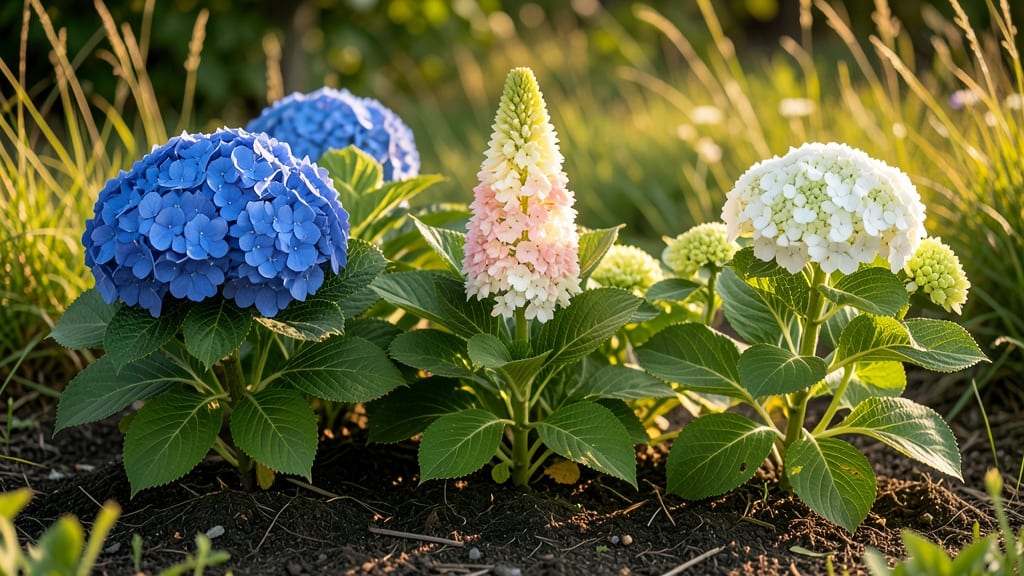
Hydrangeas don't bloom all summer—unless you're growing the right varieties. 🌸 The secret lies in choosing heat-resistant types like 'Endless Summer' or 'Limelight,' which produce flowers on new wood and keep blooming from early summer through fall.
Most hydrangeas follow the old-wood rule: blooms appear on last year's growth, meaning they're done by mid-summer. But new-wood varieties like 'Nikko Blue' or 'Annabelle' thrive in heat and reward you with continuous color. The trick is pruning at the right time—after blooming, not in early spring—to encourage fresh growth.
With proper care, you'll enjoy vibrant clusters from June through October, even in hot climates. Mulch to retain moisture, prune strategically, and feed with balanced fertilizer to keep those blooms coming. The payoff? A garden that stays lush and colorful long after other plants fade.
Works for backyard gardens, containers, or even hanging baskets. Here's how to pick the perfect variety for your summer heat—no wilting in sight!
Why Blooms Fade Fast
Hydrangeas are famous for their long-lasting blooms, but many varieties don’t stay vibrant all summer—here’s why they sometimes fizzle out early:
Hydrangeas are sensitive to cold, especially when buds form in late winter or early spring. If a late frost hits after buds swell but before blooming, they’ll blacken and drop.
Even cooler-than-expected spring nights can slow growth, delaying or stunting flower production. Actionable fix: Plant in sheltered spots, use frost cloths, or choose cold-hardy varieties like ‘Endless Summer’ or ‘Annabelle’.
Most hydrangeas thrive in partial shade (morning sun + afternoon shade). Too much direct sun (especially in hot climates) causes buds to dry out or drop prematurely.
Conversely, deep shade (like under dense trees) weakens stems and reduces flowering. Actionable fix: - Sun-loving varieties (e.g., ‘Limelight’) need afternoon shade in Zone 8+. - Shade-tolerant picks (e.g., ‘Nikko Blue’) handle dappled light better. - Mulch (2–3 inches of organic matter) keeps roots cool.
Hydrangeas are thirsty but hate soggy roots.
Overwatering leads to root rot, while drought stress causes buds to abort. Key triggers: - Newly planted hydrangeas need 1–1.5 inches of water weekly (more in containers). - Established plants still need deep watering 2–3x/week in summer. - Flowering stress: Buds form on old wood (previous year’s growth), so inconsistent watering in late summer can ruin next year’s blooms. Actionable fix: Use drip irrigation or soaker hoses to deliver water at the base, avoiding wetting leaves (which promotes fungal diseases).
Hydrangeas need balanced nutrients, but too much (or the wrong kind) backfires:
- Nitrogen-heavy fertilizers (like lawn food) produce lush leaves but fewer flowers.
- Phosphorus deficiency (critical for blooms) shows as small, sparse flowers.
- Potassium shortages lead to weak stems and early bud drop.
Actionable fix:
- Test soil pH (hydrangeas prefer 5.2–6.2 for blue flowers, 6.0+ for pink).
- Use a balanced 10-10-10 fertilizer in early spring and late summer (when buds form).
- Avoid high-nitrogen feeds after mid-summer.
Aphids, spider mites, and fungal diseases (like powdery mildew or leaf spot) sap energy from hydrangeas, diverting resources away from flowers. Signs to watch for:
- Sticky leaves (aphid honeydew).
- Yellowing or curled leaves (mites or fungal infection).
- Blackened buds (botrytis blight, common in humid weather).
Actionable fix:
- Prevent pests with neem oil sprays (early season).
- Improve airflow by pruning crowded branches.
- Remove diseased leaves promptly to stop spread.
Hydrangeas bloom on either old wood (previous year’s growth) or new wood (current year’s growth), and pruning mistakes can cut off next year’s flowers:
- Old-wood bloomers (e.g., ‘Bigleaf’ hydrangeas) should never be pruned after mid-summer—buds form in late summer/fall!
- New-wood bloomers (e.g., ‘Panicle’ or ‘Smooth’ hydrangeas) can be pruned in late winter/early spring.
Actionable fix:
- Label your plants to track blooming habits.
- Wait until late winter (before buds swell) to prune old-wood types.
- Deadhead spent blooms (but leave seed heads for winter interest).
Hydrangeas wilt in extreme heat (above 90°F/32°C), especially in low-humidity areas.
Buds may form but abort due to stress. Varieties like ‘Limelight’ handle heat better than traditional types. Actionable fix: - Mulch heavily (4+ inches) to retain moisture. - Provide afternoon shade with lightweight shade cloth (30–50% coverage). - Group plants together to create a microclimate with higher humidity.
Revive & Extend Blooms Naturally
Got hydrangeas that refuse to cooperate with summer’s heat? Don’t panic—these practical fixes will help you coax those gorgeous blooms back into action and keep them thriving for months. Below, we’ve matched common causes to simple, science-backed solutions, plus prevention tips to avoid future disappointments.
Signs: Wilting leaves, crispy edges, or flowers that drop prematurely.
Fix It:
- 🌿 Provide afternoon shade – Use a sheer fabric shade cloth (30-50% coverage) or plant them where they get morning sun + afternoon shade. Hydrangeas hate scorching midday rays!
- 💦 Deep watering – Soak the roots 1-2 times per week (check soil moisture 2 inches down—it should feel damp, not soggy). Early morning or late evening watering prevents evaporation.
- 🧊 Mulch like a pro – Spread 3-4 inches of organic mulch (straw, wood chips, or pine needles) around the base (but not touching the stems). This keeps roots cool and retains moisture.
Prevention Tip: 🌡️ Avoid planting heat-sensitive varieties (like Hydrangea macrophylla) in sweltering zones. Opt for heat-tolerant types (see our guide on resilient varieties!).
Signs: Yellowing leaves, drooping blooms, or roots that smell rotten.
Fix It:
- 🔍 Check soil drainage – If water pools after rain, amend the soil with perlite or sand to improve airflow. Hydrangeas hate “wet feet” but also hate drought stress.
- 👨🍳 Adjust your watering routine –
- Drought? Water deeply every 2-3 days (adjust based on heat).
- Overwatered? Let the top inch of soil dry out between waterings, then soak thoroughly.
- 🌧️ Collect rainwater – It’s naturally soft and won’t alter soil pH as much as tap water (which can affect bloom color!).
Pro Tip: ✨ Use a moisture meter ($10 at garden stores) to avoid guesswork—stick it in the soil for instant readings!
Signs: White powdery spots, blackened stems, or mushy leaves.
Fix It:
- 🧹 Prune infected parts – Snip off any black, brown, or moldy areas with sterilized shears (wipe with rubbing alcohol). Dispose of clippings in the trash, not the compost.
- 🌿 Improve airflow – Space plants 3-4 feet apart and avoid overcrowding. Trim nearby bushes or trees that block circulation.
- 💊 Apply fungicide – Use a copper-based spray or neem oil (mix 1 tbsp neem oil + 1 tsp mild soap + 1 quart water). Spray every 7-10 days until the issue clears.
Prevention Tip: 💡 Water at the base (not overhead) to keep leaves dry—fungi love damp foliage!
Signs: Flowers fade fast, leaves scorch, or growth stalls in summer.
Fix It:
- 🌿 Switch to heat-resistant hydrangeas – Try these summer-blooming superstars:
- Panicled Hydrangeas (Hydrangea paniculata) – Thrives in heat, blooms July to frost (e.g., ‘Limelight’, ‘Little Lime’).
- Oakleaf Hydrangeas (Hydrangea quercifolia) – Handles humidity and heat better than macrophyllas.
- Smooth Hydrangeas (Hydrangea arborescens) – ‘Annabelle’ blooms June to September and tolerates drought.
- 🛒 Buy from local nurseries – Ask for varieties proven to grow in your hardiness zone (Zone 5+ for most heat-lovers).
Pro Tip: 🌡️ Test your microclimate – Some spots in your yard may stay cooler (e.g., near a north-facing wall). Move potted hydrangeas to shadier areas during peak heat.
Signs: Roots circling the pot, slow growth, or flowers wilting quickly.
Fix It:
- 🔄 Repot every 2-3 years – Choose a container 1-2 inches larger with drainage holes. Use well-draining potting mix (add perlite or orchid bark).
- 🌱 Fertilize smartly – Switch to a balanced, slow-release fertilizer (10-10-10) in spring, then low-phosphorus feed (like 5-10-5) in summer to encourage blooms, not leaves.
- 💧 Move pots to shade – If outdoor temps hit 90°F+, bring potted hydrangeas under a covered patio or shade structure.
Prevention Tip: 🎯 Use self-watering pots in extreme heat to avoid missed waterings!
Final Reminder: 🌸 Patience is key! Hydrangeas may take 4-6 weeks to bounce back after stress. Stick with the fixes, and you’ll enjoy longer, lusher blooms—even in summer’s peak.
Frequently asked questions
What’s the difference between old-wood and new-wood hydrangeas?
Old-wood types (like Bigleaf varieties) bloom on stems from last year, so pruning after summer removes next year’s flowers. New-wood varieties (like ‘Endless Summer’ or ‘Limelight’) bloom on current year’s growth, making them perfect for summer-long color. Always prune old-wood types in late winter, never after mid-summer!
Can I get hydrangeas to rebloom after cutting them?
Yes! For new-wood bloomers, cut back stems by ⅓ in early spring to encourage fresh growth. For old-wood types, only remove dead or weak stems—never cut healthy growth. Deadheading spent blooms (but leaving seed heads) can also prompt a second flush in some varieties.
Why do my hydrangea blooms turn brown and crispy?
This usually means too much sun or underwatering. Hydrangeas need morning sun + afternoon shade in hot climates. Check soil moisture—roots should stay consistently damp (not soggy). Mulch heavily (3-4 inches) to retain moisture and protect from heat stress.
How do I change my hydrangea flower color?
Add aluminum sulfate (for blue) or lime (for pink) to the soil in spring. Test soil pH first—5.2–6.2 gives blue, 6.0+ gives pink. Results take 4-6 weeks and work best on Bigleaf varieties. Avoid overdoing it—extreme pH shifts can stress plants.
Are there hydrangeas that bloom in containers all summer?
Try ‘Little Lime’ (Panicled) or ‘Annabelle’ (Smooth)—both thrive in pots and bloom June to frost. Use well-draining mix with perlite, water daily in heat, and move containers to shade during 90°F+ days. Self-watering pots help prevent drought stress.