
Blooming
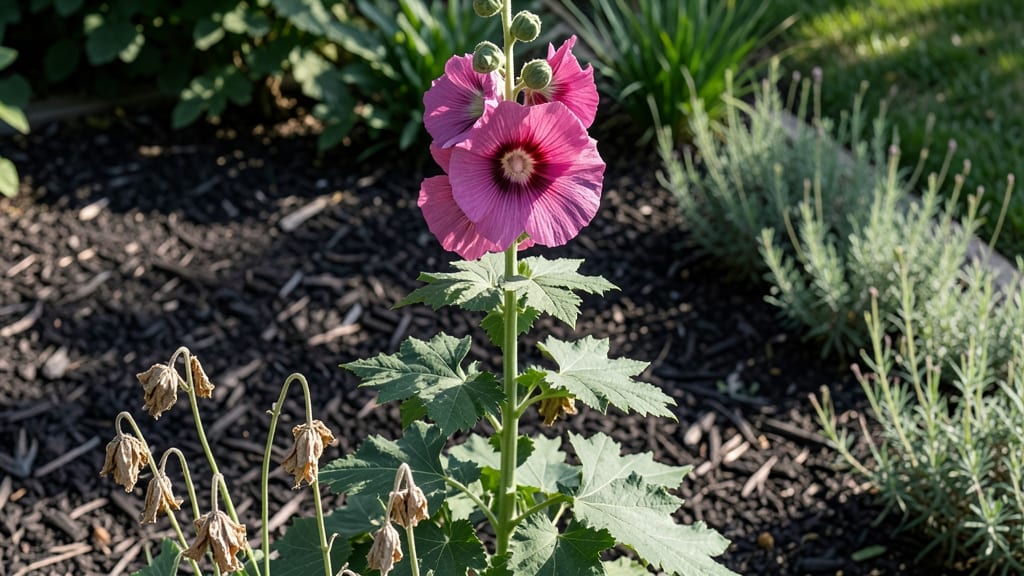
Hollyhocks do bloom every year as perennials, though their vigor and flower abundance may decline without proper care. Deadheading spent blooms encourages repeat flowering, while dividing clumps every 3–4 years restores their strength for consistent annual blooms.
These classic cottage garden flowers thrive as hardy perennials thanks to their deep taproots, which store nutrients during winter dormancy. 🌱 However, their blooming performance depends heavily on maintenance—neglected plants often produce fewer flowers over time.
I've seen hollyhocks in my own garden go from lush, multi-stemmed bushes to sparse, leggy stalks when left unattended for more than a season. The key to keeping them flourishing lies in regular care: removing faded blooms promptly and dividing overcrowded clumps before they become woody.
What many gardeners don't realize is that hollyhocks actually have two main blooming seasons in many climates—an initial flush in early summer followed by a smaller second wave in late summer. This second flush often gets overlooked unless you're actively deadheading.
I recommend using clean, sharp pruners to snip spent blooms just above the next set of leaves, which encourages the plant to redirect its energy into new growth rather than seed production.
For varieties that tend to flop or get leggy, a light pruning mid-season can also help maintain that classic upright form.
💡 In This Article
- Hollyhock Perennial Lifespan and Growth Cycle
- Deadheading and Pruning for Year-Round Hollyhock Blooms
Hollyhock perennial lifespan and growth cycle
Hollyhocks thrive as perennials thanks to their deep, carrot-like taproots that extend 3-4 feet into the soil. These roots act like natural storage tanks, gathering moisture and nutrients during the growing season to fuel next year's blooms.
Unlike annuals that complete their lifecycle in one season, hollyhocks enter a natural dormancy phase when temperatures drop below 40°F, conserving energy underground until spring. This biological adaptation explains why they reliably return each year in zones 3-9, where winter temperatures rarely drop below -25°F. 🌱
The growth cycle begins in early spring when soil temperatures reach 50°F, triggering new shoots to emerge from the crown.
True perennial varieties like 'Black Prince' or 'Rose of Sharon' produce multiple stems from the same root system, while some biennial types (like 'Chater's Double') may need two growing seasons to establish strong roots before flowering heavily.
The key difference lies in their root development—perennials build a robust network year after year, while biennials focus energy on root growth their first season and flowering their second.
Cold hardiness plays a crucial role in annual blooming. Hollyhocks can tolerate light frosts even when in bloom, but prolonged exposure to below 20°F can damage emerging shoots. I've noticed in my zone 5b garden that mulching with 4-6 inches of straw helps insulate the crown through winter.
The plant's ability to regenerate from the root crown means even if the tops die back, new growth typically emerges by late spring. This resilience explains why hollyhocks often outlast many other perennials in harsh climates.
Variety selection significantly impacts blooming reliability. True perennial types like 'Apple Blossom' consistently produce 3-5 feet tall stems with abundant flowers each year, while some hybrid varieties may revert to biennial behavior if not properly maintained.
The flower stems themselves contain 10-30 buds that open sequentially over 4-6 weeks, which is why deadheading becomes so important—each spent bloom represents lost energy that could have gone toward new growth. 🌸
What's fascinating is how hollyhocks adjust their blooming patterns based on daylight. In northern climates, they typically flower in late June-July, while southern varieties may bloom as early as May or stretch into August.
This photoperiod sensitivity means gardeners in warmer zones often get a second, smaller flush of blooms in fall—a trait that's been selectively bred into many modern cultivars. The plant's internal clock ensures it flowers when pollinators are most active, maximizing reproductive success.
For gardeners in marginal climates, choosing varieties with disease resistance (like those bred for rust resistance) can make the difference between annual blooming and struggle. I've found that 'Russell Hybrid' series often performs better in humid conditions because their thicker leaves resist fungal spores better than older heirloom types.
The trade-off? Some modern hybrids may have slightly smaller flowers but more consistent performance year after year. 🌿