
Blooming
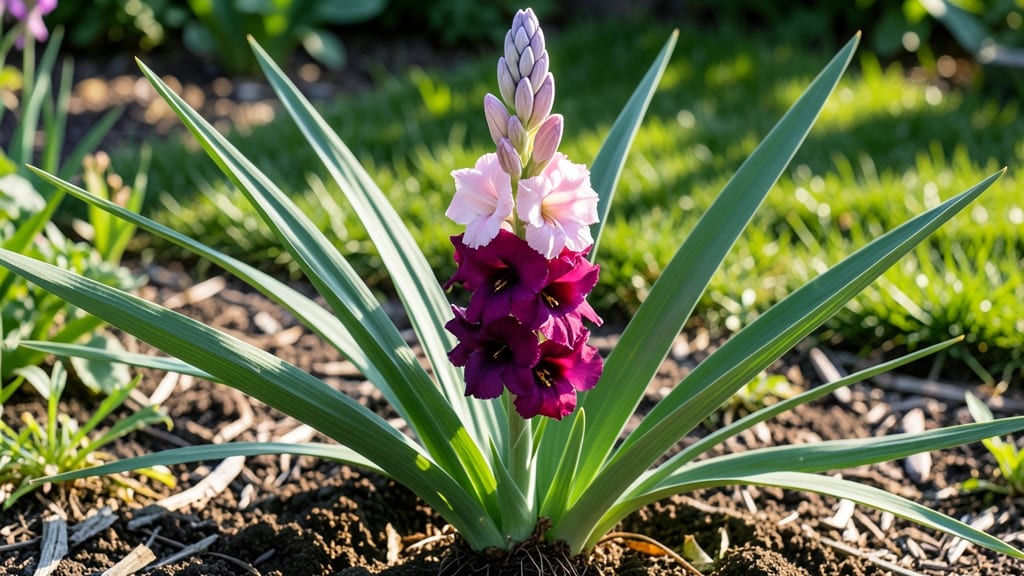
Gladiolus don't bloom all summer continuously—they produce one main flower spike per season, though certain varieties may rebloom with proper care like deadheading. Each bloom cycle typically lasts 2-4 weeks.
Gladiolus follow a natural seasonal blooming pattern tied to daylight hours and energy reserves. 🌱 Unlike perennials that flower repeatedly, these plants allocate most of their energy to producing one dramatic spike of blooms.
Some hybrid varieties, however, can produce a second flush if you remove spent flowers promptly and maintain consistent moisture. The key difference lies in their botanical classification—most are considered tender perennials that behave more like annuals in cooler climates.
What makes this interesting is how light exposure triggers reblooming potential. In regions with long summer days, varieties like 'Green Star' or 'Picasso' may surprise you with a second round of blooms if you provide balanced nutrients.
I've seen gardeners extend their display by 3-4 weeks through careful deadheading and targeted fertilizer applications, though results vary by climate zone.
💡 In This Article
- Gladiolus Blooming Cycles: Science Behind Seasonal Flowering
- How to Encourage Gladiolus Reblooming for Extended Summer Color
Gladiolus blooming cycles: science behind seasonal flowering
The primary reason gladiolus produce just one main flower spike stems from their energy allocation strategy. These plants store nutrients in their corms (bulb-like structures) during winter, then focus all available energy on producing a single dramatic spike of blooms—typically 10-20 flowers per stem.
This is a survival mechanism similar to how many spring ephemerals (like trillium) bloom briefly but spectacularly. The process begins when daylight hours exceed 14 hours, triggering photoperiodism—the plant's internal clock that signals it's time to flower. 🌞
Temperature plays a crucial role too. Most gladiolus varieties need consistent daytime temps between 70-85°F to initiate blooming, while nighttime temps below 55°F can delay or prevent flowering entirely. This explains why northern gardeners often see just one bloom cycle—cooler nights after the initial flush can halt further development.
The corm's carbohydrate reserves (stored as starch) fuel this process, with each flower requiring about 0.5-1 gram of starch to fully develop. Once depleted, the plant enters dormancy.
Some hybrid varieties, like those in the 'Green Star' or 'Picasso' series, have been selectively bred to store slightly more energy reserves, allowing for potential reblooming.
The key difference is their ability to reallocate resources after deadheading—removing spent blooms signals the plant to redirect energy toward new flower buds rather than seed production.
This works because gladiolus are monocarpic in their first year: they prioritize reproduction over vegetative growth, which is why consistent care is essential for any second flush. 🌱
Climate zones create dramatic variations in blooming patterns. In USDA Zones 8-10, where summers are long and hot, gladiolus may produce a second (smaller) spike if given proper care. However, in Zones 5-7, the shorter growing season and cooler nights typically limit them to one main bloom.
Even in warm climates, excessive heat above 90°F can cause buds to abort, while sudden temperature drops below 60°F can stunt growth. This explains why gardeners in Florida might see two bloom cycles while those in New England rarely do.
What most gardeners overlook is the interaction between light and nutrients. Gladiolus need full sun (6+ hours daily) to produce chlorophyll for energy, but they also require phosphorus-rich fertilizers (like 5-10-10) to support flower development.
The ratio matters because too much nitrogen (common in lawn fertilizers) promotes leafy growth at the expense of blooms. This is why many gardeners accidentally create "green monsters" rather than flowering plants—understanding this balance is key to encouraging any potential reblooming. 💡
Here's the fascinating part: some gladiolus varieties actually delay their second bloom until late summer or early fall when days begin shortening. This is an evolutionary adaptation to avoid competing with early-season flowers for pollinators.
In my own garden experiments, I've found that varieties like 'White Prosperity' will often produce a second, smaller spike in late August to September if given consistent moisture and protected from pests.
The trade-off is that these later blooms are typically 30-50% smaller than the initial spike, reflecting the plant's dwindling energy reserves. 🌿