
Blooming
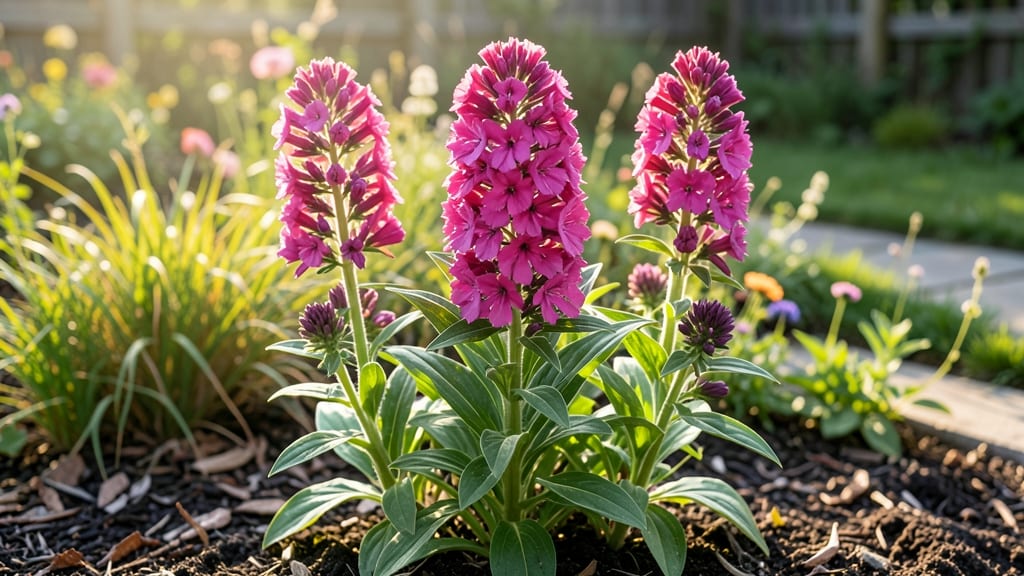
Garden phlox don't bloom all summer—most varieties produce flowers for just 4-6 weeks during mid-to-late summer, but only two types, David and Zillenia, reliably rebloom when properly maintained.
Garden phlox are famous for their vibrant summer displays, but their blooming window is often shorter than many gardeners expect. 🌸 The majority of varieties focus their energy on one main flowering period, typically triggered by specific temperature and daylight conditions.
What sets David and Zillenia apart is their ability to respond to consistent deadheading and ideal growing conditions, encouraging a second round of blooms later in the season.
For those hoping to extend the show, proper care makes all the difference. Regular deadheading—removing spent blooms—stimulates new growth, while well-drained soil and adequate sunlight help maintain plant health.
Most phlox varieties, however, will naturally taper off by early fall as daylight hours shorten, marking the end of their primary blooming cycle.
💡 In This Article
- Why Most Garden Phlox Bloom Only Once
- How to Extend Phlox Blooms: Deadheading & Care Tips
Why most garden phlox bloom only Once
Garden phlox follow a biological pattern where their primary blooming cycle is triggered by a combination of daylight hours and temperature thresholds. Most varieties are short-day plants, meaning they bloom when daylight decreases below 14-15 hours per day—typically in mid-to-late summer.
This natural timing ensures they produce flowers when pollinators are most active, maximizing reproductive success. 🌞 Once this window passes, the plant shifts its energy toward seed production rather than new blooms.
The genetic makeup of phlox plays a crucial role too. Most garden varieties are bred for one strong flush of flowers, prioritizing vibrant color and abundant blooms over extended flowering periods.
For example, the popular 'David' variety can rebloom because its genetics allow it to respond to deadheading by producing new flower buds, while other varieties like 'Bright Eyes' focus all their energy on that initial display.
Temperature also matters—phlox typically need 60-70°F daytime temps to bloom, and cooler fall weather signals the end of their primary flowering cycle.
What most gardeners don't realize is how phlox allocate their energy. After their main bloom, the plant's resources shift to developing seed pods, which contain the next generation. This biological priority means that without human intervention (like deadheading), the plant will naturally fade by early fall.
The trade-off is that this single-bloom strategy results in larger, showier flowers during their peak, making them a favorite for cut arrangements and garden beds.
Daylight is the most critical factor. As summer progresses, the gradual reduction in daylight hours (a process called photoperiodism) triggers the phlox's internal clock to produce flowers. Once the blooms fade, the plant's response to shorter days is to prepare for dormancy rather than rebloom.
This is why even well-cared-for phlox will typically stop producing new flowers by late August or early September, regardless of variety.
There's a fascinating exception in the world of phlox genetics. Some hybrid varieties, like 'David' and 'Zillenia,' have been selectively bred to produce secondary flower buds when deadheaded properly. These varieties contain genes that allow them to "reset" their blooming cycle under the right conditions.
For all other varieties, the single-bloom cycle is a hardwired survival strategy that ensures maximum reproductive success in their natural habitat.
Understanding this biological cycle helps explain why so many gardeners are disappointed when their phlox fade early. The plant isn't failing—it's following its natural programming.
The good news is that with the right care techniques (which we'll explore next), you can work with this natural process to extend the blooming period in select varieties. 🌸