
Blooming
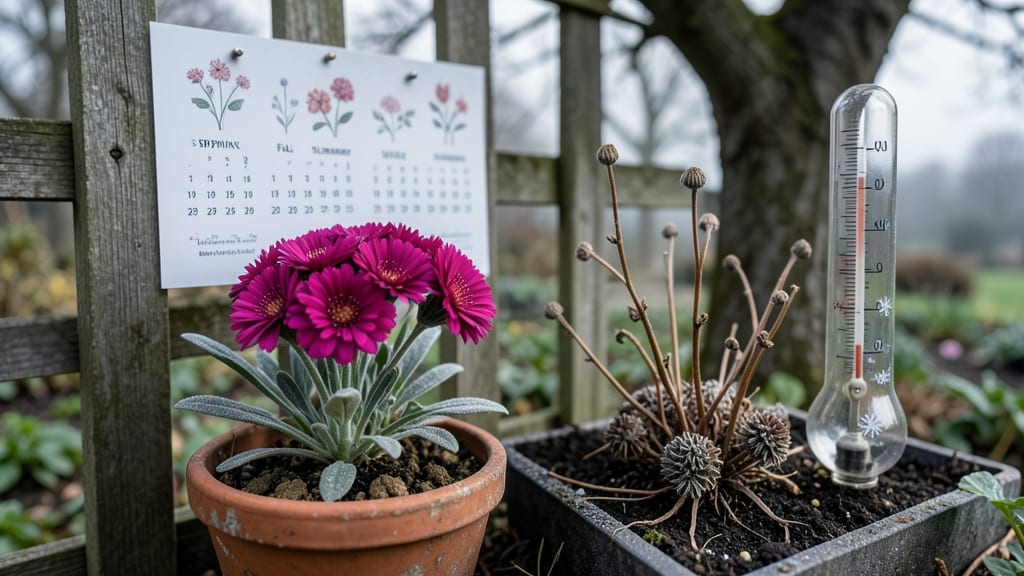
Dianthus do not bloom all year, but their flowering periods vary by variety—perennial types bloom spring to fall, while annuals may flower continuously if deadheaded. Cold-hardy varieties extend blooms into early winter in mild climates, but dormancy or seasonal stress typically halts flowering in winter months.
Dianthus flowering depends heavily on their type and growing conditions.
Perennial varieties typically thrive in spring and summer, while some annual types can keep blooming all season long with proper care. 🌸 The key to extending their bloom time lies in understanding their natural cycles—many dianthus enter dormancy during colder months, especially in regions with harsh winters.
Even cold-hardy types may slow down or stop flowering when temperatures drop, though they often rebound beautifully once spring arrives.
For gardeners in milder climates, winter blooms are possible with the right protection, like mulching or covering plants during frost. Annual dianthus, on the other hand, can be coaxed into longer blooming by removing spent flowers regularly—a process called deadheading.
This simple technique encourages new growth and keeps the plants producing fresh blooms throughout their growing season.
💡 In This Article
- Dianthus Flowering Seasons by Variety and Climate
- Extending Dianthus Blooms: Pruning and Care Tips
Dianthus flowering seasons by variety and climate
Dianthus flowering cycles are primarily governed by their biological classification and environmental triggers. Perennial dianthus, like Dianthus gratianopolitanus (commonly called "carnation"), typically follow a spring-to-fall bloom pattern, with peak production during May through September in USDA zones 4-9.
This timing aligns with their natural photoperiod response—longer daylight hours stimulate flowering, while shorter winter days trigger dormancy. Annual varieties, such as Dianthus chinensis, can bloom continuously from spring until frost if given consistent care, as they lack the dormancy mechanisms of perennials.
The USDA climate zones play a critical role in determining bloom duration. In zones 3-5, where winters are harsh, most dianthus varieties enter dormancy by late October and may not resume flowering until late April or May—a delay caused by frost sensitivity and reduced daylight.
Conversely, in zones 8-10, mild winters allow some cold-hardy types (like Dianthus barbatus) to produce sporadic blooms even in December or January, though these are often less abundant due to seasonal stress.
Heat tolerance also varies: varieties like Dianthus caryophyllus may struggle in zones 10+ during summer, where temperatures above 90°F can cause buds to drop.
Evergreen dianthus, such as Dianthus deltoides, exhibit a unique adaptation—they retain foliage year-round but still follow seasonal bloom patterns. Their evergreen nature doesn’t mean continuous flowering; instead, they conserve energy to produce shorter, more concentrated bloom periods in spring and fall.
Deciduous types, like Dianthus superbus, shed leaves in winter and rely entirely on stored energy to fuel their spring rebloom. This energy storage is why proper soil nutrition (e.g., balanced 10-10-10 fertilizer in early spring) directly impacts bloom intensity.
Frost sensitivity is a major factor in winter blooming. Even cold-hardy varieties may produce fewer, smaller flowers in winter if temperatures dip below 20°F. For example, Dianthus 'Firewitch' in zone 5 might bloom sporadically in December but will shut down completely if hit by a -10°F freeze.
The science behind this lies in abscisic acid, a plant hormone that triggers dormancy in response to cold stress. Mulching with 3-4 inches of straw or wood chips can mitigate this by insulating roots and maintaining soil temperatures above 32°F.
Daylength also influences bloom timing. Short-day plants (like Dianthus chinensis) require 12-14 hours of darkness to flower, which explains why they bloom prolifically in summer but taper off in fall.
Long-day plants (e.g., Dianthus barbatus) need 14+ hours of light, making them ideal for spring and early summer displays. Understanding these photoperiodic needs helps gardeners choose varieties that align with their local daylight cycles for extended blooming.
Consider these key climate-variety pairings for optimal blooms:
- Zones 3-5: Plant Dianthus 'Mystic Tides' (perennial) for June-August blooms; protect with row covers in winter.
- Zones 6-7: Dianthus 'Firewitch' may bloom March-October with minimal winter dormancy.
- Zones 8-10: Dianthus chinensis (annual) can flower year-round in frost-free areas.