
Blooming
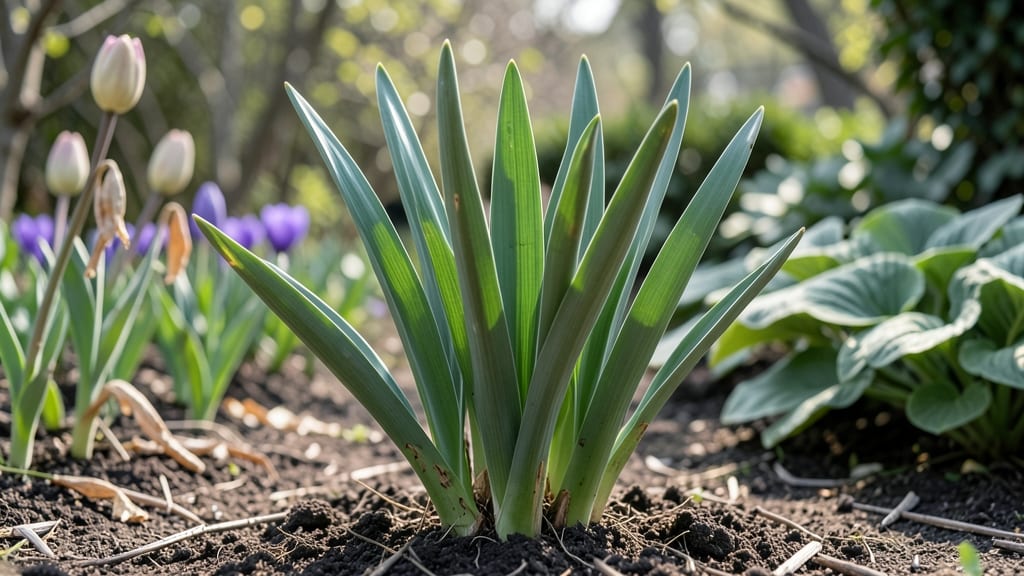
Daffodils do not bloom all summer—they're primarily spring bloomers, with most varieties finishing by late May or June. Their flowering window depends on species, climate conditions, and how you care for them after blooming.
Daffodils are famous for their bright spring displays, but their bloom cycle is actually quite short compared to summer flowers like daylilies or roses. 🌸 Most varieties follow a predictable pattern: they push through snow, bloom in cool weather, and then fade by early summer.
The key to getting more flowers next year lies in what you do after they finish blooming—removing spent blooms (deadheading) redirects energy to the bulbs for next season's show.
What many gardeners don't realize is that some late-blooming daffodil varieties, like Narcissus poeticus (poet's daffodil), can extend their season into early summer in cooler climates. The difference comes down to temperature and daylight hours—warmer regions often see earlier blooming, while northern gardens might get a slightly longer display.
Proper care, including well-draining soil and occasional feeding, can also help certain hybrids rebloom later in the year.
💡 In This Article
- Daffodil Bloom Seasons by Variety and Climate
- How to Extend Daffodil Bloom Time with Deadheading and Care
Daffodil bloom seasons by variety and climate
Daffodils are hardwired by nature to bloom in early spring—a survival strategy that ensures they flower before trees leaf out and compete for sunlight.
Most common varieties like Narcissus pseudonarcissus (wild daffodil) bloom between February and April, while late bloomers such as Narcissus poeticus (poet's daffodil) may extend into May or early June. The difference comes down to their internal biological clocks, which respond to temperature shifts and daylight hours.
For example, daffodils planted in Zone 5 or colder regions often bloom 2-3 weeks later than those in Zone 8 or warmer climates, where warmer winters trigger earlier growth.
The science behind this involves a process called vernalization, where cold temperatures break the bulbs' dormancy. Once temperatures rise above 50°F consistently, the bulbs shift into active growth. Sunlight exposure also plays a role—daffodils need at least 6 hours of direct sunlight daily to produce strong blooms.
In shady spots, flowers may appear smaller and bloom later. 🌱 What's fascinating is how some reblooming hybrids (like 'Ice Follies' or 'Tête-à-Tête') can produce a second, smaller flush of flowers in late summer or fall if given proper care, though this isn't true for most traditional varieties.
Climate also creates regional variations. In the Pacific Northwest, daffodils might bloom as early as January due to mild winters, while Midwestern gardens often see peak blooms in April. Coastal areas with cooler summers can extend the bloom window by 3-4 weeks compared to inland heat.
The key factor is nighttime temperatures—if nights stay above 60°F for too long, it signals the plant to stop flowering and focus on bulb development for next year.
Here's what most gardeners overlook: the chilling requirement. Most daffodils need 6-12 weeks of temperatures below 40°F to properly set buds for the following spring. Without this, they may produce weak or no flowers.
This is why daffodils grown in tropical climates often struggle to bloom reliably—they simply don't get the necessary cold period. 🌡️ In warmer regions, gardeners sometimes use artificial chilling techniques (like storing bulbs in a fridge for 8-10 weeks) to trick them into blooming.
Consider these key factors when choosing varieties for your climate:
- Early bloomers: 'Tête-à-Tête' (February-March) thrives in Zones 3-9
- Mid-season: 'Ice Follies' (March-April) handles Zones 4-8 well
- Late bloomers: 'Poet's Daffodil' (April-May) prefers Zones 5-9
- Rebloomers: 'Minnow' (spring + fall) works in Zones 5-9 with proper care
What's particularly interesting is how altitude affects blooming. At higher elevations (above 5,000 feet), daffodils often bloom 2-4 weeks later than at sea level due to cooler temperatures. This creates stunning staggered displays when planted in gardens at different elevations. 🏔️ The takeaway?
Your local climate dictates not just when daffodils bloom, but whether they'll bloom at all—making variety selection and location planning critical for success.