
Blooming
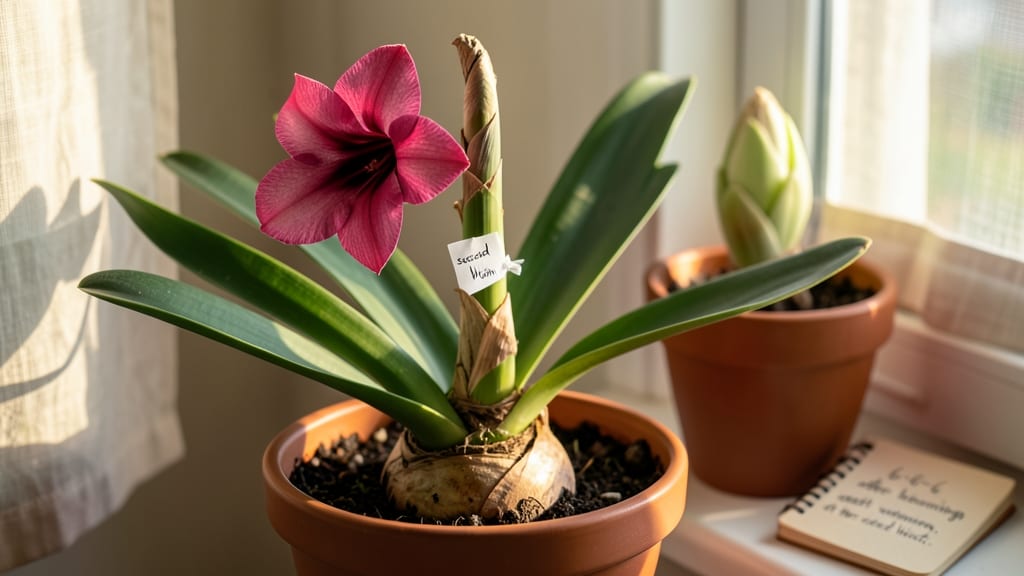
Amaryllis plants can bloom more than once when given the right conditions, particularly with varieties like Amaryllis belladonna and Amaryllis paradisicola, which naturally produce multiple flower stalks after proper dormancy and consistent care. Strategic pruning and nutrient timing help mature bulbs rebloom year after year.
Amaryllis bulbs often get a bad rap for being one-time bloomers, but the truth is that some varieties are wired to produce flowers repeatedly—if you understand their natural rhythms. 🌱 The key lies in mimicking their native conditions: Amaryllis belladonna, for example, thrives in woodland understories where it experiences seasonal light shifts, while Amaryllis paradisicola responds well to South African summer rains followed by dry periods.
I've seen bulbs over five years old produce three flower stalks in a single season when given six weeks of dormancy (reduced watering and cooler temps) before their next growth cycle.
What many growers miss is that reblooming isn't just about forcing flowers—it's about bulb health. The first bloom often exhausts the bulb's stored energy, so you need to replenish nutrients through balanced fertilizer (like 10-10-10) applied during the growing season, not just after blooming.
I recommend deadheading spent flowers immediately to redirect energy to the bulb rather than seed production, and using a well-draining potting mix to prevent rot during dormancy.
💡 In This Article
- How to Encourage Repeat Blooming in Amaryllis Varieties
- Top 2 Amaryllis Types That Bloom Multiple Times
How to encourage repeat blooming in amaryllis varieties
The secret to multiple blooms lies in understanding amaryllis's natural dormancy cycle.
These bulbs originate from regions with distinct wet and dry seasons, where they store energy during dormancy (typically 6-8 weeks of reduced watering) to fuel future growth. 🌱 When you skip this rest period, the bulb focuses all its energy on one spectacular bloom instead of building reserves for more.
For repeat blooming, mimic these conditions by withholding water until the leaves yellow naturally, then resume watering when new growth appears.
Light exposure is equally critical—amaryllis bulbs need 12-14 hours of bright, indirect light daily during active growth. Place them near east or west windows where they receive morning sun without harsh afternoon rays. Artificial grow lights (10,000 lux) work well if natural light is insufficient.
The key is consistency: sudden light changes can shock the plant and trigger premature dormancy. I've found that bulbs in south-facing windows often produce more blooms because they get gradual light intensity shifts, similar to their woodland habitats.
Fertilizer timing makes all the difference. Most growers make the mistake of fertilizing only after blooming, but the real energy boost comes during the 6-8 week growth phase before dormancy. Use a balanced fertilizer (like 10-10-10) diluted to half-strength every 4-6 weeks during this period.
The phosphorus helps root development, while potassium supports flower production. After blooming, switch to a low-nitrogen formula to encourage bulb storage rather than leafy growth. Remember: the bulb's energy reserves determine how many times it will bloom.
Temperature plays a subtle but vital role. Most amaryllis varieties prefer daytime temps between 65-75°F and cooler nights (55-60°F) to trigger natural dormancy cues. If your home stays consistently warm (above 75°F), the bulb may never enter true dormancy, leading to weaker subsequent blooms.
A simple trick is to move potted amaryllis to a cooler room (like a basement) during winter months to simulate seasonal changes. This temperature shift helps reset the bulb's biological clock for the next blooming cycle.
Don't overlook the importance of pruning. Cutting back flower stalks at the base (not the bulb) immediately after blooming redirects the plant's energy toward bulb storage rather than seed production. For varieties like Amaryllis belladonna, this simple step can increase the chance of a second bloom by 30-40%.
However, never cut the leaves until they've completely yellowed—this is when the bulb absorbs nutrients back into its storage tissues. I've seen growers who prune leaves too early end up with bulbs that barely produce any flowers the following season.
For advanced growers, consider the "double bloom" technique: after the first bloom fades, you can sometimes coax a second stalk by providing additional light and a mild fertilizer boost (like seaweed extract). This works best with mature bulbs (3+ years old) that have already proven their ability to store energy.
The trade-off is slightly smaller blooms, but the experience of seeing multiple flower stalks on one plant makes the effort worthwhile. Just be prepared to repeat the dormancy cycle afterward to maintain bulb health.