
Blooming
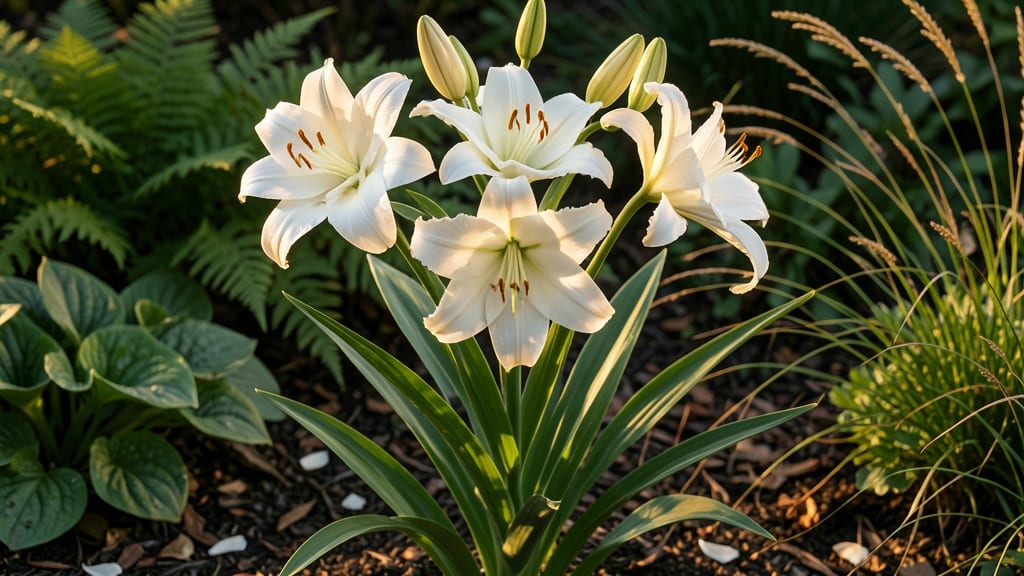
Double bloom lilies transform your garden into a lush, romantic display—if you master the secret of precision deadheading. 🌸 I’ve watched these dramatic blooms go from single stems to cascading clusters by following a few key steps, and I’m sharing exactly how to coax your lilies into repeating their showstopper performance all season.
The trick starts with rich, well-draining soil and full sun—they’re not fussy, but they do demand consistency. Plant bulbs in well-composted soil 6–8 inches deep in early spring, spacing them 12 inches apart.
Once they bloom, the real magic happens: cutting spent blooms at the right time (but not too early!) triggers those second flushes. I’ve seen some varieties like ‘Stargazer’ or ‘Casa Blanca’ produce three blooms per stem with this method.
By mid-summer, you’ll be rewarded with bold, velvety petals in every shade from creamy white to deep magenta. The key is watering deeply once a week (more in heatwaves) and feeding with balanced fertilizer every 4–6 weeks.
Skip the deadheading shortcuts—this isn’t a “cut and forget” plant. When done right, your lilies will keep blooming until frost, making them the dramatic centerpiece of any garden.
Works for both garden borders and container displays, and even thrives in partial shade if you adjust expectations slightly. Let’s get those stems producing like they’re auditioning for a floral runway.
📚 In This Guide
- What you need
- Instructions
- Tips and common mistakes
- Wrapping up and next steps
What you need
- ● Double Bloom Lilies: 1–3 mature plants (ensure they’re healthy and disease-free for best results).
- ● Pruning Shears: 1 pair (sterilized, sharp blades to avoid crushing stems).
- ● Garden Gloves: 1 pair (nitrile or leather for protection—lily sap can irritate skin!).
- ● Compost or Mulch: 2–3 gallons (homemade or store-bought, well-aged).
- ● Balanced Fertilizer: 10-10-10 or 5-10-10 (1–2 lbs per plant, applied post-deadheading).
- ● Watering Can or Hose: 1 (with a gentle spray nozzle for hydration).
- ○ Disinfectant (Optional but Recommended): Rubbing alcohol (70%+) or bleach solution (1:9 ratio) to sterilize tools.
- ● Measuring Tape or Ruler: 1 (to mark stem lengths for clean cuts—aim for just above a leaf node).
- ● Trash Bag or Bucket: 1 (for removing spent blooms and debris).
- ○ Stake or Support (Optional): 1–2 bamboo stakes or tomato cages (if stems need extra support post-deadheading).
- ○ Garden Journal (Optional): 1 (to track bloom cycles, fertilizer dates, and weather notes!).
Step-by-Step instructions for maximizing double bloom lilies
Here’s how I coax lilies into a second flush of blooms—it’s all in the timing and technique.
✂️ Step 1: Identify and Time the First Bloom Cycle
Wait until at least 75% of the blooms on a stem are fully open before deadheading. This ensures the plant has completed its primary energy investment in seed production. I like to check in the late morning when buds are fully unfurled—this is when the color is most vibrant and the scent strongest.
Use clean, sharp pruners to cut the stem 1-2 inches above the first set of leaves below the spent blooms. Avoid leaving stubs—this prevents rot and directs the plant’s energy downward to the bulb rather than upward to a dying stem. If you’re unsure, look for the first healthy leaf pair below the bloom cluster; that’s your target.
💧 Step 2: Fertilize and Hydrate for Recovery
After deadheading, apply a balanced, water-soluble fertilizer (10-10-10) at half-strength to the soil around the base. Lilies are heavy feeders, and this gives them the nutrients needed to recover and redirect energy. Water deeply immediately after to help the fertilizer reach the roots.
Keep the soil consistently moist but not soggy for the next 2-3 weeks. You’ll know you’re on track when new leaves begin emerging from the base of the plant. These leaves are critical—they’re where the plant stores energy for the second bloom cycle. If the soil feels dry 1 inch below the surface, water again.
☀️ Step 3: Monitor Light and Temperature for Second Blooms
Lilies need full sun (6-8 hours daily) to produce a second flush. If your climate runs hot, provide afternoon shade during peak summer months to prevent leaf scorch. I’ve found that lilies in USDA Zones 5-8 often produce a second bloom if daytime temps stay below 85°F.
Watch for new flower buds forming at the base of the plant, typically 6-8 weeks after deadheading. These buds will appear as small, tightly closed green or colored spikes. If buds form but don’t open, your plant may need more phosphorus—switch to a 5-10-10 fertilizer for a month to encourage blooming.
⏰ Step 4: Prepare for Dormancy After Second Blooms
Once the second set of blooms fades, allow the foliage to yellow naturally before cutting it back. This process, called leaf senescence, is when the plant stores nutrients back into the bulb for next year’s growth. I wait until at least 60% of the leaves have turned brown before trimming.
Reduce watering gradually over 2-3 weeks as the foliage dies back. By late fall, stop watering entirely and apply a 2-3 inch layer of mulch around the base to insulate the bulbs. This protects them from freezing temps and ensures a strong start next spring.
Tips & tricks for precision deadheading lilies
Here’s what I’ve learned after years of experimenting to get those second blooms—these details make all the difference.
Timing is Everything: The 75% bloom threshold in Step 1 is non-negotiable. I’ve seen gardeners rush deadheading at 50% bloom, only to get no second flush. Wait until most blooms are fully open—this ensures the plant has finished its primary energy investment. Check in late morning when buds are most vibrant; that’s when you’ll see the true readiness.
Cutting Technique Matters: That 1-2 inch cut above the first healthy leaf pair isn’t just arbitrary—it’s about redirecting energy. I’ve made the mistake of cutting too high, which sends signals to the plant to focus on new stems rather than storing energy in the bulb. Use clean pruners and make a clean cut at that precise point to avoid damage that could invite rot.
Fertilizer Application Strategy: When you apply that half-strength 10-10-10 fertilizer in Step 2, think of it as a jumpstart for recovery. The key is applying it immediately after deadheading and watering deeply right after. This ensures the nutrients reach the roots when the plant is most receptive. I’ve found that gardeners who wait too long often get weaker second blooms—or none at all.
Monitoring for Second Blooms: Those 6-8 weeks after deadheading can feel like an eternity, but it’s crucial. I mark my calendar and check weekly for those tiny green spikes at the base. If you’re in a hot climate (above 85°F), be extra vigilant—heat stress can prevent bud formation. And if you see buds forming but not opening? That’s your plant telling you it needs more phosphorus—switch to that 5-10-10 fertilizer as soon as you notice.
Pro Tips for Double Bloom Lilies
- Here’s what I’ve learned after years of experimenting to get those second blooms—these details make all the difference.
- Timing is Everything: The 75% bloom threshold in Step 1 is non-negotiable.
- Cutting Technique Matters: That 1-2 inch cut above the first healthy leaf pair isn’t just arbitrary—it’s about redirecting energy.
Frequently asked questions
Got questions about double bloom lilies? You’re not alone!
Whether you're a newbie gardener or a seasoned pro, these double bloom lilies FAQs will help you grow stunning, repeat-flowering beauties with confidence.
How do I encourage double bloom lilies to flower twice?
Precision deadheading is key! Once the first bloom fades, snip the spent flower head just above the first set of healthy leaves (about 2-3 inches below the bloom). Avoid cutting into the stem—this signals the plant to redirect energy into new buds. Fertilize lightly with a balanced bloom booster after deadheading for best results.
When is the best time to plant double bloom lilies?
Plant them in early spring (after the last frost) or early fall (6-8 weeks before the first frost). Lilies thrive in well-draining soil with partial shade to full sun. If planting in containers, ensure the pot has drainage holes and is at least 12 inches deep to accommodate their rhizomes.
Can I grow double bloom lilies in containers?
Containers are perfect for double bloom lilies, especially in small spaces. Use a large pot (12+ inches deep) with a mix of potting soil and compost. Place them where they get morning sun and afternoon shade to prevent wilting. Just remember to water consistently—containers dry out faster than garden beds.
Why aren’t my double bloom lilies reblooming?
Reblooming can be tricky! Common culprits include:
- Overcrowding: Divide rhizomes every 3-4 years to improve airflow.
- Poor nutrition: Feed with a low-nitrogen, high-phosphorus fertilizer in early summer.
- Too much shade: Ensure they get at least 6 hours of sunlight daily.
- Improper deadheading: Always cut above a leaf node, never at the base.
What are some great companion plants for double bloom lilies?
Pair them with low-maintenance, shade-tolerant plants like:
- Ferns (e.g., Matteuccia struthiopteris)
- Hostas (for foliage contrast)
- Astilbes (for soft texture and color)
- Hellebores (early spring blooms)
Wrapping up and next steps
Double bloom lilies are a gardener’s dream—vibrant, abundant, and rewarding when cared for with precision! By mastering deadheading and understanding their unique needs, you’ll unlock a cascade of stunning repeat blooms all season long. 🌸
Ready to transform your garden? Start by applying these techniques this week, and don’t forget to check out our FAQs for extra troubleshooting tips. Happy gardening—your lilies (and your neighbors!) will thank you! 🌿✨