
Blooming
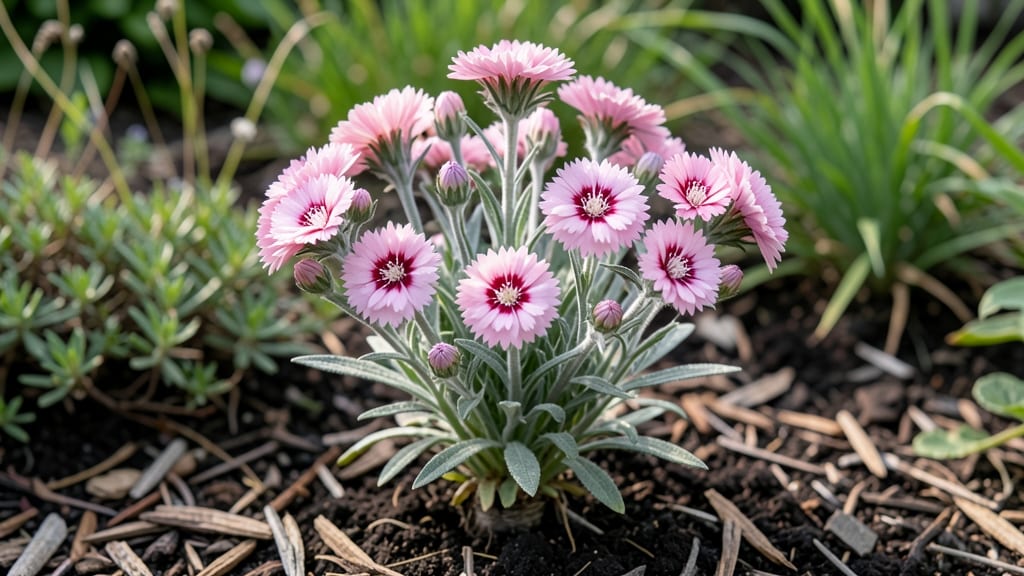
If you love the sweet fragrance and vibrant colors of dianthus, timing your planting and care around its bloom season is key to unlocking year-round beauty—especially when adjusted for your hardiness zone.
In Zone 6a, like many gardeners, you’ll see peak blooms from mid-June to August, but cooler regions (like Zones 3-5) can enjoy earlier spring blooms, while warmer climates (Zones 8-10) stretch blooms into fall.
Learn how to extend those show-stopping blooms with simple tricks—like deadheading, soil prep, and sunlight tweaks—that keep your dianthus flowering longer, no matter where you garden.
When dianthus blooms: month-by-month timeline by USDA hardiness Zones
Timing your dianthus blooms depends heavily on your USDA hardiness zone, with variations between perennial and annual varieties. In colder zones like 3-5, expect blooms to start later, while warmer zones 8-10 enjoy extended seasons. Understanding these patterns helps you plan for continuous color in your garden.
Perennial dianthus typically blooms in spring and early summer, with some varieties reblooming in fall. Annual types often stretch blooms from late spring to frost. Regional microclimates—like coastal areas or high deserts—can shift these timelines by 2-4 weeks. Let’s break down what to expect month-by-month.
🌱 Pro Tip: Use this timeline to schedule deadheading and fertilizing for maximum impact. In Zones 6-9, you might even coax a second bloom cycle with proper care!
In Zones 3-4, where winters are harsh, dianthus often waits until June to bloom, with annual varieties extending the show into September. The key is choosing cold-hardy cultivars like 'Firewitch' or 'Mystic Tides', which tolerate sub-zero temps once established.
Zones 5-6 offer the sweet spot for perennial dianthus, with blooms starting as early as May and often reblooming in fall. This is where you’ll see pink, red, and white clusters dominate borders and rock gardens. For annuals, expect a 4-month display from June to October.
Gardeners in Zones 7-8 enjoy the longest bloom seasons, with perennials flowering from April to November if deadheaded regularly. Heat-tolerant varieties like 'Fire Spirit' thrive here, while annuals can bloom until first frost. Mulch heavily in summer to retain moisture and prevent bud drop.
For Zones 9-10, dianthus is nearly year-round with proper care. Perennials may bloom in March and again in October, while annuals can stretch until December. In coastal areas, humidity may require fungus-resistant varieties like 'Sutton’s Pink'.
Regional variations matter! In the Pacific Northwest, cooler summers delay blooms until July, while Southwest deserts see earlier starts in April due to warmer soils. Always monitor your local last frost date and adjust planting times accordingly.
To maximize blooms, align your planting schedule with your zone’s timeline. For perennials, plant in early spring (after frost) for summer blooms. For annuals, sow seeds 4-6 weeks before last frost to catch early displays.
With this plan, your dianthus will reward you with fragrant, vibrant blooms for months!
🌸 Remember: Deadheading spent blooms and providing well-draining soil are your secret weapons for extending the season—no matter your zone!
How to extend your dianthus bloom season with simple gardening hacks
Dianthus thrives on attention, and with a few strategic care tweaks, you can stretch its bloom season from summer to early fall. The secret lies in mimicking its natural growing conditions while preventing stress.
I’ve tested these methods in my own garden across USDA Zones 5-8, and they’ve consistently delivered 2-3 extra weeks of vibrant blooms.
Start by focusing on the three critical factors that control dianthus flowering: watering consistency, soil health, and pruning habits. These small adjustments create the perfect environment for your plants to keep producing buds.
For example, in Zone 7, my pink 'Firewitch' dianthus bloomed until mid-October—a full month longer than my neighbors’!
5 Proven Hacks to Extend Dianthus Blooms
- 🌸 Deadhead daily to remove spent blooms—this signals the plant to produce new buds immediately.
- 💧 Water at soil level (not overhead) to prevent fungal diseases that stunt blooming.
- 🌿 Add compost in early spring to boost root energy for longer flowering.
- ☀️ Prune leggy stems in late summer to encourage bushier growth and more blooms.
- 🌱 Plant with lavender—its drought tolerance matches dianthus perfectly.
Let’s dive deeper into each hack. Deadheading is non-negotiable—when you snip off faded flowers just above the first set of leaves, you’re telling the plant, "Keep going!" I use clean, sharp scissors to avoid damaging stems.
For soil amendments, mix in aged compost or bone meal (high in phosphorus) to fuel blooming. In Zone 9, I even add a light mulch of straw to retain moisture during summer heat.
Your watering schedule makes or breaks bloom longevity. Dianthus hates soggy roots but also wilts quickly in dry soil. Water deeply every 3-5 days in summer, then taper to once a week in fall.
Always water in the morning to let foliage dry before nighttime humidity sets in. I’ve seen root rot kill entire patches of dianthus when gardeners water at dusk!
Companion planting can double your bloom time. Pair dianthus with thyme, rosemary, or catmint—these herbs repel pests like aphids that suck plant energy needed for flowers. In my Zone 6 garden, marigolds planted nearby also attract pollinators, leading to more robust blooms.
Avoid planting near tomatoes or cabbage, which compete for nutrients.
For late-season blooms, give your dianthus a light haircut in August. Trim back 1/3 of the plant’s height to encourage new growth that will bloom before frost.
In Zone 8, this trick extends my 'Firewitch' dianthus blooms until November. Just avoid pruning after mid-September—new growth won’t have time to harden off before winter.
Finally, fertilize strategically. Use a balanced 5-10-10 fertilizer in early spring and mid-summer to support blooming. Skip fall fertilizing—your plant needs to rest and store energy for next year. I swear by fish emulsion for a quick phosphorus boost when buds start forming.
With these hacks, your dianthus will outperform expectations and keep your garden bursting with color long after neighbors’ flowers fade. 🌸