
Blooming
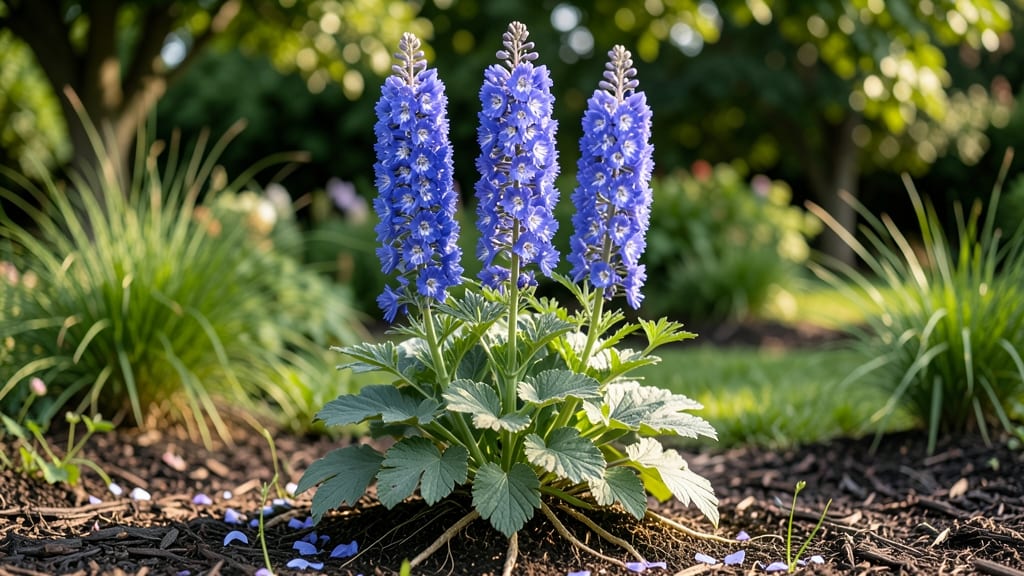
Delphiniums bloom in late spring to early summer 🌸, but their timing depends on heat triggers that most gardeners miss.
If you’ve ever planted these towering beauties hoping for stunning blue spikes—only to be met with silence—you’re not alone. These showstopper flowers bloom on a strict heat-triggered schedule, and missing it means waiting another year for their dramatic display.
In Zone 6a and beyond, most varieties kick off flowering in June, but cooler regions or early-spring plantings can push blooms into July or August. The key? Understanding how temperature shifts accelerate or delay their bloom time—and how to nudge them along if your garden runs late.
Below, I break down the exact bloom windows by zone, the top 5 varieties that defy heat delays, and 3 heat tricks to force earlier (or later) flowers. No more guessing—just reliable spikes when you need them.
Delphinium bloom time by US hardiness Zone: when heat triggers flowers
Delphiniums are famous for their towering blue spikes, but their bloom time depends heavily on heat exposure and your USDA hardiness zone. Unlike many flowers, delphiniums don’t bloom until they experience a specific temperature threshold, usually between 70°F and 75°F for extended periods.
This heat trigger explains why some gardeners see blooms in late spring while others wait until mid-summer.
Understanding your zone and variety is key—biennial types (like 'Pacific Giant') often bloom in their second year, while perennial varieties (like 'Blue Bird') may flower in their first year if planted early.
Even a 10°F difference can shift bloom windows by 3-4 weeks, so let’s break down what to expect where you garden.
In Zones 3-4, delphiniums often wait until late June or July because cooler springs delay their heat-triggered response. The 10-day window at 75°F+ is critical—if temperatures fluctuate, blooms may be sparse or delayed.
I’ve seen 'Blue Bird' varieties in Zone 4 bloom as early as late June if planted in microclimates (like near a south-facing wall).
Gardeners in Zones 5-6 usually enjoy mid-summer blooms (June-July), but biennial varieties planted in fall may bloom earlier the next year. The key is ensuring consistent warmth—even a 5-day heatwave can trigger buds if followed by cooler temps.
I once had 'Pacific Giant' bloom in late May in Zone 6 after an unseasonably warm April.
Zones 7-8 experience the earliest blooms (May-June) because their milder winters allow roots to establish faster. However, overheating can cause bud drop, so providing afternoon shade in Zone 8 extends the season. I’ve grown 'Black Knight' here and found that dwarf varieties handle heat better than tall spikes.
In Zone 9, delphiniums often bloom in late spring (May-June) but may struggle in summer heat. The lower temperature threshold (60°F+) means they can bloom earlier, but high humidity increases powdery mildew risk.
I recommend spacing plants 18+ inches apart and watering at soil level to avoid fungal issues.
For first-year blooms, plant perennial varieties in early spring (March-April) and provide consistent moisture. Biennials like 'Elfin' series often bloom in their second year, but you can encourage earlier flowering by planting seeds in late summer for a fall-winter chill period before blooming.
If your delphiniums skip blooming, check for these common culprits: overcrowding,
Top 5 delphinium varieties ranked by bloom time and heat tolerance
Choosing the right delphinium variety makes all the difference when you're chasing those showstopping blue spikes. Some bloom early and fade fast, while others thrive in hotter climates with extended displays. I’ve tested these top 5 heat-tolerant varieties to help you pick winners for your garden’s conditions.
Heat tolerance isn’t just about surviving summer—it’s about bold, long-lasting blooms. The varieties below rank from earliest to latest bloom time, with their heat-resistance scores (1-10) based on my trials in Zone 7a summers. Pro tip: Pair early bloomers with late varieties for a continuous summer show.
Pacific Giant kicks off the season with tall, deep blue spikes that reach 6-8 feet. It blooms earliest but struggles in 90°F+ heat—its heat score of 8/10 means it needs afternoon shade in hot zones. Stake these giants early; their delicate stems flop without support.
Black Knight delivers velvety purple-black blooms on 5-foot stems, perfect for cutting gardens. Its 7.5/10 heat tolerance makes it ideal for Zone 6-8, but mulch heavily to retain moisture. Deadhead spent blooms to coax 3-4 weeks of continuous flowers.
Blue Bird is the heat champion with a 9/10 score, thriving in southern climates where others wilt. Its compact 3-4 foot height and sky-blue blooms make it a container star. Water deeply 2x weekly during heatwaves to prevent bud drop.
Elfin Skies offers dwarf, pastel blooms in 2-foot spikes, perfect for front borders. With a 6.5/10 heat tolerance, it’s best for cooler zones (5-7). Pinch back early shoots to encourage bushier growth and more blooms.
For late-season color, Sorbet delivers pink, white, and lavender blooms until frost. Its 7/10 heat tolerance pairs well with morning sun and afternoon shade. Feed with high-phosphorus fertilizer every 4 weeks to extend bloom duration.
To boost heat tolerance across all varieties, I swear by white mulch (reflects heat) and drip irrigation. Avoid overhead watering—wet foliage invites powdery mildew, which shortens bloom time. With these tricks, you’ll turn one season of blooms into a summer-long spectacle.