
Pruning
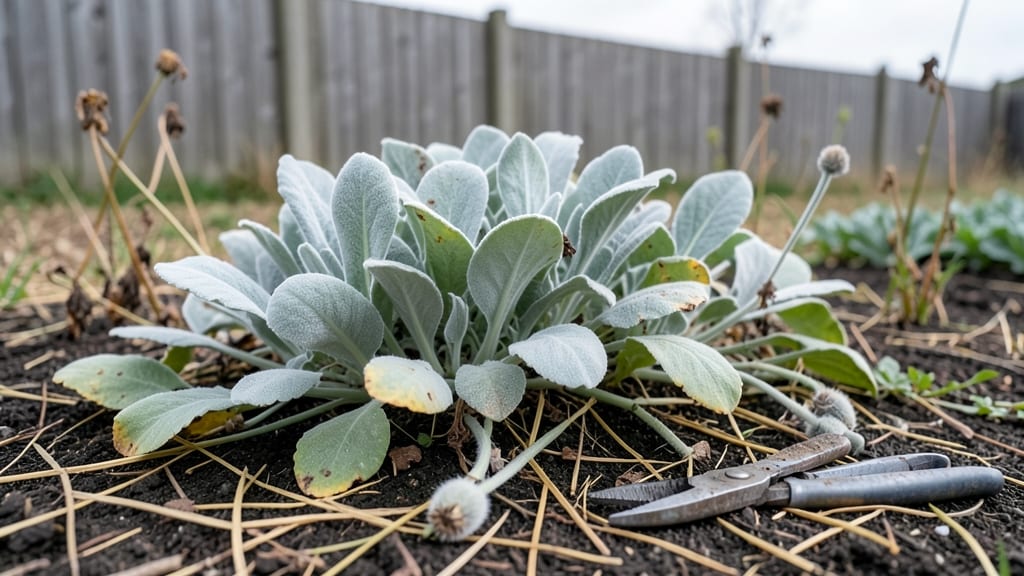
Deadheading lamb's ear isn't just about tidying up—it's the secret to keeping those velvety silver leaves looking shockingly lush all season. 🌿 I learned the hard way that skipping this step means your plant will focus energy on seed production instead of the foliage you love.
The good news? It takes less than five minutes and makes a world of difference.
Here's the thing—you don't need fancy tools. Just clean pruners or even your fingers work perfectly fine. The key is timing: trim back spent flower stems right after they fade, but before they form seed heads.
This simple act redirects the plant's energy back to growing more of those signature fuzzy leaves, keeping your lamb's ear looking like a showstopper from spring through fall.
What you'll end up with is a plant that stays compact, stays vibrant, and stays productive. The leaves stay velvety soft and silver, the growth stays bushy, and you avoid the messy seed pods that turn your garden into a weed factory.
Plus, your lamb's ear will reward you with fresh new growth within weeks of proper deadheading.
Works for both the classic silver varieties and the chartreuse types, and it's just as effective in containers as it is in garden beds. The only rule? Don't wait until the flowers are completely dead—act fast to keep that energy flowing where you want it.
📚 In This Guide
- What you need
- Instructions
- Tips and common mistakes
- Wrapping up and next steps
What you need
- ● Pruning shears: Sharp, bypass-style shears (avoid anvil shears—they crush stems). Example: Felco F-2 or similar (5–7" blade size).
- ○ Gloves: Heavy-duty gardening gloves (to protect from fuzzy leaves and thorns). Optional: Nitrile-coated for extra grip.
- ● Watering can or hose: With a gentle spray nozzle (for post-pruning hydration).
- ● Trash bag or bucket: For disposing of deadheaded foliage (1–2 gallons capacity).
- ○ Compost bin (optional): If you plan to recycle trimmed leaves for soil enrichment.
- ● Sunny day: Choose a mild, overcast morning or evening to avoid stressing the plant.
- ● Clean tools: Disinfect shears with rubbing alcohol (70%+) or a 10% bleach solution to prevent disease.
- ● Patience: Lamb’s Ear grows fast—dedicate 10–15 minutes per plant for thorough trimming.
Step-by-Step instructions for deadheading lamb's ear
Here's how to keep your lamb's ear looking lush and encourage it to bloom again—no fancy tools needed.
🌿 Step 1: Identify and Locate the Spent Blooms
Start by scanning your lamb's ear plants for faded or wilted flower stems. These will appear as brownish or dried-out clusters at the top of the plant, often with no fresh color or vibrant petals. Lamb's ear blooms are small and fuzzy, so look for clusters that have lost their fluffy texture.
Gently run your fingers over the foliage to feel for any stiff, dry stems. The key is to remove only the dead blooms while leaving the healthy green leaves untouched. This ensures the plant focuses its energy on regrowing rather than supporting dead flowers.
✂️ Step 2: Trim the Dead Blooms at the Right Spot
Use clean, sharp pruning shears or your fingers to pinch off the spent blooms just above a set of healthy leaves or a leaf node. This is where new growth will emerge. Lamb's ear stems are delicate, so avoid tearing the foliage—cut cleanly at a 45-degree angle if using shears.
If you're using your fingers, simply snap the stem just above the leaf node. You'll hear a slight crack, which means you've pinched it in the right place. This encourages the plant to redirect its energy into producing fresh growth instead of maintaining dead blooms.
💧 Step 3: Encourage New Growth with Proper Care
After deadheading, give your lamb's ear a light watering to help it recover. The soil should feel moist but not soggy—lamb's ear prefers well-draining soil and doesn't like to sit in water. If the soil feels dry to the touch, water gently until it's evenly moist.
Place the plant in a spot with bright, indirect light for a few days to help it bounce back. Avoid direct sunlight immediately after trimming, as this can stress the plant. You'll notice new growth emerging from the leaf nodes within 7-10 days if conditions are right.
☀️ Step 4: Maintain for Continuous Blooms
Once new blooms start to form, keep an eye on them and repeat the deadheading process as they fade. Regular trimming encourages the plant to produce more flowers rather than focusing on seed production. Lamb's ear is a perennial, so with proper care, it can bloom multiple times in a single season.
Here's the thing—don't overdo it. If you trim too aggressively, you might remove too much foliage, which can weaken the plant. Aim to remove only the dead blooms and leave at least half of the plant's leaves intact. This balance keeps your lamb's ear healthy and ready for another round of blooms.
Tips & tricks for perfect lamb's ear trimming
Here's what I've learned after years of deadheading my own lamb's ear plants—simple tricks that make all the difference.
Timing Secret: The best time to deadhead lamb's ear is in the morning when the plant is fully hydrated. This makes the stems easier to snap cleanly and reduces stress on the plant. I always do this before watering—it helps me spot the dead blooms more clearly against the fresh foliage.
Technique Tip: When using your fingers to pinch off dead blooms in Step 2, focus on the leaf node just below the spent bloom. This is where new growth will emerge. If you're unsure, look for the tiny bump where leaves attach—the perfect spot to snap. A clean break here encourages faster regrowth than a jagged cut.
Tool Recommendation: Don't have pruning shears? Your fingers work perfectly fine! Just make sure your nails are clean and trimmed to avoid damaging the delicate stems. For larger plants, I sometimes use clean kitchen scissors in a pinch, but they're not as precise as shears.
Growth Hack: After deadheading, I like to give my plants a light misting of water in the evening. This helps the plant recover overnight and prevents any stress from the trimming. You'll notice new growth appearing at the leaf nodes within those 7-10 days mentioned in Step 3—just keep an eye out for those little green shoots!
Pro Tips for Deadhead Lambs Ear
- Here's what I've learned after years of deadheading my own lamb's ear plants—simple tricks that make all the difference.
- Timing Secret: The best time to deadhead lamb's ear is in the morning when the plant is fully hydrated.
- Technique Tip: When using your fingers to pinch off dead blooms in Step 2, focus on the leaf node just below the spent bloom.
Frequently asked questions
Got questions about deadheading lamb’s ear? You’re not alone! Whether you’re a seasoned gardener or just starting out, here are answers to the most common concerns—straight from the experts.
When’s the best time to deadhead lamb’s ear?
The ideal time is after flowering, typically in late spring or early summer. Trim back faded blooms to encourage a second flush of flowers. Avoid cutting in extreme heat or frost—wait for mild days to protect the plant’s tender leaves.
How often should I deadhead lamb’s ear?
For continuous blooms, deadhead every 4–6 weeks during the growing season. If you’re growing it for foliage (not flowers), light pruning every few months keeps it tidy. Over-trimming can stress the plant, so balance is key!
What if my lamb’s ear stops blooming after deadheading?
If blooms vanish, check for underlying issues like:
- Poor sunlight (needs full sun for flowers)
- Overwatering (root rot can stunt growth)
- Nutrient deficiency (add balanced fertilizer in spring)
Can I deadhead lamb’s ear in fall?
Nope! Skip deadheading in fall—let the plant go dormant naturally. Instead, cut back stems to 2–3 inches in late fall or early spring to prep for new growth. This keeps it compact and healthy for next year.
What’s a good alternative if deadheading isn’t working?
If deadheading feels overwhelming, try pinching back new growth instead. Pinch off tips of young stems in early summer to promote bushier growth and more flowers. It’s low-maintenance and just as effective!
Wrapping up and next steps
Deadheading Lamb’s Ear isn’t just about tidying up—it’s a game-changer for keeping your plant lush, vibrant, and thriving! 🌿 By removing spent blooms and yellowing leaves, you encourage fresh growth, deter pests, and maintain that velvety charm that makes this plant a garden star.
With just a little effort, you’ll enjoy a healthier, more resilient plant all season long.
Ready to give your Lamb’s Ear the TLC it deserves? Grab your pruners and start trimming today—your plant (and your green thumb) will thank you! 🌟 For extra tips, check out our FAQ section or explore other pruning techniques to keep your garden flourishing.