
Blooming
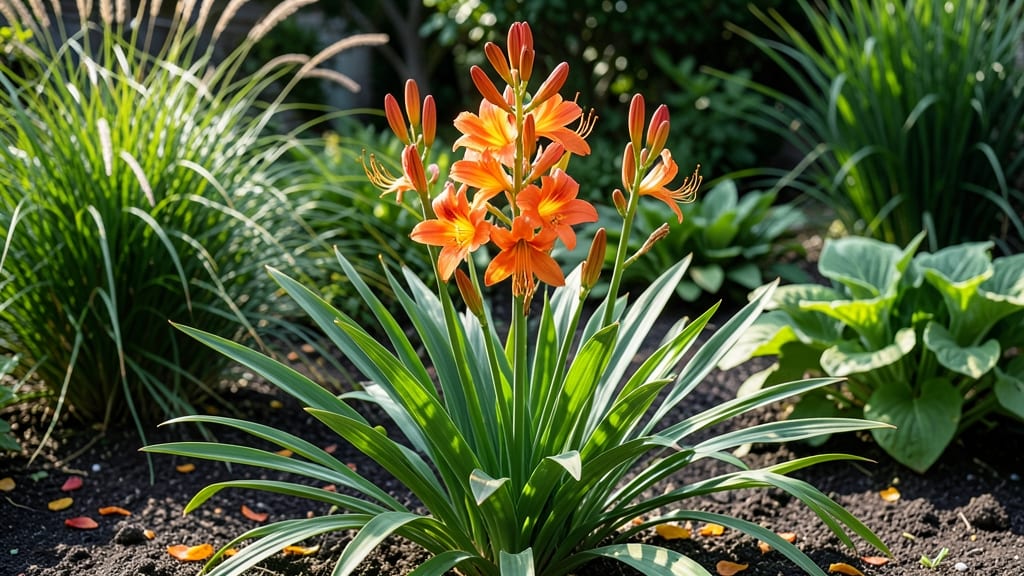
Day lilies bloom in mid-to-late summer 🌸, but their exact timing depends on your heat zone and the variety you’ve planted.
Wondering why your day lilies aren’t blooming when they should? The secret lies in their heat zone requirements and variety-specific bloom cycles—getting it right means vibrant flowers all season long.
In USDA Zone 6a, like much of the Midwest, expect blooms from July through August, while southern zones may see flowers as early as June or stretch into September.
Below, I break down the best varieties for your region, how to adjust care for earlier or later blooms, and the one pruning trick that keeps them flowering longer.
Day lily bloom time by USDA heat zones: when to expect flowers
Day lilies (Hemerocallis) are one of the most reliable perennials for summer color, but their bloom time varies dramatically based on your USDA heat zone. In cooler zones like 3-5, expect flowers to appear later in the season, while zones 8-10 often see early blooms.
Understanding these patterns helps you choose the right varieties and set realistic expectations for your garden's seasonal display.
Most day lilies bloom in late spring to early fall, but the exact timing shifts with temperature. For example, Stella de Oro typically blooms from June to September in zone 7, while Happy Returns may start as early as May in zone 9.
The key is matching your climate to the right cultivars—some varieties are bred specifically for early, mid, or late-season flowering.
Here's a quick reference for bloom timing across USDA zones, including early, mid, and late-season varieties:
| USDA Zone | Early Bloom | Mid-Season Bloom | Late Bloom | Notes |
|---|---|---|---|---|
| 3-4 | Late June | July-August | September | Cool nights delay blooms; choose hardy varieties like 'Henry Kelsey' |
| 5-6 | Mid-June | June-July | August-September | Reblooming varieties like 'Pardon Me' perform well |
| 7-8 | Early June | June-August | September-October | Peak bloom coincides with summer heat; 'Happy Returns' thrives |
| 9-10 | May-June | June-September | October-November | Extended bloom seasons; 'Stella de Oro' is drought-tolerant |
In USDA zones 3-4, day lilies often wait until late June to begin blooming because cooler temperatures slow growth. Varieties like 'Henry Kelsey' are bred to handle these conditions, producing golden-yellow blooms that tolerate frost better than most.
If you're in a cooler zone, consider planting early-blooming cultivars near your patio or deck to enjoy flowers sooner.
Gardeners in zones 5-6 typically see their day lilies open in mid-June, with peak blooming occurring from July to August. This is when reblooming varieties like 'Pardon Me' (with its striking purple-eyed yellow blooms) really shine.
To extend the season, plant a mix of early, mid, and late-season types—this creates a continuous display from June through September.
For those in zones 7-8, the bloom window expands dramatically. Early bloomers like 'Happy Returns' may start as early as late May, while late varieties can extend flowering into October. The heat of summer actually encourages more blo
Top 10 day lily varieties ranked by bloom duration and season
Choosing the right day lily variety can transform your garden from a one-time summer show to a continuous floral display. Some varieties bloom for just a few weeks, while others reward you with reblooming cycles all season.
Let’s explore the top 10 day lilies ranked by their bloom duration and seasonal performance, so you can pick the perfect fit for your garden’s style and climate.
The key to maximizing day lily bloom time lies in selecting varieties that align with your USDA heat zone and desired bloom frequency. For example, reblooming cultivars like 'Happy Returns' can flower from early summer through fall, while single-bloom varieties like 'Kwanso' offer dramatic spikes but only once per season.
Let’s dive into the rankings to find your ideal match.
If you’re after maximum bloom time, 'Stella de Oro' tops the list with an impressive 8/10 rating for its reblooming habit from June through September. This golden-yellow cultivar thrives in USDA zones 4-9