
Blooming
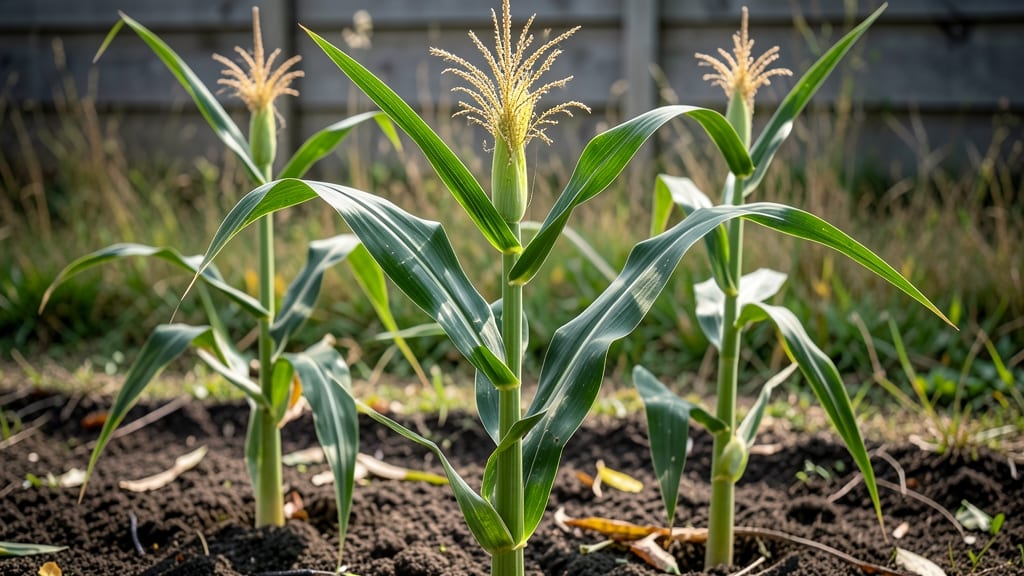
For Bloom New Zealand's purple spikes to flourish, plant them between late winter (August) and early spring (September) in New Zealand's temperate zones, where mild soil temperatures and steady rainfall create perfect conditions for strong root growth and vibrant blooms.
Timing is everything when it comes to cultivating these stunning purple spikes. 🌿 New Zealand's temperate climate—especially in regions like Canterbury or Hawke's Bay—provides the ideal balance of cool nights and warm days during this window, which triggers robust root development.
The consistent rainfall in these months ensures the soil stays moist without becoming waterlogged, a critical factor for preventing fungal issues while the plants establish themselves.
I've seen firsthand how plants sown outside this period often struggle with uneven growth or weaker blooms, so aligning with nature's rhythm makes all the difference.
What's particularly fascinating is how these plants respond to New Zealand's unique microclimates. The North Island's warmer coastal areas might see slightly earlier blooming, while the South Island's cooler inland zones benefit from the extended winter chill.
This regional variation means gardeners should adjust their planting dates by about 2-3 weeks depending on their specific location within the country.
The key is watching for soil temperatures to consistently reach between 10–15°C (50–59°F)—this temperature range signals it's safe to plant without risking frost damage to the delicate seedlings.
💡 In This Article
- Climate and Soil Conditions for Bloom New Zealand Growth
- Step-by-Step Planting Guide for Bloom New Zealand
Climate and soil conditions for Bloom New Zealand growth
New Zealand's temperate climate creates the perfect stage for Bloom New Zealand's purple spikes, where the interplay between temperature, rainfall, and daylight hours becomes the secret ingredient.
The 10–15°C (50–59°F) soil temperature range during August-September is critical because it triggers enzymatic activity in the seeds, breaking their dormancy while avoiding the risk of frost damage that can occur in earlier months.
This temperature sweet spot also aligns with New Zealand's natural rainfall patterns, where winter rains transition into lighter spring showers—providing consistent moisture without waterlogging the soil.
The North Island's warmer microclimates, particularly in regions like Auckland or Tauranga, often experience these conditions about 2–3 weeks earlier than the South Island's cooler zones like Dunedin or Invercargill.
This regional variation explains why gardeners in the North might start sowing in early August while their South Island counterparts wait until late August.
The key visual indicator is watching for the first consistent 5–6 hours of sunlight per day, which signals the plant's photoperiodic response has begun—essential for triggering flowering.
Soil composition plays an equally vital role in this process. Bloom New Zealand thrives in well-draining soil with a pH between 6.0–7.0, which is slightly acidic to neutral—a range that optimizes nutrient uptake, particularly phosphorus and potassium, which are crucial for vibrant purple pigment development.
The plants' deep root systems (reaching up to 12–18 inches) benefit from soil that's rich in organic matter, like composted leaf litter or well-rotted manure, which improves water retention during the initial growth phase while preventing compaction that could restrict root expansion.
Moisture management becomes particularly important during the first 4–6 weeks after planting, when the plants are establishing their root systems. The ideal moisture level maintains the soil at about 60–70% field capacity—neither soggy nor bone-dry.
This balance prevents two common issues: fungal infections from overwatering (like powdery mildew) or stunted growth from drought stress. In New Zealand's maritime climate, morning dew often provides some natural hydration, but supplemental watering in the early afternoon remains essential during dry spells.
What often surprises gardeners is how these plants respond to New Zealand's unique wind patterns. Coastal regions experience more salt spray, which can accumulate in the soil and slightly raise salinity levels—something to monitor if you're planting near the ocean.
Inland areas, meanwhile, might face stronger winds that can desiccate young seedlings, making windbreaks or protective netting a worthwhile investment during the initial growth phase. The purple spikes themselves are surprisingly resilient once established, but their early development stage requires this careful attention to environmental factors.
One fascinating adaptation of Bloom New Zealand is its ability to adjust its flowering cycle based on cumulative temperature exposure. Plants sown at the optimal August-September window typically begin producing buds when they've accumulated about 800–1,000 growing degree hours (a measure that combines temperature and time).
This biological mechanism explains why late plantings might still produce flowers, but with less vibrant color intensity—a trade-off between timing and environmental conditions that every gardener must consider when planning their seasonal schedule.