
Blooming
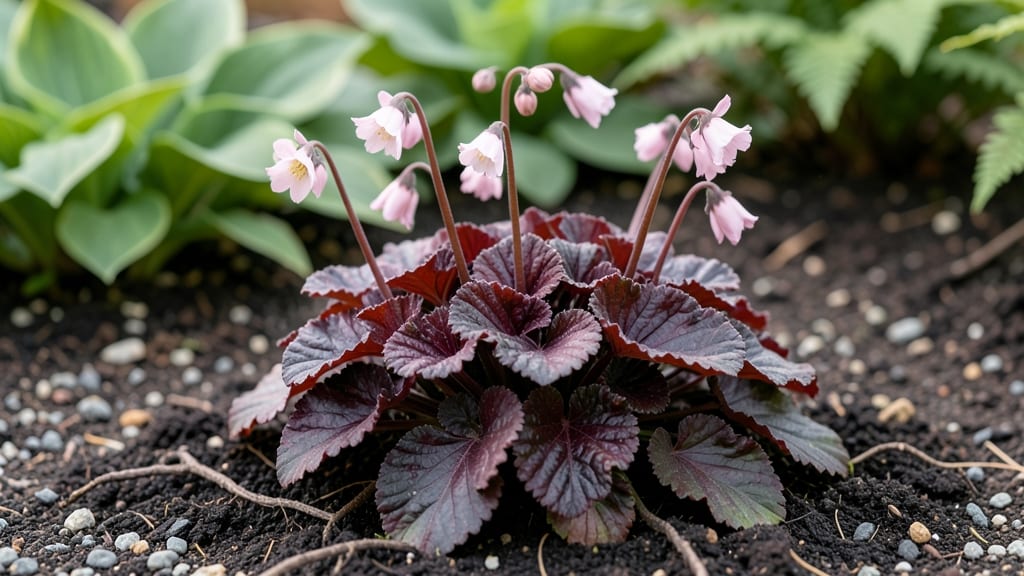
Coral bells bloom time is all about timing—those purple spikes appear in late spring to early summer, but with the right pruning, you can stretch their show for weeks. 🌸 I used to think the foliage was the star, but those delicate flower stalks?
They’re the real showstopper when timed correctly. The key is cutting back right after blooms fade, but not too late—wait until the stalks turn brown. This trick encourages a second flush of flowers in some varieties, especially in milder climates.
Just don’t shave everything down; leave the colorful leaves intact for that year-round wow factor. You’ll notice new growth within weeks, and the plant stays compact while still putting on a floral display. The foliage keeps its vibrancy, too, so you’re not sacrificing anything—just getting more blooms for your effort.
Works for all Heuchera types, from classic silver to deep purple varieties. Here’s how to make it happen without stressing the plant.
📚 In This Guide
- What you need
- Instructions
- Tips and common mistakes
- Wrapping up and next steps
What you need
- ○ Pruning shears – Bypass pruners (sharp, clean, and sterilized; 5-7" blade length). ✨ Optional: Felco F-2 pruners for precision cuts.
- ○ Gloves – Garden gloves (nitrile-coated for grip; medium thickness). ✨ Optional: Rose-pruning gloves for extra protection.
- ● Disinfectant – 70% isopropyl alcohol or hydrogen peroxide (3%) (1 bottle).
- ● Compost or mulch – Well-aged compost (5-10 gallons) or organic mulch (e.g., shredded bark).
- ● Watering can or hose – With a gentle spray nozzle (for post-pruning hydration).
- ● Markers or flags – Stakes or colored plant tags (to label pruned areas if needed).
- ● Fertilizer – Balanced liquid fertilizer (10-10-10) or slow-release granules (e.g., Miracle-Gro).
- ● Plant food – Fish emulsion (for nutrient boost post-pruning).
- ● Pruning saw – For thicker stems (if your coral bells have woody growth).
- ● Garden journal – Notebook or app (to track bloom cycles and pruning dates).
How to extend coral bells bloom time with pruning
Here's the simple pruning strategy I use to keep my coral bells flowering for months instead of weeks.
✂️ Step 1: Identify the Right Time to Prune
Wait until after the first flush of blooms has faded completely. This is usually 4-6 weeks after the initial purple spikes appear. I look for the flower stalks to turn brown and crispy—this signals the plant is redirecting energy to next season's growth. Pruning too early cuts off potential blooms, while waiting too long removes next year's flower buds.
Use sharp, clean pruners to make your cuts. Dull blades crush stems and invite disease. I like to sterilize my pruners with rubbing alcohol between cuts to prevent spreading any hidden pathogens. The key is to cut back just above a set of healthy leaves—never leave stubs, and never cut into old wood.
🌿 Step 2: Cut Back Strategically for Bushier Growth
Remove one-third of the oldest stems at the base first. These are the stems that flowered earliest and are now spent. Cutting them back encourages new growth from the center of the plant. I always start with the largest, most woody stems—these are the ones that can handle the most aggressive pruning without stressing the plant.
For the remaining stems, cut back by half but leave at least 3-4 inches of new growth. This ensures you're not removing all the plant's energy reserves. Watch for where the stems have new leaf growth—this is your visual cue that the plant is ready to regenerate. The goal is to create a fuller, more compact plant that will produce more blooms next season.
💧 Step 3: Encourage New Growth with Proper Aftercare
Water the plant deeply right after pruning to help it recover from the shock. Coral bells are drought-tolerant, but they still need moisture to push out new growth. I like to water in the early morning so the foliage has time to dry before evening. Avoid getting water on the leaves if you can—this reduces the risk of fungal issues.
Add a balanced, slow-release fertilizer (like 10-10-10) to the soil after pruning. This gives the plant the nutrients it needs to bounce back and produce new growth. I sprinkle it around the base and water it in well. You'll see new shoots emerging within 2-3 weeks—this is your sign that the pruning worked. If nothing appears after 4 weeks, the plant may need more sunlight or a stronger fertilizer.
☀️ Step 4: Adjust Light and Water for Continuous Blooming
Move your coral bells to a spot with at least 4-6 hours of sunlight daily. Partial shade is fine, but too much shade will reduce flowering. I notice my plants bloom longest when they get morning sun and afternoon shade—this prevents the foliage from scorching while still giving them enough light to produce flowers.
Reduce watering slightly once new growth appears. Coral bells prefer consistently moist but not soggy soil. Let the top 1-2 inches of soil dry out between waterings—this encourages deeper root growth, which leads to stronger stems and more blooms. If the leaves start to wilt or turn yellow, you're either overwatering or underwatering. Adjust accordingly.
⏰ Step 5: Plan for Next Season's Blooms
In late summer or early fall, give your coral bells a light trim to shape them for next year. This isn't as aggressive as the first pruning—just a little cleanup to remove any dead or unsightly stems. I also like to divide my plants every 3-4 years to keep them healthy and prevent overcrowding. This is when you'll see the most dramatic increase in blooms.
Mark your calendar for early spring to fertilize again before new growth starts. A little extra phosphorus (the middle number in the fertilizer ratio) encourages more flowers. With the right care, your coral bells will keep blooming well into fall, giving you those stunning purple spikes for months instead of weeks.
Tips & tricks for extending coral bells bloom time
These small adjustments will transform your coral bells from a seasonal showstopper to a year-round purple powerhouse.
Timing is Everything: The 4-6 week window after initial blooms fade is your golden opportunity. I've learned the hard way that pruning too soon—when the first flowers are still vibrant—robs you of potential blooms. Wait until those purple spikes turn completely brown and crispy. This signals the plant has finished its first flowering cycle and is ready to redirect energy. Pro tip: Snap off a few spent blooms and check their stems—if they're dry and hollow, it's time to prune.
Pruning Precision: When cutting back those oldest stems in Step 2, think of it as giving your plant a haircut—not a buzz cut. Leave at least 3-4 inches of new growth on remaining stems to maintain energy reserves. I like to use a small notepad to mark which stems I've pruned so I don't accidentally cut back too aggressively on subsequent prunings. The goal is to create a bushier plant with more stems capable of producing flowers. Remember, you're not just cutting back—you're sculpting future blooms.
Aftercare Matters: That deep watering right after pruning isn't just about hydration—it's about shock recovery. Coral bells are tough but still need support during this transition. I've found that watering in the early morning gives the foliage time to dry completely before evening, which dramatically reduces fungal risks. For the fertilizer step, don't be afraid to go slightly heavier on the phosphorus (the middle number) to encourage more flowering. A 10-20-10 ratio works wonders for pushing those purple spikes.
Pro Tips for Coral Bells Bloom Time
- These small adjustments will transform your coral bells from a seasonal showstopper to a year-round purple powerhouse.
- Timing is Everything: The 4-6 week window after initial blooms fade is your golden opportunity.
- Pruning Precision: When cutting back those oldest stems in Step 2, think of it as giving your plant a haircut—not a buzz cut.
Frequently asked questions
When do coral bells typically bloom, and how long do the flowers last?
Coral bells usually bloom in late spring to early summer (May–June in most regions), with a second, lighter flush in fall. The vibrant purple flower spikes last 2–4 weeks, but deadheading spent blooms can encourage a second wave. Choose early-blooming varieties like ‘Obsidian’ for a longer show!
Can I prune coral bells to make them bloom longer or more frequently?
Prune right after the first bloom (early summer) to remove up to 1/3 of the plant, cutting just above a leaf node. This redirects energy to fall reblooming and keeps foliage lush. Avoid heavy pruning in late summer—it may delay next year’s blooms. Pro tip: Use clean, sharp shears to prevent disease!
Why aren’t my coral bells blooming this year? Troubleshooting tips?
Common culprits include:
- Over-fertilizing: Too much nitrogen = leafy growth, no flowers. Use a low-phosphorus fertilizer (5-10-5) instead.
- Poor sunlight: Coral bells need partial shade (4–6 hours of sun). Too much shade = fewer blooms.
- Stress: Drought or root-bound plants may skip blooming. Water deeply 1–2x weekly and repot if needed.
Are there coral bells varieties that bloom later in the season?
Yes! For extended bloom time, try:
If your coral bells are chronically non-blooming, consider these low-maintenance alternatives with similar foliage and flowers:
Bonus: Mix varieties for a continuous color show from May to October!
What’s the best alternative if my coral bells refuse to bloom?
Tip: All thrive in partial shade like coral bells!
Wrapping up and next steps
Coral bells (Heuchera) dazzle with their vibrant purple spikes and lush foliage, but their bloom time and longevity depend on smart pruning!
By following the right techniques—like deadheading spent blooms, trimming leggy stems, and fertilizing at the right moments—you can extend their flowering season and keep them thriving for years. 🌸
Now that you’re armed with the know-how, grab your shears and give your coral bells the TLC they deserve! Try pruning just after their peak bloom (usually late spring to early summer) and watch them reward you with bold, healthy growth all season long. Happy gardening!