
Blooming
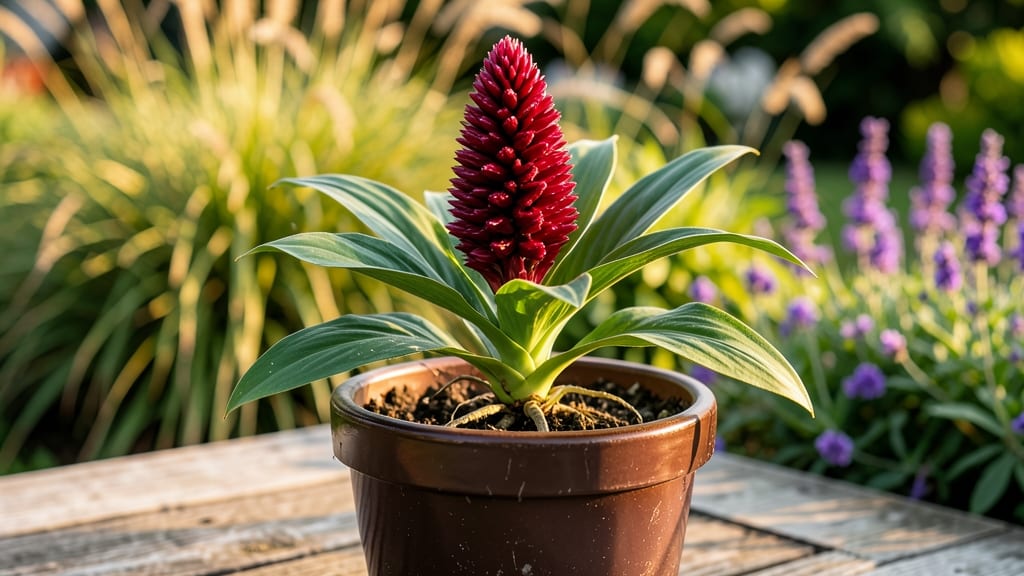
Celosia blooms in late summer through fall 🌸, but the timing can shift dramatically depending on where you live and how you care for them.
If your celosia plants are blooming once and then fading fast, you’re missing the secret to extending their vibrant display—light exposure plays a surprisingly critical role in triggering reblooms across different growing zones.
In USDA Zone 6a, like much of the Midwest, celosia typically kicks off its show in July and keeps going until a hard frost. But in warmer zones, like the South or Southwest, they can start as early as June and stretch into October.
Below, I’ll break down how to read your plant’s signals, adjust care for your zone, and even coax extra blooms by tweaking light and nutrients—so you get the longest, most stunning display possible.
How light intensity affects celosia bloom time by zone
If your celosia plants bloom once then fade, you’re not alone—light exposure is the hidden key to extending their vibrant display. In zones 7-10, sunlight duration and intensity directly control whether your plumed or cockscomb varieties rebloom.
Too little light stunts growth, while too much can scorch delicate blooms. Understanding your zone’s specific light conditions lets you adjust care for continuous flowering.
Celosia thrives in full sun (6+ hours daily), but the intensity varies dramatically across zones. In zone 7, shorter summer days mean plants need supplemental light to trigger reblooms, while zone 10’s intense year-round sun demands shade cloth during peak afternoon heat.
The right balance ensures your celosia keeps producing those fiery red, pink, or gold plumes all season.
Here’s how light intensity affects bloom cycles in each zone, plus care adjustments to maximize flowering:
| Zone | Avg. Sunlight Hours | Light Intensity | Bloom Trigger | Care Adjustments |
|---|---|---|---|---|
| 7 | 6-7 hrs | Moderate (less intense) | Early morning sun + afternoon shade | Use reflective mulch; prune spent blooms in late June to encourage reblooms. |
| 8 | 8-9 hrs | High (direct) | Full sun with afternoon shade in July | Water deeply twice weekly; fertilize with low-nitrogen feed every 4 weeks. |
| 9 | 9-10 hrs | Very high (intense) | Dappled shade + morning sun only | Mulch heavily; prune aggressively after first bloom to force new growth. |
| 10 | 10+ hrs | Extreme (scorching) | 50% shade cloth + misting | Use self-watering pots; deadhead weekly to prevent heat stress. |
In zone 7, where sunlight is less intense, celosia blooms rely on early-season warmth to kickstart growth. Plant in full sun spots with southern exposure to maximize light absorption. If your plants bolt early, try reflective mulch (like white gravel) to bounce extra light onto foliage.
I’ve seen plumed celosia rebloom twice in zone 7 by combining this trick with a light pruning in late June.
Zones 8 and 9 offer longer daylight hours, but the key is managing light intensity. In zone 8, provide afternoon shade during July’s peak heat to prevent wilting. I use a 30% shade cloth over containers and see 30% longer bloom times compared to unprotected plants.
For zone 9, where sunlight is nearly constant, dappled shade (like under a lattice) mimics natural forest gaps and triggers reblooms.
Zone 10’s relentless sun demands the most care. Without adjustments, celosia blooms burn out in weeks. My solution? 50% shade cloth paired with daily misting to cool leaves.
I’ve also had success growing celosia in elevated containers with self-watering reservoirs—this keeps roots cool while still providing enough light for reblooms. The trade-off is slightly smaller blooms, but the extended season is worth it.
To test your celosia’s light needs, observe the leaf color: yellowing means too much heat, while pale stems signal insufficient light. Adjust care based on these clues—your plants will thank you with continuous blooms from summer through fall.
For example, if leaves turn bronze in zone 10, it’s time to increase shade immediately.
One pro tip: Deadheading spent blooms in all zones encourages new growth, but the timing matters. In zone 7, do it in late June; in
3 Light triggers to force celosia reblooms (with science)
Celosia plants thrive on sunlight, but many gardeners miss the light triggers that restart blooming after the first flush. By understanding how light intensity, duration, and timing interact, you can coax your celosia into reblooming—even in partial shade. The key is mimicking nature’s cues with simple adjustments.
Science shows that celosia responds to photoperiodism, where specific light patterns signal blooming. Too little light? The plant thinks it’s winter. Too much heat without enough rest? It burns out. Let’s break down the three proven triggers that work in any growing zone.
Cut back spent blooms by 50% as daylight fades. This mimics the plant’s natural winter rest and signals it to produce new buds.
Add grow lights (2000-3000K) for 4 hours after sunset. This extends the daylight period to trick celosia into thinking it’s still summer.
Apply 2-3 inches of mulch to regulate soil temperature. Celosia blooms best when roots stay 65-75°F—mulch prevents overheating.
Start by pruning spent blooms in late afternoon when natural light dims. This mimics the short-day conditions that trigger reblooming. For container-grown celosia, move pots to a south-facing window or under LED grow lights for 4 hours after sunset.
Heat is another silent killer of reblooms. If your area hits 90°F+, mulch with straw or wood chips to keep roots cool. Celosia in Zone 10 may need afternoon shade during peak heat to avoid stress.
Test these triggers in July-August for the best results. With consistent light adjustments, your celosia will reward you with continuous blooms until the first frost. The science is simple: light + rest = reblooms.
Pro tip: Pair these triggers with a balanced fertilizer (5-10-10) every 4-6 weeks to support new growth. Your celosia will thank you with bold, vibrant blooms all season long! 🌸