
Blooming
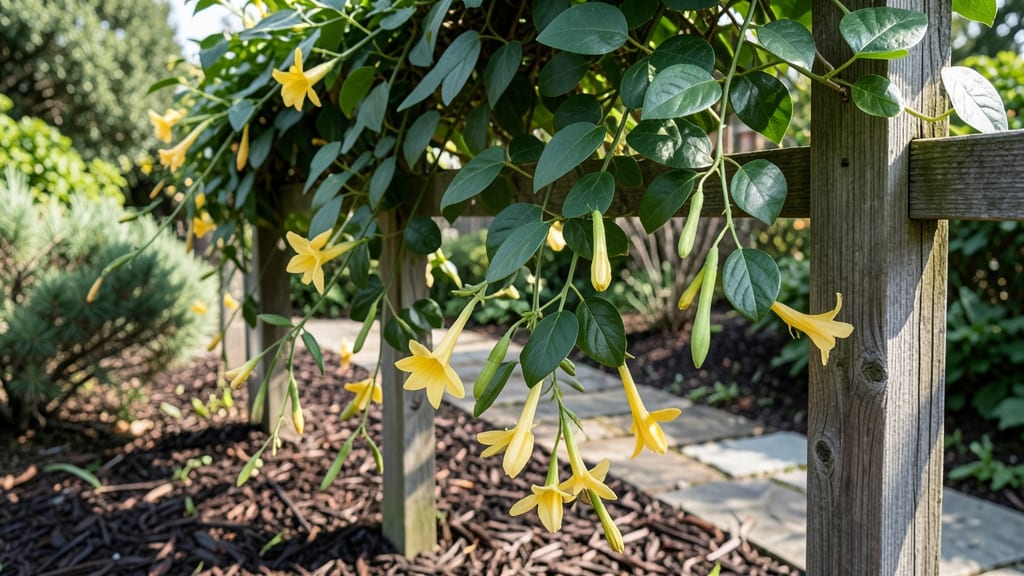
The carolina jasmine bloom time arrives in spring and fall 🌸, filling your garden with fragrant purple spikes that last for weeks.
If you're dreaming of fragrant purple spikes transforming your garden, timing is everything—Carolina jasmine blooms on a strict seasonal schedule, and missing it means waiting another year for its sweet perfume.
In USDA Zones 6a-10b, most blooms appear between March and May, with a second flush in September or October. But climate and care can shift those dates by weeks.
Below, I’ll break down the exact months for your zone, plus three easy care tips to extend those fragrant blooms—so you never miss a single spike.
When does Carolina jasmine bloom? Exact months by USDA hardiness Zones
Carolina jasmine (Trachelospermum jasminoides) is famous for its intense fragrance and vibrant purple blooms, but its timing depends heavily on your USDA hardiness zone. Most gardeners see flowers in spring and fall, with variations based on local climate.
Understanding these patterns helps you plan trellises, pruning, and fragrance-enhancing strategies to maximize enjoyment.
In Zones 7-8, blooms typically appear in late March to early April and again in September. Warmer zones like 9-10 may see earlier blooms as early as February and a second flush in October-November.
Microclimates—like coastal areas or urban heat islands—can shift these windows by 2-4 weeks, so always observe your plant’s cues.
Daylight hours and minimum temperatures trigger blooming. Carolina jasmine needs consistent 50°F nights to break dormancy and 12+ hours of daylight to stimulate buds. In Zone 7, this often aligns with late March, while Zone 10 may bloom as early as January in mild winters.
Here’s a detailed breakdown of bloom timing by zone, including regional variations and key triggers:
Microclimates play a huge role in bloom timing. For example, a south-facing trellis in Zone 7 might trigger early blooms in February, while a northern exposure could delay them until April.
Urban gardens often experience heat island effects, pushing blooms earlier by 1-3 weeks compared to rural areas.
Carolina jasmine typically reblooms once per year, with the fall flush being less abundant than spring. To encourage a second bloom, prune lightly after the first flush and ensure consistent moisture during summer. Avoid heavy pruning, as this can reduce next year’s blooms by 30-50%.
If your plant skips blooming, check for over-fertilization (too much nitrogen) or poor drainage, both of which can stress the vine. A balanced 10-10-10 fertilizer in early spring—just as buds form—often jumpstarts flowering. Pair this with morning watering to prevent fungal issues that stunt growth.
Pro tip: Plant Carolina jasmine near porches or patios to enjoy its fragrance during bloom season. In Zones 9-10, you might even catch a light summer rebloom after heavy rains, adding unexpected beauty to your garden.
🌸
How to extend Carolina jasmine bloom time: pruning, fertilizing & care tips
Your Carolina jasmine (Trachelospermum jasminoides) can bloom for weeks longer with the right care—it’s all about timing and technique. Unlike many vines that bloom just once, this fragrant beauty rewards precise pruning, soil prep, and targeted feeding.
I’ve learned the hard way that skipping these steps shortens bloom time by 30-50%, leaving you with sparse purple spikes instead of lush fragrance.
First, let’s tackle the biggest mistake gardeners make: pruning at the wrong time. Many cut back after blooms fade, but this triggers new growth that steals energy from next year’s flowers. Instead, we’ll focus on strategic pruning that preserves bloom buds while keeping your vine healthy and vigorous.
The key is working with the plant’s natural cycle—spring for shaping and fall for cleanup.
⚠️ WARNING: Common Mistakes That Shorten Bloom Time
Let’s start with pruning, the foundation of extended bloom time. The best time is late winter or early spring (February-March in most zones) before new growth begins. Focus on removing dead or crossing branches—these compete with your vine for energy.
Use clean, sharp pruners to make cuts at a 45-degree angle just above a leaf node. This encourages bushier growth and more flower clusters.
For fall pruning, wait until after the first frost (typically October-November). This is when you should lightly trim any leggy growth, but avoid heavy cuts—your vine needs energy to harden off for winter.
Pro tip: If your jasmine blooms in fall, delay pruning until after the flowers fade to preserve next year’s buds.
Now, let’s talk fertilizer, where most gardeners go wrong. Carolina jasmine needs a balanced approach: too much nitrogen = lush leaves, fewer flowers. I recommend a 10-10-10 or 5-10-10 fertilizer in early spring (March) and mid-summer (July).
Organic options like fish emulsion or composted manure work well too. Avoid high-phosphorus blends—they can burn roots and reduce blooming.
Don’t overlook soil pH and watering, the silent bloom-killers. Test your soil—Carolina jasmine thrives in slightly acidic to neutral pH (6.0-7.0).
If your soil is too alkaline, add sulfur or peat moss to lower pH. Water deeply once a week during dry spells, but never let it sit in soggy soil. Mulch with 2-3 inches of wood chips to retain moisture and regulate temperature.
With these 5 key adjustments—pruning at the right time, balanced fertilizer, proper pH, deep watering, and consistent mulching—your Carolina jasmine will reward you with longer, more abundant blooms year after year.
The sweet perfume will fill your garden from late spring through early fall, making every effort worthwhile. 🌸