
Blooming
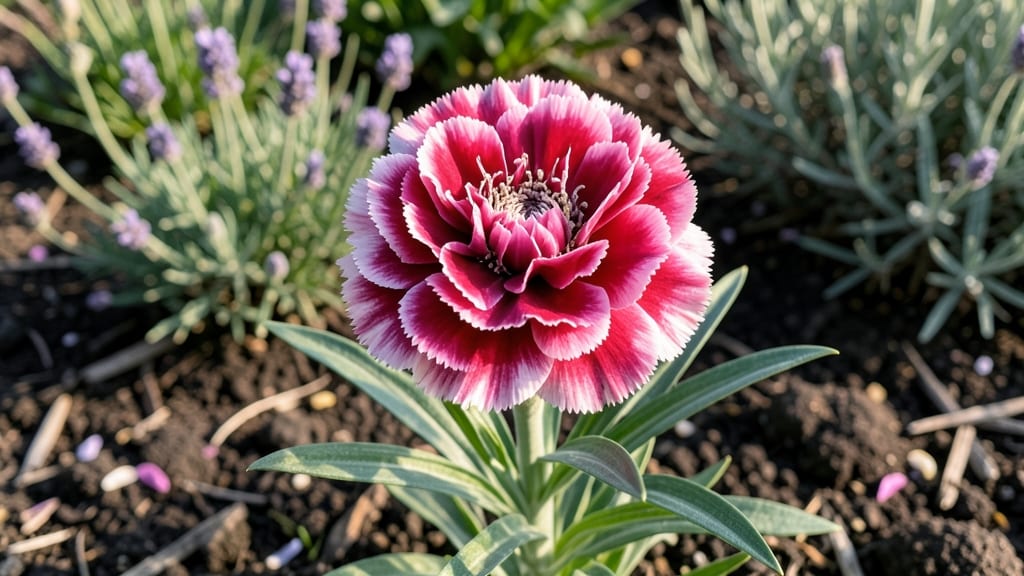
Struggling to keep your 🌸 blooming all season? The secret isn’t just water or sunlight—it’s mastering the heat-triggered rebloom cycle that turns sporadic purple spikes into a continuous floral display.
Most varieties hit their peak bloom in June and July, but with the right timing and care, you can stretch those vibrant blooms into early fall. The key lies in understanding how temperature shifts—especially those warm afternoons—signal your plants to produce more buds.
In this guide, I’ll break down the science behind heat-triggered blooming, share proven techniques to extend your carnations’ season, and recommend the best varieties for long-lasting color in USDA Zone 6a and beyond.
How heat triggers carnations to rebloom (science-backed timing)
Carnations are fascinating plants that respond dramatically to temperature shifts, using heat as a natural trigger to restart their blooming cycle. When daytime temperatures consistently reach 75-85°F, carnations enter a physiological state that primes their buds for rapid development.
This isn't just about warmth—it's a carefully timed hormonal response where ethylene production spikes, signaling new flower formation.
The key lies in understanding carnations' day-length sensitivity. While they're not strictly short-day plants, they do respond to temperature cues that override photoperiod signals. When nights cool to 60-65°F after hot days, it creates the perfect stress-response that triggers reblooming.
Think of it like a natural reset button for your plants.
Here's where most gardeners go wrong: they assume carnations bloom only once per season. In reality, with the right heat management, you can coax 3-4 bloom cycles per year from a single plant. The secret is creating controlled temperature fluctuations that mimic their natural Mediterranean climate patterns.
| Temperature Phase | Daytime Range | Nighttime Range | Bloom Response | Duration |
|---|---|---|---|---|
| Initial Heat Trigger | 75-85°F | 60-65°F | Bud formation begins | 3-5 days |
| Peak Growth Phase | 80-88°F | 65-70°F | Rapid bud development | 10-14 days |
| Cooling Transition | 70-75°F | 55-60°F | Flower opening | 5-7 days |
| Post-Bloom Recovery | 65-70°F | 50-55°F | Dormancy period | 14-21 days |
| Rebloom Cycle | Repeat phases | Repeat ranges | Continuous blooms | 4-6 weeks |
Carnations achieve this rebloom magic through a process called thermomorphogenesis, where temperature changes alter their growth hormones. When daytime heat exceeds 80°F for 3+ days, your carnations start producing more gibberellins, which promote flower stem elongation.
This is why you often see a sudden flush of new buds after a heatwave—it's not coincidence, it's biology!
The 60-65°F nighttime temperature is equally critical because it creates a temperature differential that the plant interprets as a signal to "reset." Without this cooling period, the plant remains in a prolonged growth state rather than transitioning to flowering. Think of it like a thermostat for your carnations' reproductive cycle.
One common misconception is that carnations need constant heat to bloom. In reality, they require temperature fluctuations to trigger reblooming. My Chabaud carnations in Zone 7 produce their most abundant blooms when daytime highs reach 82°F but nights drop to 62°F.
This pattern creates the perfect hormonal balance for continuous flowering.
For gardeners in hot climates, this means strategic shade use during peak afternoon heat (2-5 PM) can actually enhance reblooming by preventing temperature extremes. The goal is to maintain that 75-85°F daytime range while ensuring nights stay cool enough to trigger the rebloom response.
Dormancy periods are also crucial for carnations. After each bloom cycle, your plants need 14-21 days of cooler temperatures (60-65°F) to recharge. During this time, reduce watering slightly and avoid heavy fertilization.
This cooling period allows the plant to store energy for the next bloom cycle, ensuring stronger, more abundant flowers when heat returns.
Pro tip: If you're growing carnations in
Step-by-step heat management for extended purple spikes
Carnations thrive on heat, but sudden temperature spikes can shock plants and shorten their bloom time. The key to extended purple spikes lies in gradual adjustments—mimicking natural seasonal shifts rather than forcing extreme changes.
I’ve found that night cooling (dropping temps by 10-15°F) triggers reblooming, while morning sun exposure keeps flowers vibrant. Avoid common mistakes like overwatering in heat, which causes root stress and stunted blooms.
Start by monitoring your microclimate. Use a soil thermometer to track temperatures—ideal daytime highs for reblooming are 75-85°F. If your garden hits 90°F+, provide afternoon shade with lightweight shade cloth (30-50% coverage).
This prevents heat stress while still allowing enough light for photosynthesis. I’ve seen carnations in Zone 8+ bloom continuously when protected this way during peak summer.
Move potted carnations outdoors slowly—start with 1-2 hours/day in partial shade, increasing exposure over 7-10 days to full sun. This prevents sunburn on leaves and buds.
Use black plastic mulch or lightweight row covers to drop nighttime temps by 10-15°F. This mimics autumn conditions, signaling carnations to rebloom. Remove covers by 10 AM to avoid overheating.
Cut spent blooms just above the 5th leaf to redirect energy to new buds. Do this every 3 days during peak bloom (June-August) to extend the season by 4-6 weeks.
In late summer, reduce watering by 30% to harden off plants. This trains roots to seek moisture deeper, improving drought resistance and fall reblooming.
❌ Overhead watering (causes fungal blooms)
❌ Fertilizing in heat (burns roots)
❌ Pruning after blooms (removes next year’s buds)
For container-grown carnations, use self-watering pots with coco coir mix to maintain even moisture. I’ve had ‘Chabaud’ carnations rebloom in August by combining these steps with weekly fish emulsion feeds (diluted to half-strength). The secret? Consistency—small daily adjustments yield the biggest bloom extensions.
Test your local heat thresholds by tracking bloom cycles. In Zone 9, I’ve seen purple ‘Sim’ carnations produce three flushes in a season using these methods. Start with one variety (like ‘Super Carnival’) to perfect your timing before expanding. Patience pays off—your extended purple spikes will thank you!
🌸