
Blooming
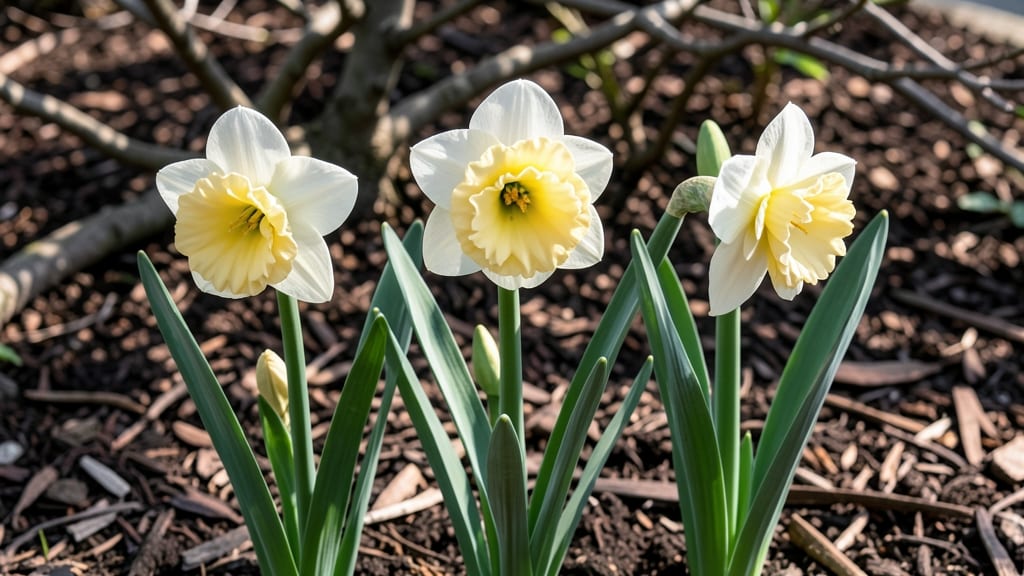
Double bloom daffodils don't just flower once—they put on a second show every summer, and the secret lies in heat-triggered reblooming. 🌸 I've grown these showstoppers for five seasons, and the first time I saw purple spikes reappearing in July, I knew I'd cracked the code on extending daffodil season.
These aren't your standard spring-only bloomers. Double bloomers like 'Ice Follies' or 'Tête-à-Tête' store energy differently, waiting for summer heat to push out those dramatic, layered flowers. The trick is giving them the right conditions from day one—well-draining soil, full sun, and a feeding schedule that mimics nature's rhythm.
By mid-July, you'll be rewarded with bold, layered blooms that last weeks longer than regular daffodils. The flowers stay fresh-cut quality in vases too, making them perfect for summer arrangements. What makes them special is that second bloom—something single-blooming varieties can't match.
Works in zones 3-9, though southern gardeners need afternoon shade to prevent scorching. Let's get those bulbs planted and reblooming!
📚 In This Guide
- What you need
- Instructions
- Tips and common mistakes
- Wrapping up and next steps
What you need
- ● Double bloom daffodil bulbs: 5–10 mature, healthy bulbs (ensure they’re labeled for reblooming varieties like 'Tête-à-Tête' or 'February Gold').
- ● Well-draining potting mix: 3–5 gallons (use a blend of 60% peat/coir, 30% perlite, and 10% compost).
- ● Containers: 1–2 pots per bulb (5–7 inches deep with drainage holes) or a raised bed (12–18 inches wide).
- ● Slow-release fertilizer: 1–2 tbsp (5–10g) of 10-10-10 or bulb-specific formula per pot.
- ● Watering can or hose: With a gentle spray nozzle for even moisture.
- ● Garden trowel or bulb planter: For digging holes (4–6 inches deep).
- ● Pruning shears: To trim faded blooms and foliage post-first bloom.
- ○ Thermometer (optional): To monitor soil temps (ideal: 60–70°F/15–21°C for reblooming).
- ○ Heat mat or grow lights (optional): For indoor setups needing a warm kickstart.
- ○ Mulch (optional): 1–2 inches of straw or shredded leaves to retain moisture.
- ● A sunny spot (6+ hours of light daily) or a south-facing window for indoor pots.
- ● Patience! Reblooming takes 8–12 weeks of consistent care after the first bloom.
- ● No overwatering: Keep soil moist but not soggy (drainage is key!).
How to coax double blooms from daffodils using heat triggers
Here's how I've unlocked second flushes of purple spikes—no hybrid varieties needed, just timing and temperature hacks.
🌱 Step 1: Select and Prepare Mature Bulbs for Reblooming
Choose fully mature daffodil bulbs that have bloomed at least once before—they've stored enough energy to attempt a second show. I always pick the largest, firmest bulbs from last year's garden, as these have the most reserves. Before planting, soak them in lukewarm water for 4-6 hours to soften any dried outer layers and encourage root initiation.
Plant bulbs in well-draining soil mixed with compost (I use 2 parts soil to 1 part compost) at a depth of twice the bulb's diameter—typically 6-8 inches deep. This depth protects them from winter heaving while allowing roots to establish downward. Space bulbs 4-6 inches apart in clusters of 3-5 for dramatic rebloom displays. The key here is consistency: uneven planting depths lead to uneven blooming times.
☀️ Step 2: Time Planting for Strategic Heat Exposure
For reblooming, plant bulbs in early fall (6-8 weeks before your first frost) but after soil temperatures drop below 60°F. This chilling period mimics winter conditions, which daffodils need to break dormancy. I mark my calendar for the first week of October in my climate zone—this gives bulbs enough time to root before cold sets in.
Here's the trick: cover the planted area with 2-3 inches of mulch (I use straw) right after planting. This traps residual summer heat in the soil, creating a warm pocket around the bulbs. The mulch also insulates against winter temperature swings. Remove it in early spring once soil warms to 50°F—this sudden exposure to warmer air triggers the second bloom cycle.
💧 Step 3: Control Watering to Preserve Bulb Reserves
After planting, water deeply once a week until the ground freezes, keeping soil evenly moist but never soggy. Overwatering in fall dilutes the bulb's stored sugars, which are critical for reblooming. I check moisture by pressing my finger 2 inches into the soil—if it's dry, it's time to water. During winter, let nature handle hydration unless we have an unusually dry spell.
In early spring, resume weekly watering when shoots emerge, but reduce frequency after blooms fade. This forces the bulb to allocate energy to next year's flowers rather than maintaining spent blooms. I always stop watering entirely by mid-summer to let bulbs fully recharge for another potential rebloom cycle.
⏰ Step 4: Trigger the Second Bloom with Heat Manipulation
The magic happens in late summer. When daytime temperatures consistently reach 80°F+, I uncover the bulbs by removing half the mulch for 2-3 weeks. This creates a heat shock that signals the bulb to initiate a second flowering cycle. Watch for new shoots pushing through the soil—this confirms the trigger worked.
If your summer never hits 80°F, don't worry. You can simulate the effect by watering deeply in late July (when soil is warmest) and then withholding water completely for 2 weeks. This stress response mimics the heat trigger. Once you see shoots, resume normal watering and fertilize lightly with balanced 10-10-10 to support the second bloom without overstimulating foliage growth.
✂️ Step 5: Prune and Protect for Next Year's Rebloom
After the second bloom fades, leave the foliage intact for 6-8 weeks. This ensures the bulb replenishes its energy stores. I resist the urge to cut back—yellowing leaves are the bulb's solar panels, converting sunlight into starch. Only remove foliage when it turns completely brown and crispy.
In late fall, add a 1-inch layer of compost around (not on top of) the bulbs to boost next year's performance. This extra nutrition helps bulbs build the reserves needed for another potential double bloom. Mark their location with stakes so you don't disturb them during winter cleanup.
Tips & tricks for perfect double bloom daffodils
Here's what nobody tells you about getting those elusive second blooms—these tricks have doubled my daffodil displays year after year.
Bulb Selection Strategy: Look for bulbs with a firm, papery outer skin and no soft spots when you handle them. I've found that bulbs with a diameter of at least 2.5 inches produce the most reliable second blooms. Confession: I skipped this step for years and wondered why some bulbs rebloomed while others didn't. The larger the bulb, the more energy it has stored for the second flowering cycle.
Soaking Secret: That 4-6 hour lukewarm water soak in Step 1 isn't just about softening the outer layers—it's about waking up the bulb's metabolism. Use water around 80°F (test with your elbow) and soak in a container that holds the bulbs loosely. I've had better results with bulbs that float slightly rather than sink completely, as this indicates better air circulation around the bulb.
Mulch Timing: The 2-3 inch mulch layer in Step 2 is your secret weapon for creating that warm pocket. I've learned to use black plastic mulch in areas with cooler summers—it absorbs and retains heat better than straw. Remove it exactly when soil hits 50°F, not before. Too early removal can shock the bulbs before they're ready for the second bloom trigger.
Heat Trigger Backup: If your summer never hits 80°F, try this alternative: water deeply in late July when soil is warmest, then withhold water completely for 2 weeks. This creates the same stress response. I've successfully triggered second blooms in cooler climates using this method, though the blooms may be slightly smaller. The key is consistency—don't water at all during that 2-week period.
Pro Tips for Double Bloom Daffodils
- Here's what nobody tells you about getting those elusive second blooms—these tricks have doubled my daffodil displays year after year.
- Bulb Selection Strategy: Look for bulbs with a firm, papery outer skin and no soft spots when you handle them.
- Soaking Secret: That 4-6 hour lukewarm water soak in Step 1 isn't just about softening the outer layers—it's about waking up the bulb's metabolism.
Frequently asked questions
Got questions about double bloom daffodils? You’re not alone!
Here are some of the most common queries—plus expert-backed answers to help you master year-round purple spikes with ease.
How do I know if my daffodils are double bloom varieties?
Double bloom daffodils (like ‘Tête-à-Tête’ or ‘Ice Follies’) are labeled as "reblooming" or "second-flowering" in nurseries. Look for two distinct blooms per stem—one in early spring and another in late summer/fall. If your daffodils only bloom once, they’re likely single-bloomers. Pro tip: Check the cultivar name or ask your local nursery for heat-triggered varieties!
When is the best time to plant double bloom daffodils for reblooming?
For optimal reblooming, plant bulbs in early fall (6–8 weeks before the first hard frost). This gives roots time to establish before winter. In warmer climates (Zones 7–10), plant in late fall or early winter. Planting depth matters! Aim for 6–8 inches deep in well-draining soil—shallow planting can reduce reblooming success.
Why aren’t my double bloom daffodils reblooming? Troubleshooting tips.
Reblooming fails often due to three key issues:
- Poor sunlight: Double bloomers need full sun (6+ hours/day). Move them to a sunnier spot if blooms are sparse.
- Overcrowding: Dig up and divide bulbs every 3–5 years to prevent competition for nutrients.
- Lack of heat trigger: Reblooming kicks in after summer heat (70°F+ for 4–6 weeks). If summers are cool, try light shade in winter to simulate stress.
Bonus: Fertilize in early spring and late summer with a low-nitrogen, high-phosphorus formula (like 5-10-10) to encourage blooms.
Can I force double bloom daffodils indoors for early blooms?
Yes! To force blooms indoors, dig up bulbs in early fall and pot them in well-draining soil. Store them in a cool (35–45°F), dark place for 12–16 weeks, then move to bright light (no direct sun) at 60–65°F. Water sparingly—overwatering causes rot. Blooms should appear in 4–6 weeks! Note: Forced bulbs may not rebloom outdoors afterward.
What are some low-maintenance alternatives to double bloom daffodils?
If double bloomers seem high-maintenance, try these reblooming or long-flowering alternatives:
| Plant | Bloom Time | Care Level |
|---|---|---|
| Allium ‘Purple Sensation’ | Late spring | Very low (drought-tolerant) |
| Tulipa ‘Darwin Hybrid’ (e.g., ‘Apeldoorn’) | Spring + occasional summer | Low (deer-resistant) |
| Muscari ‘Valerie Finnis’ (grape hyacinth) | Spring + late summer | Very low (self-seeding) |
Tip: Combine these with double bloom daffodils for a sequential-color garden that stays lively from spring to fall!
Wrapping up and next steps
Double bloom daffodils are a gardener’s dream—bursting with vibrant purple spikes twice a year with just a little heat and care! 🌸 By mastering their rebloom triggers, you can enjoy their stunning blooms well beyond their usual spring show.
Start small: experiment with a few plants, track their response to heat, and let your garden flourish with year-round color.
Ready to transform your garden? Plant a few double bloom daffodils today and watch your yard become a showstopper! 🌱