
Blooming
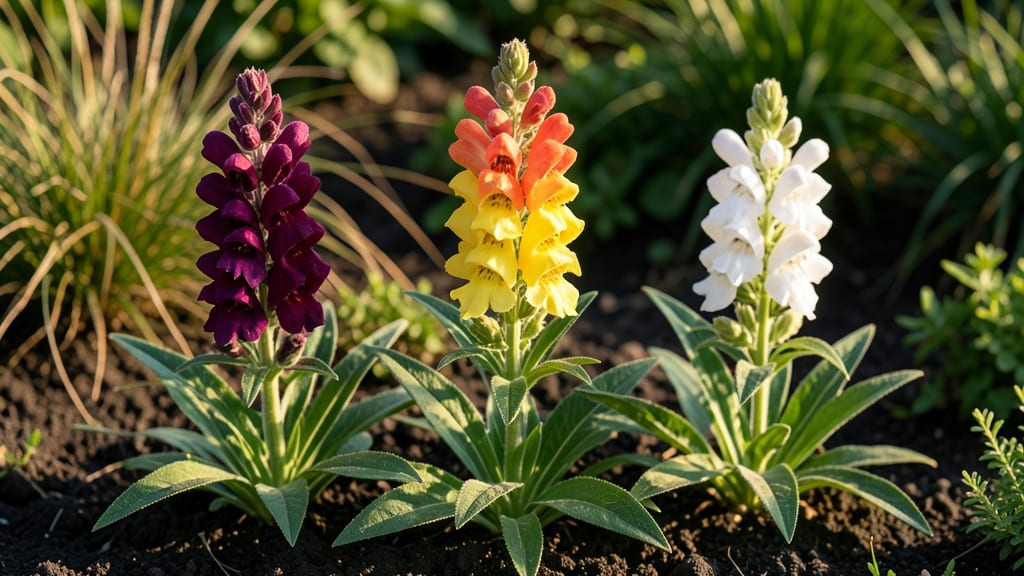
Snapdragon flowers bloom in late spring to early fall, but the exact timing depends on your USDA zone and variety 🌸 — and getting it right means vibrant blooms for months.
If you’ve ever planted snapdragons only to wait weeks for color, you’re not alone. These charming flowers need the right conditions to thrive, and a few simple adjustments can turn a slow start into a summer-long display.
In cooler zones like 6a, snapdragons typically burst into bloom by June, while warmer climates may see flowers as early as May. The key? Planting at the right time and providing consistent care to keep them flowering until frost.
Below, I’ll break down the best planting windows, how to extend your snapdragon’s bloom time, and which varieties perform best in your region for a garden full of color.
When do snapdragons bloom? Zone-specific months for best flowering
Timing your snapdragon (Antirrhinum) planting correctly ensures vibrant blooms when you need them most. These cool-season flowers thrive in USDA zones 3-10, but their bloom windows shift dramatically depending on your location.
In northern zones (3-5), expect blooms from late June through September, while southern zones (8-10) often see flowers from fall through early spring. Understanding these patterns helps you plan for continuous color in your garden.
Climate plays a crucial role in snapdragon flowering. Cooler temperatures (60-75°F) trigger blooming, while extreme heat (above 80°F) causes buds to drop. Day length also matters—snapdragons respond to longer daylight hours in summer, which is why they bloom later in northern climates than in the south.
By choosing the right varieties and planting times, you can enjoy snapdragons for up to 6 months in ideal conditions.
Here’s a quick reference for bloom timing by USDA zone, including early, mid, and late-season varieties to extend your flowering period:
| USDA Zone | Bloom Window | Best Varieties | Planting Time |
|---|---|---|---|
| Zones 3-5 | Late June - September | 'Matrix Hybrid', 'Black Prince' | March-April (after frost) |
| Zones 6-7 | May - October | 'Rocket Series', 'Liberty Hybrid' | February-March or August-Sept |
| Zones 8-10 | Fall - Early Spring | 'Tango Series', 'Rocket Mix' | September-October or January |
In USDA zones 3-5, snapdragons typically bloom from late June through September.
This delay occurs because cooler spring temperatures slow early growth, and plants need time to establish before flowering. Early varieties like 'Matrix Hybrid' can start blooming as early as June in warmer microclimates, while late varieties may extend flowering into early October if protected from frost.
For zones 6-7, snapdragons offer a longer bloom window from May through October. The key is to plant two batches: one in early spring (February-March) and another in late summer (August-September).
This succession planting ensures continuous blooms, with the first batch finishing just as the second begins. Mid-season varieties like 'Liberty Hybrid' thrive in these zones and produce bold, long-lasting flowers.
Gardeners in zones 8-10 enjoy snapdragons as fall and winter bloomers, with flowers appearing from September through March.
These warmer climates allow for year-round growth if planted at the right times. Late-season varieties like 'Tango Series' handle cooler fall temperatures well and often rebloom in winter if protected. Plant in September-October for fall color or in January for early spring blooms.
To maximize bloom time, adjust your planting schedule based on your zone. In cooler climates, start seeds indoors 8-10 weeks before last frost and transplant after soil warms to 50°F.
In warmer zones, direct-sow in fall for winter blooms or early spring for summer flowers. Deadheading spent blooms encourages new flowers, extending the season by 4-6 weeks.
Light also affects bloom timing. Snapdragons need 6+ hours of sunlight daily for best results. In shadier gardens, blooms may be smaller and less frequent. If your snapdragons aren’t flowering, check for overcrowding or nutrient deficiencies.
A balanced fertilizer (5-10-10) applied every 4-6 weeks during active growth keeps plants healthy and productive.
For continuous blooms, mix early, mid, and late varieties in your garden. For example, pair 'Black Prince' (early) with 'Rocket Series' (mid) and 'Tango Series' (late) to create a non-stop color show.
With the right zone-specific timing and care, your snapdragons can bloom for up to 6 months, making them a garden staple year after year.
How to extend snapdragon bloom time with planting and care tips
Want your snapdragons to bloom for weeks instead of just a few? The secret lies in smart planting strategies and consistent care. Snapdragons naturally produce flowers for 6-8 weeks with proper techniques, but with the right approach, you can push that to 10-12 weeks or longer.
The key is combining succession planting, deadheading, and nutrient management tailored to your climate.
Northern gardeners (USDA zones 3-6) face shorter growing seasons, so timing is critical. Southern growers (zones 7-10) can extend blooms through fall by choosing heat-tolerant varieties. Both regions benefit from light adjustments—snapdragons need 6+ hours of sun daily but can suffer in extreme heat.
Let’s break down the proven methods to maximize your snapdragon’s flowering season.
For northern climates, focus on early spring planting (March-April) and protect plants with lightweight row covers if frost threatens. Southern gardeners should avoid planting too early—wait until soil temps reach 50°F to prevent rot. Both regions should prioritize well-draining soil to prevent root stress, which shortens bloom time.
Pro tip: Mix snapdragons with companion plants like marigolds or nasturtiums. These deter pests that target snapdragons, reducing stress and prolonging flowering. Marigolds, in particular, improve soil health with their natural pest-repelling properties.
With these strategies, your snapdragons can bloom from early summer to early fall, providing vibrant color for months. The effort is minimal but yields dramatic results—just remember to deadhead regularly and adjust care based on your local climate. Happy gardening! 🌸