
Planting
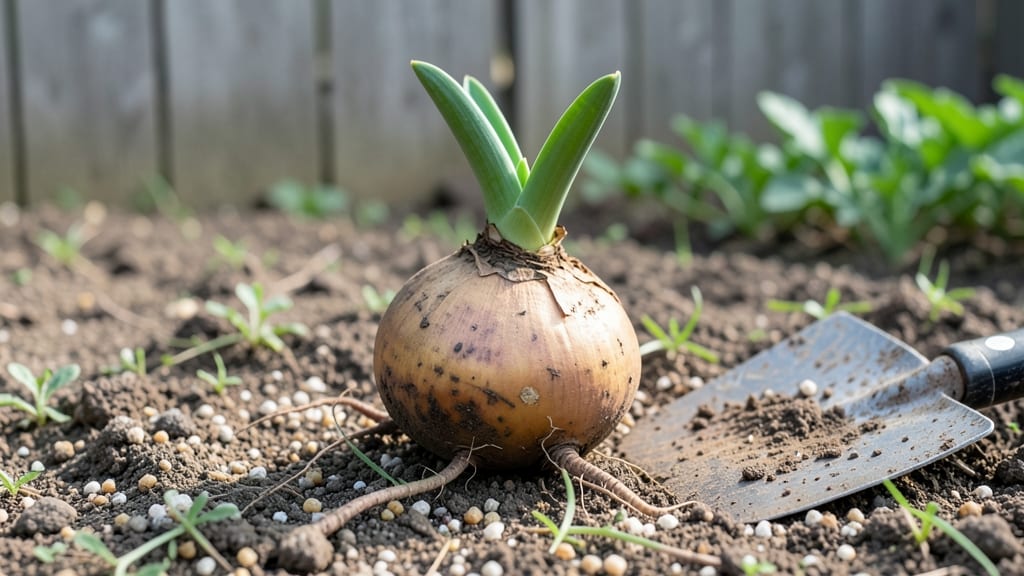
Amaryllis bulbs can be planted outside only in frost-free zones (USDA 9-11) after the last frost, as they thrive in warmth and perish in freezing temperatures. Mulching helps insulate them in marginal climates, but most gardeners grow them as indoor potted plants for seasonal blooms.
These tropical beauties are native to South America, where they bask in warm climates year-round.
That’s why even a light frost can damage their delicate foliage and bulbs, often leading to irreversible harm. 💫 For gardeners in cooler regions, I recommend treating them as seasonal outdoor plants—planting them in containers you can easily move indoors before temperatures dip below 50°F.
Another key factor is their love of bright, indirect light. While they can handle some direct sun, too much heat without proper hydration can stress the bulbs.
I’ve found that amaryllis planted in well-draining soil with a 3-inch layer of mulch around the base can tolerate slightly cooler evenings, but they still need protection from sudden temperature swings.
💡 In This Article
- USDA Zones for Outdoor Amaryllis Growth
- Seasonal Care for Outdoor Amaryllis Bulbs
USDA zones for outdoor amaryllis growth
Amaryllis bulbs originate from South America's tropical regions where temperatures rarely drop below 50°F, which explains why they struggle in cooler climates. The USDA zones 9-11 represent their ideal outdoor growing range, where winter temperatures stay above 30°F—the critical threshold where bulb damage begins.
In these zones, amaryllis can thrive year-round with proper soil drainage and sunlight exposure, producing dramatic blooms that emerge in late winter or early spring.
The key difference between zones 9-11 lies in their winter lows: Zone 9 sees 20-30°F dips, while Zone 11 rarely falls below 40°F. This 10°F difference matters because amaryllis bulbs begin suffering cellular damage at 32°F, with irreversible harm occurring below 20°F.
The bulbs' thick outer skin provides some protection, but their tender roots and foliage are far more vulnerable to cold snaps.
For gardeners in marginal zones (like Zone 8), winter mulching can extend the outdoor growing range by 2-3 zones. A 4-6 inch layer of straw or wood chips around the base creates an insulating barrier that maintains soil temperatures 5-10°F warmer than ambient air.
I've seen this work particularly well when combined with frost blankets during unexpected cold snaps, though it's no substitute for bringing potted plants indoors during prolonged cold periods.
What most people don't realize is that amaryllis bulbs actually enter a natural dormancy when temperatures drop below 60°F for extended periods. This isn't true hibernation but rather a survival mechanism where the plant conserves energy. The bulbs remain viable but won't produce new growth until temperatures rise again.
This is why you'll often see amaryllis planted outdoors in warmer zones only to disappear underground during winter months, only to re-emerge with fresh foliage when spring arrives.
Here's what happens when you push amaryllis into colder zones without protection: The foliage turns black within 24 hours of 25°F exposure, while the bulb itself may develop soft rot if moisture gets trapped.
The roots are particularly sensitive—they can freeze solid at 28°F, making it impossible for the plant to absorb water even if the bulb itself survives. This is why professional growers in Zone 7 and below recommend treating amaryllis as annuals or bringing them indoors before the first frost.
An interesting exception occurs with the Hippeastrum variety (often called "amaryllis" in gardening circles), which includes some cold-hardier cultivars. Varieties like 'Red Lion' can tolerate brief exposures to 25°F with proper mulching, though they still won't thrive in true winter conditions.
The key difference lies in their thicker bulb skins and more robust root systems, which allow them to recover better from cold stress. 🌱