
Shrubs
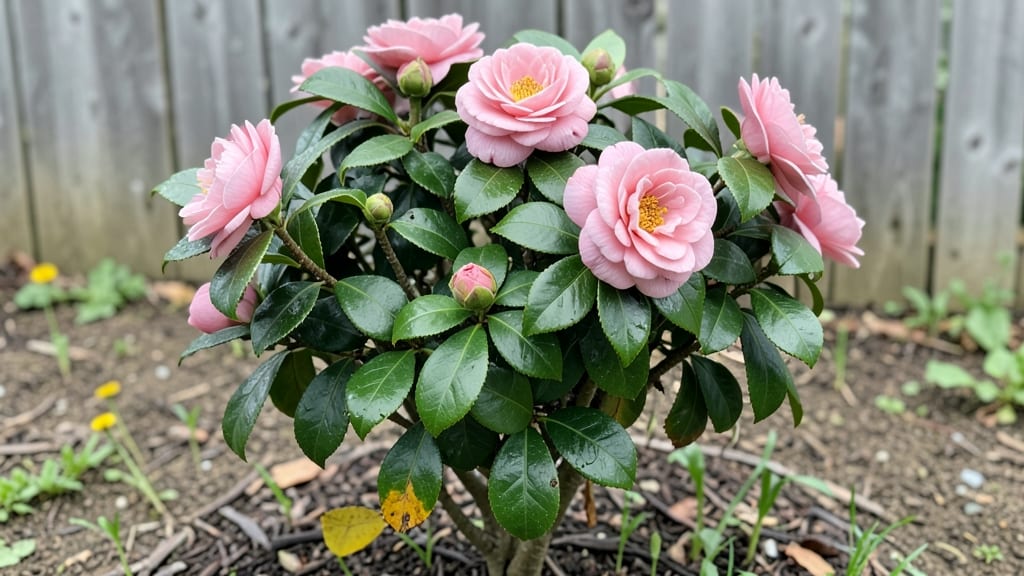
Growing a camellia flowering shrub 🌸 means adding a touch of elegance to your garden that few other plants can match, with blooms that last from late fall through spring.
Imagine a garden that bursts with vibrant camellia blooms year-round—lush, fragrant, and effortlessly stunning. The secret lies in mastering the year-round care of this prized flowering shrub, from winter dormancy to summer heat resilience.
But here’s the catch: these beauties thrive only when you get a few key things right—acidic soil, the perfect balance of sun and shade, and a watering routine that keeps them happy without drowning them.
In this guide, I’ll walk you through everything you need to know to keep your camellia blooming like a pro, from planting tips to seasonal care that ensures those show-stopping flowers keep coming back year after year.
Camellia flowering shrub care guide: soil, sunlight, and seasonal needs
Camellias thrive when their soil, sunlight, and seasonal care align perfectly with their natural needs. These elegant shrubs demand acidic soil and gentle sunlight to produce their iconic blooms. Without the right conditions, you might struggle with bud drop or stunted growth—common issues I’ve helped gardeners solve over the years.
First, let’s tackle the soil requirements. Camellias are finicky about pH, preferring a range between 5.0 and 6.0.
If your soil tests higher, amend it with sulfur or peat moss to lower the pH. I once had a client whose camellia refused to bloom until we adjusted the soil—now it’s a showstopper every winter!
| Care Factor | Ideal Specification | Troubleshooting Tip |
|---|---|---|
| Soil pH | 5.0–6.0 (acidic) | Test soil yearly; amend with sulfur if pH rises above 6.0 |
| Sunlight | Partial shade (2–4 hours morning sun) | Avoid afternoon sun in hot climates; use shade cloth if needed |
| Watering | Deep soak (1–2 gallons weekly) | Water at soil level, not leaves; mulch to retain moisture |
| Seasonal Adjustments | Reduce water in winter; fertilize in spring | Avoid summer pruning; wait until after blooming season |
| Mature Size | 3–20 ft (dwarf to standard) | Prune annually to maintain shape and airflow |
When it comes to sunlight exposure, camellias prefer partial shade—think dappled light or morning sun with afternoon shade. In my Zone 8 garden, I planted mine under a large oak tree to filter harsh afternoon rays.
If your camellia isn’t blooming, check if it’s getting too much direct sun, especially in hot climates like Southern California.
Watering is another critical factor. These shrubs hate soggy roots but also drought stress. Aim for a deep soak once a week during growing seasons, then reduce to bi-weekly in winter.
I use a soaker hose to deliver water directly to the roots, which prevents fungal issues and keeps the foliage dry—a must for camellias prone to bud blight.
Seasonal care is where many gardeners stumble. For example, spring is prime time for fertilizing with an acidic, high-phosphorus blend (like 8-3-6) to encourage blooms. In summer heat, reduce watering slightly and avoid heavy pruning, as new growth is vulnerable to stress.
I’ve seen camellias drop buds when stressed—always prioritize consistent moisture over overwatering.
If your camellia’s leaves turn yellow, it’s often a sign of overwatering or alkaline soil. Test your soil and adjust as needed. For potted camellias, use a mix of peat moss and pine bark to maintain acidity.
I repot mine every 2–3 years to refresh the soil and prevent root bind, which can stunt growth.
One of my favorite tricks is mulching with pine straw or shredded bark. This keeps the soil cool, retains moisture, and slowly acidifies the soil over time. Plus, it looks stunning under those glossy evergreen leaves! Just keep the mulch 2–3 inches away from the trunk to prevent rot.
For winter care, camellias in colder zones (like Zone 6) may need winter protection. Wrap young plants with burlap or use a lightweight frost cloth if temperatures drop below 15°F. Mature camellias are hardier, but a thick layer of mulch helps insulate roots during freezing spells.
Finally, watch for pests like scale insects or aphids, which love camellia sap. I treat mine with a neem oil spray in early spring before buds form. Regularly inspect the undersides of leaves—early detection is key to preventing infestations that can weaken your shrub.
With these soil, sunlight, and seasonal adjustments, your camellia will reward you with vibrant, long-lasting blooms year after year. Start with the basics, monitor your plant’s response, and don’t hesitate to tweak your approach—every garden is unique! 🌸
How to prune and fertilize camellias for non-stop blooms
Pruning and fertilizing your camellia flowering shrub is the key to encouraging those vibrant, long-lasting blooms you adore. Unlike many shrubs, camellias bloom on old wood, which means you need a gentle touch with your pruners.
The right timing and technique can transform your camellia from a scattered bloomer into a year-round floral masterpiece. I’ll show you how to do it without sacrificing next year’s flowers.
Start by understanding that camellias bloom in late fall to early spring, so your pruning schedule should align with this cycle. The goal is to shape the plant while preserving the flower buds that form on last year’s growth.
Pair this with a seasonal fertilizer routine, and you’ll have a camellia that thrives and delights you with non-stop color. Let’s dive into the specifics to keep your camellia looking its best.
Never prune your camellia flowering shrub after the blooms appear. Pruning at this time removes next year’s flower buds, which form on old wood during the previous growing season.
This can result in fewer or no blooms the following year. Always prune right after flowering (late spring) or in early summer to allow time for new buds to develop.
When it comes to pruning, timing is everything. The best time to prune is immediately after your camellia finishes blooming, typically in late spring or early summer. This gives the plant enough time to form new flower buds for next season.
Use clean, sharp pruners to make 45-degree cuts just above a bud or leaf node. Avoid heavy pruning—remove only dead, diseased, or crossing branches to maintain the plant’s natural shape.
For fertilizing, acid-loving camellias thrive with a balanced, acidic fertilizer like an 8-3-6 NPK ratio. Apply fertilizer in early spring and again in late fall to support root growth and bloom production.
Organic options like fish emulsion or cottonseed meal work well, but synthetic fertilizers labeled for acid-loving plants are also effective. Always follow the package instructions to avoid over-fertilizing, which can harm your camellia.
Don’t forget to water deeply after fertilizing to help nutrients reach the roots. Mulch around the base of your camellia with pine bark or compost to maintain acidic soil conditions and retain moisture.
This combination of pruning, fertilizing, and mulching will keep your camellia healthy, lush, and blooming for years to come.
If you notice yellowing leaves or poor blooming, it might be time to adjust your care routine. Camellias are sensitive to soil pH, so test your soil annually and amend with sulfur or peat moss if needed to keep the pH between 5.0 and 6.0.
With these steps, your camellia flowering shrub will reward you with stunning, year-round blooms that turn heads in every season. 🌸