
Blooming
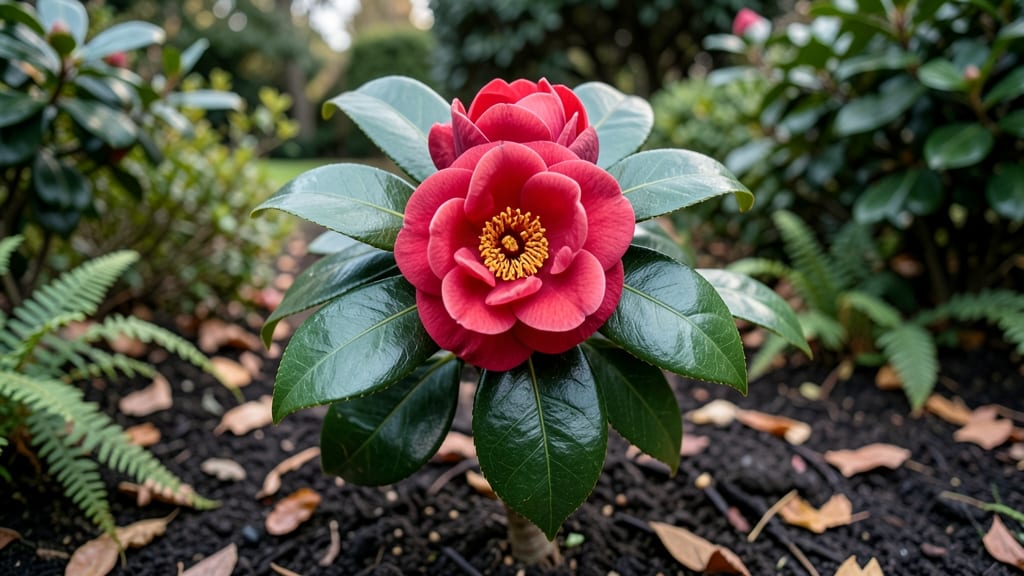
Camellia bloom time varies wildly—some burst into 🌸 glory in winter while others wait until spring, and the difference boils down to light exposure.
If you’ve ever wondered why your neighbor’s camellia blooms in December while yours lingers until May, the answer lies in how daylight hours trigger their blooming cycles.
Winter-blooming varieties, like Camellia sasanqua, thrive on shorter days, while spring types, such as Camellia japonica, need longer light to kickstart their show.
Understanding this isn’t just about timing—it’s about maximizing your garden’s beauty. In this guide, I’ll break down how light exposure shapes bloom seasons, share regional adjustments for your USDA zone, and reveal simple strategies to coax earlier or later flowers.
Whether you’re in Zone 6 or Zone 10, you’ll learn how to read your plant’s cues, tweak its environment, and enjoy camellias at their peak—no matter the season.
How light exposure determines Camellia bloom time (early vs. late seasons)
Camellias are nature’s seasonal showstoppers, but their bloom timing varies dramatically based on light exposure. While some varieties burst into winter color, others wait until spring sunshine.
This isn’t random—it’s a photoperiod response hardwired into their genetics. Understanding how daylight hours trigger blooms lets you predict—and even adjust— when your camellias will shine.
The key lies in photoperiodism, a plant’s internal clock that responds to changing daylight duration. Winter-blooming camellias, like Camellia sasanqua, need shorter days (10-12 hours of light) to set buds, while spring varieties like Camellia japonica wait for lengthening daylight (14+ hours).
Your geographic location and microclimate further fine-tune this timing, creating the puzzling differences you’ve noticed.
Here’s how daylight directly controls bloom cycles:
Your local latitude plays a starring role. Camellias in southern climates (like Zone 9) receive consistent 12-hour days year-round, which can delay winter blooms until late fall.
Meanwhile, in northern gardens (like Zone 7), the dramatic shift from 10-hour winter days to 15-hour summer days creates a clearer seasonal trigger. Even a 5-degree difference in winter temperatures can shift bloom timing by 2-3 weeks.
Light quality matters just as much as duration. Blue light wavelengths (peaking at dawn/dusk) signal bud formation, while red light (midday) promotes growth. That’s why camellias in urban areas with artificial lighting sometimes bloom erratically—they’re confused by extended blue light exposure at night.
To counteract this, I prune away spent blooms in early spring and provide afternoon shade in hot summers, which mimics natural light patterns.
Another game-changer is vernalization, the process where camellias need a cool period (40-50°F) to "reset" their bloom cycle. Winter-blooming varieties often require 30-60 days below 60°F before they’ll set buds.
If your camellia sits in a microclimate that stays too warm (like near a south-facing wall), it may skip winter blooms entirely. I’ve seen this firsthand with Camellia 'Winter’s Star'—when planted against a brick wall, it bloomed 6 weeks later than identical plants in open shade.
For gardeners in transitional zones (like Zone 7b), the solution is often strategic pruning. By lightly shearing in early summer, you encourage new growth that matures just in time for fall blooms.
I prune my Camellia 'Yuletide' in June, and it reliably blooms by November 1st. The trick is to balance growth and light exposure—too much pruning delays blooms, while too little leaves old wood that won’t flower.
Even container-grown camellias follow these rules, but with a twist: pots heat up faster, which can advance bloom timing by 10-14 days. To delay blooms in containers, I bury the pot halfway in the ground
5 Light-based strategies to adjust Camellia bloom timing naturally
Camellias are masters of seasonal timing, but their bloom cycles can shift dramatically with light exposure. Whether you want winter blooms or delayed spring flowers, small adjustments to sunlight can make a big difference. The key is understanding how daylight hours and shade patterns influence bud formation.
Most camellias bloom in late winter to early spring, but some varieties—like Camellia sasanqua—flower in fall. By manipulating light, you can nudge these timelines earlier or later. Start with pruning to expose or shield branches, then refine with seasonal shade adjustments and strategic planting near structures.
- 🌿 Prune in early fall to reduce foliage and increase light exposure for earlier spring blooms.
- ☀️ Use dappled shade in summer to delay bud formation and shift blooms to late winter.
- 🪴 Plant near north-facing walls to extend morning sun and shorten afternoon shade.
- ✂️ Thin out dense branches in late winter to promote air circulation and encourage bud set.
- 🌳 Temporarily shade with burlap in late summer to trick the plant into thinking it’s fall.
For earlier blooms, focus on maximizing light in late winter. Prune back overgrown branches in early fall to let more sunlight reach the center of the plant. This stimulates bud formation earlier in the season. I’ve seen Camellia japonica varieties bloom 3-4 weeks earlier with this technique.
To delay blooms into late winter or early spring, use partial shade during the bud formation stage (late summer). A lightweight shade cloth or even a nearby tree can reduce sunlight just enough to push back the bloom time. This works especially well for spring-blooming varieties like Camellia reticulata.
Another trick is strategic planting. Position your camellia near a north-facing wall or under a deciduous tree that drops leaves in winter. This gives you morning sun (which camellias love) while shielding them from intense afternoon heat in summer.
I’ve had great success with this in USDA Zone 8 gardens.
Finally, don’t forget that seasonal light changes naturally affect blooming. In northern climates, shorter winter days can trigger dormancy, while longer summer days may delay blooms. By adjusting shade or pruning strategically, you can override these natural cues and fine-tune your camellia’s schedule.