
Planting
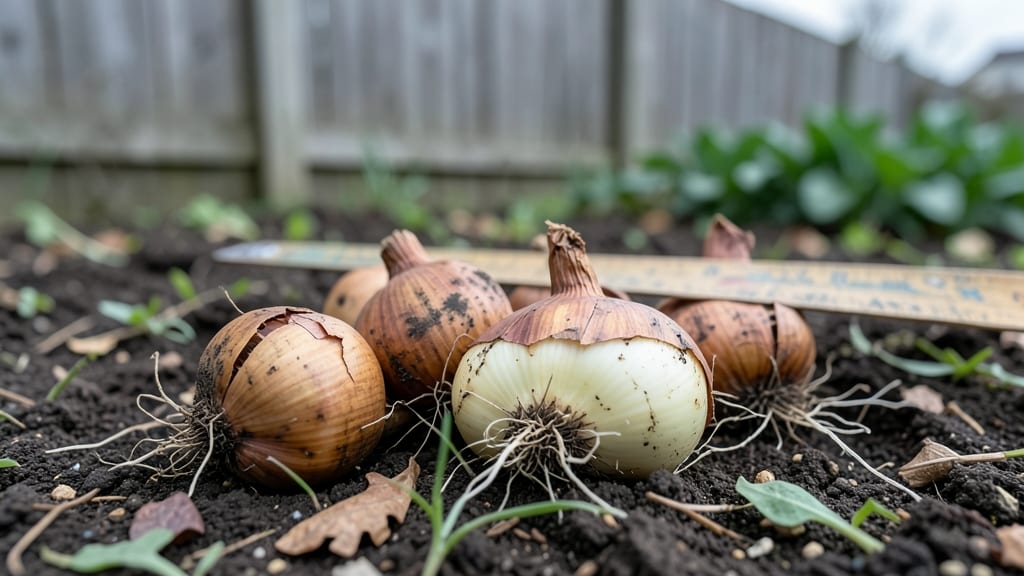
Bulb planting depth depends on bulb size—typically plant at 2 to 3 times the bulb’s height, with the pointy end facing upward. Smaller bulbs (like crocuses) need shallower depths, while larger ones (like tulips or daffodils) require deeper placement for optimal root growth and winter protection.
Getting the depth right isn’t just about following a rule—it’s about creating the perfect environment for those roots to thrive. 🌱 For instance, a 3-inch crocus bulb planted at 2 inches depth will sprout faster than one buried deeper, while a 2-inch tulip bulb needs 6 inches of soil to insulate it through winter.
The key is balancing protection from frost with enough room for roots to spread outward before spring arrives.
Don’t overlook soil type either—sandy soil drains faster, so bulbs need slightly deeper planting to hold moisture, while heavy clay can suffocate roots if planted too deep. A quick trick?
Use your finger as a guide: for most bulbs, the depth should reach about one finger-width beyond the bulb’s top. This small adjustment makes all the difference in bloom success.
💡 In This Article
- How to Measure Bulb Planting Depth by Type
- Best Soil Conditions for Proper Bulb Root Development
How to measure bulb planting depth by type
Here's what's actually happening when you plant bulbs: the depth determines how well roots can establish before winter dormancy. For most spring-blooming bulbs like tulips and daffodils, aim for 6-8 inches of soil coverage.
This depth provides insulation against freezing temperatures while allowing roots to spread horizontally. Smaller bulbs such as crocuses or snowdrops only need 2-3 inches—their delicate roots don't need as much protection.
The key factor is the bulb's natural growth pattern. Tulip bulbs, for example, have a 2-inch diameter but develop roots that spread 12-18 inches wide. Planting them too shallow risks frost damage to emerging shoots, while burying them too deep starves the roots of oxygen.
A simple trick: hold the bulb in your palm with the pointy end up—your middle finger's first knuckle typically marks the perfect planting depth for most varieties.
Soil texture dramatically affects depth requirements. In sandy soil, which drains quickly, bulbs need 1-2 inches deeper planting to retain moisture during root development. Conversely, clay-heavy soils should have bulbs planted 1 inch shallower to prevent waterlogging.
For example, a 3-inch hyacinth bulb would go 7-8 inches deep in sandy soil but only 6 inches in clay.
What most people don't realize is that planting depth affects bloom time. Deeper planting delays flowering by 1-2 weeks as roots take longer to reach the surface.
This is why gardeners in colder climates often plant bulbs 1-2 inches deeper than the recommended depth—the extra insulation helps bulbs survive harsh winters without sacrificing bloom timing.
Consider these common bulb types and their ideal depths:
- Large bulbs (tulips, daffodils, hyacinths): 6-8 inches deep (3x bulb height)
- Medium bulbs (alliums, fritillaries): 4-6 inches deep (2.5x bulb height)
- Small bulbs (crocuses, snowdrops): 2-3 inches deep (1.5-2x bulb height)
For precision, use a planting gauge or even a ruler—just mark the depth based on your bulb's size. The goal is creating a snug fit where the bulb sits comfortably without being cramped. 🌱