
Flowers
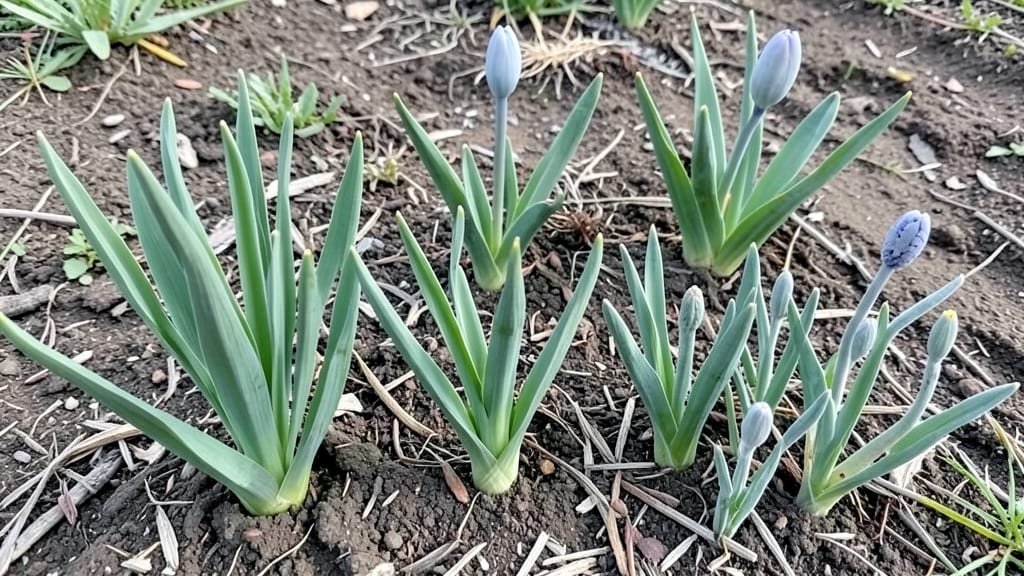
The identification of bulb foliage before blooms appear is easier than you think—each type has unique leaf shapes that reveal its identity long before flowers pop.
Ever wondered how to tell a tulip from a daffodil just by their leaves? Their foliage holds the key 🌱—narrow, grass-like strands for one, broad and strappy for another.
Spotting these differences early means you can plant them correctly, space them right, and avoid common garden mistakes that waste time and money.
This guide breaks down the most common bulb foliage types—from fern-like alliums to sword-shaped hyacinths—and shows you how to match them to their flowers. No more guessing whether that sprout is a crocus or a snowdrop before it blooms.
By the end, you’ll recognize foliage patterns like a pro, ensuring your garden thrives with the right bulbs in the right spots—starting with Zone 6 planting tips for fall.
How to identify common spring bulbs by leaf shape and growth pattern
Identifying spring bulbs by their foliage is a game-changer—especially when blooms haven’t appeared yet. Each spring bulb type has unique leaf characteristics that reveal its identity long before flowers emerge. For example, tulip leaves are long and lance-shaped, while daffodil foliage is strappy and flat.
Recognizing these differences helps you plan spacing, care, and even pest control before blooms steal the show.
Why focus on leaves? Bulb foliage emerges weeks before flowers, giving you a head start on garden planning. Misidentifying bulbs can lead to overcrowding, incorrect care, or even accidental removal of prized plants.
By mastering these leaf identification clues, you’ll transform your garden from guesswork to precision. Let’s dive into the key traits that set apart tulips, daffodils, hyacinths, and alliums.
Let’s start with tulips, which are among the most recognizable. Their lance-shaped leaves grow upright from a single stem, often appearing before the flower buds. Pay attention to the smooth edges and pointed tips—these are dead giveaways.
Tulip foliage can reach 12-24 inches tall and has a slightly waxy texture. If you spot these leaves in early spring, you’re likely looking at tulipa gesneriana or a hybrid variety.
Next, daffodils (or narcissus) have strappy, flat leaves that grow in clusters. Unlike tulips, daffodil leaves are broader and more flexible, often with a slightly wavy edge. They also emerge earlier than tulip leaves, sometimes even in late winter.
One pro tip: daffodil foliage often has parallel veins running lengthwise, which you can see if you hold a leaf up to the light. This trait is unique to daffodils among common spring bulbs.
Hyacinths stand out with their sword-like, narrow leaves that form a basal rosette. These leaves are stiff and upright, often with a blue-green hue. Unlike tulips or daffodils, hyacinth foliage grows in a circular pattern close to the ground. If you notice a cluster of these rigid leaves in early spring, you’ve likely found a hyacinthus orientalis. Their scent is another clue—hyacinths often release a sweet fragrance when leaves are fully grown.
Finally, alliums (like ornamental onions) have tubular, hollow leaves that feel almost round when squeezed. These leaves grow in clumps and can be very thin, often just 1/8" to 1/4" wide. Allium foliage is less common in home gardens but is prized for its architectural appeal.
Look for round, onion-like cross-sections to confirm—this is a dead giveaway for alliums. Their leaves also tend to yellow and die back earlier than other spring bulbs.
One of the easiest ways to confirm your identification is to observe the leaf arrangement. Tulips and daffodils grow leaves in a single stem or basal rosette,
Top 5 mistakes gardeners make when identifying bulb foliage
Identifying bulb foliage can feel like solving a puzzle—especially when you're staring at a patch of green before any flowers appear. Many gardeners make avoidable mistakes that lead to misidentification, which can throw off your entire planting plan.
For example, I once thought my tulip sprouts were hyacinths because the leaves looked similar at first glance. The key is paying attention to subtle differences in leaf shape, growth patterns, and timing.
One of the most common errors is ignoring leaf width. Broad leaves (like those of daffodils) are much wider than the narrow, grass-like leaves of alliums.
Another mistake is assuming all early sprouts are the same—some bulbs, like crocus, emerge much earlier than others and can be mistaken for weeds if you're not careful. Let’s break down these pitfalls so you can avoid them in your garden.
Many gardeners assume green leaves mean healthy growth, but yellowing or purple-tinged foliage can indicate stress, disease, or even a different bulb type. For instance, hyacinths often have a slight purple hue early on, while tulips stay green until they’re fully mature.
Always cross-check with leaf shape and growth habit.
Another frequent blunder is overlooking growth habits. Some bulbs, like fritillaria, grow in a fan shape, while others, such as grape hyacinths, have a more clustered appearance.
I’ve seen gardeners pull out what they thought were weeds only to realize they were early-emerging alliums with their distinctive spherical clusters. Pay attention to how the leaves arrange themselves—this is a game-changer for accurate identification.
Misidentifying early sprouts is another trap. Tiny shoots can look identical across bulb types, but their speed of growth and final size differ dramatically. For example, crocus leaves are slender and appear almost overnight, while tulip leaves take weeks to reach their full width. Keep a growth journal to track these differences over time—it’s a habit that saves countless mistakes.
Gardeners also often confuse broad-leafed bulbs like daffodils with hostas or lilies, which share similar foliage. The trick is to look at the base of the leaves: bulb foliage typically grows from a central point, while hostas have a more sprawling habit.
If you’re unsure, wait a few weeks—bulb flowers will emerge from the same spot as the leaves, confirming their identity.
Finally, skipping the soil check can lead to misidentification. Some bulbs, like rain lilies, thrive in wetter soils and may appear in areas where other bulbs wouldn’t survive. Always consider your garden’s microclimate and soil conditions when identifying foliage.
For instance, alliums often grow in drier, well-drained spots, while tulips prefer richer, moisture-retentive soil. These clues can be your secret weapon!