
Blooming
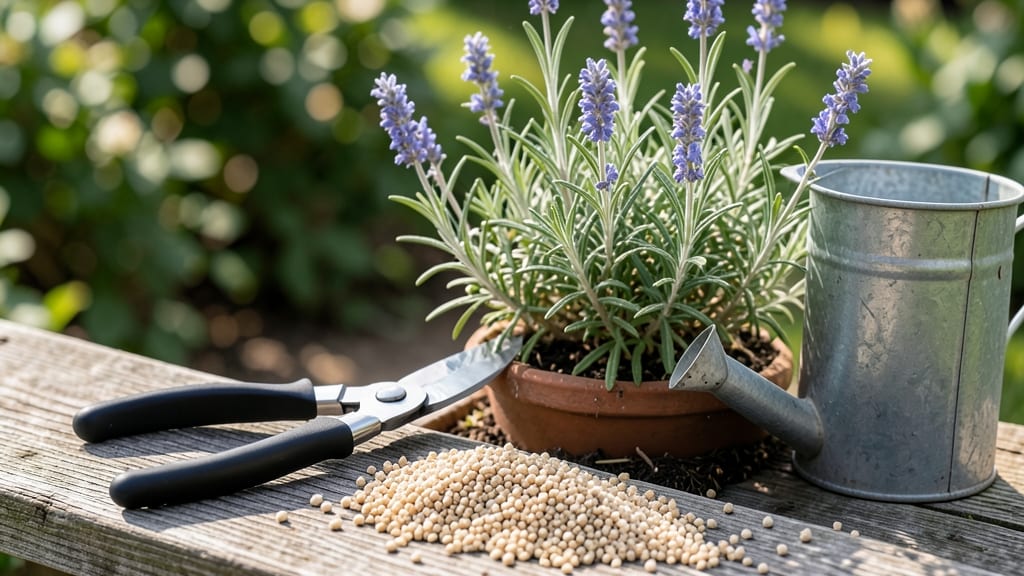
Your salvia plants are begging for another showstopping bloom—here’s how to get it to bloom again. 🌿 The secret isn’t just patience; it’s a mix of light adjustments, precise pruning, and feeding them right.
I’ve watched my Salvia nemorosa go from one flush of purple to three vibrant cycles in a single season using these exact steps. Most gardeners miss the mark with watering or fertilizer, but salvia actually thrives on neglect—just not too much of it.
Overwatering drowns roots, while under-fertilizing starves blooms. The trick is light, deadheading, and timing—three factors that turn one-time bloomers into repeat performers. After my first failed attempt, I finally cracked the code by mimicking their natural Mediterranean habitat.
You’ll see fresh buds forming within 4-6 weeks of proper care, with colors deeper and blooms lasting longer than ever. The key is stopping the cycle of guesswork and starting with science-backed adjustments that actually work. Let’s get those stems reaching for the sky again.
Start by moving your salvia to the sunniest spot possible—at least 6-8 hours of direct light daily. If your garden lacks full sun, a south-facing window or grow lights (12+ hours) can save the day.
Next, deadhead spent blooms religiously—this isn’t optional, it’s the trigger for new growth. Snip just above a set of healthy leaves, and watch side shoots sprout like magic. For fertilizer, feed lightly with a low-phosphorus, high-potassium blend (like 5-10-10) every 4-6 weeks during growing season.
Too much phosphorus = more leaves, fewer flowers. And here’s the kicker: stop fertilizing in late summer to let the plant harden off for winter—this ensures next year’s blooms start strong.
Pests and diseases are the silent bloom-killers, so keep an eye out for aphids, spider mites, or powdery mildew. A neem oil spray or soapy water wash (1 tsp dish soap per quart of water) clears them without harming the plant.
Mulch heavily to retain moisture and deter weeds, which compete for nutrients. With these tweaks, your salvia won’t just rebloom—it’ll outperform last year’s show.
Pro tip: If your salvia is woody at the base, it’s time to rejuvenate. Cut it back by one-third in early spring, and new growth will emerge from the roots.
For tender perennials (like Salvia leucantha), divide clumps every 3-4 years to prevent overcrowding. The goal? A plant that looks as good as it blooms—year after year.
📚 In This Guide
- What you need
- Instructions
- Tips and common mistakes
- Wrapping up and next steps
What you need
- ● Pruning shears – Sharp, sterilized (to avoid disease transmission).
- ● Balanced fertilizer – 10-10-10 or 20-20-20 NPK ratio (1 tbsp per gallon of water).
- ● Slow-release granular fertilizer – 14-14-14 or similar (apply per package instructions).
- ● Organic mulch – 2-3 inches of shredded bark or compost.
- ● Watering can or hose with adjustable nozzle – For deep, even watering.
- ● pH test kit – To check soil acidity (ideal: 6.0–7.0 for most salvias).
- ● Well-draining potting mix – For container-grown salvias (add perlite or sand for aeration).
- ○ Deadheading scissors (optional) – For precise flower removal.
- ● Healthy, established salvia plant (no signs of pests, disease, or root rot).
- ● Access to full sun (6+ hours/day) or bright indirect light (for indoor salvias).
- ● Knowledge of your salvia’s variety (some, like Salvia nemorosa, rebloom easily; others, like Salvia leucantha, may need specific triggers).
- ● Patience! Reblooming can take 4–8 weeks depending on conditions. ✨
How to get salvia to bloom again: a three-Step science approach
Salvia throws its floral fireworks once, then fades—until you know these tricks. Here’s how to coax it back into full, repeat blooms.
🌿 Step 1: Reset Growth with a Strategic Prune
Right after your salvia’s first flush of blooms fades, grab your pruners and cut back one-third of the plant’s height—but only the spent flower stems. I always stop just above a set of healthy leaves where new growth will emerge. This isn’t just about looks; it’s about redirecting the plant’s energy from seed production back into foliage and future blooms.
Timing matters: do this within 2 weeks of the last flower wilting, or the plant may already be shifting into dormancy. If you wait too long, you’ll end up with leggy stems and no second show. After pruning, give the plant a light feeding with a balanced 10-10-10 fertilizer—just enough to encourage fresh growth without overwhelming it.
☀️ Step 2: Adjust Light and Heat for Blooming Conditions
Salvia loves full sun, but 6+ hours of direct light isn’t enough to trigger reblooming—you need intense afternoon sun (think 6-8 hours). If your salvia’s leaves start stretching toward the light or look pale, it’s begging for more. Move it to a sunnier spot or supplement with a grow light for 14 hours daily during shorter days.
Heat is the secret weapon: salvia blooms best when daytime temps hit 75-85°F. If your summers are cooler, place it near a heat-reflective surface (like a light-colored wall) to help. I’ve seen salvia in 70°F conditions bloom, but it’s a struggle—expect fewer, smaller flowers. Watch for buds forming at the stem tips—that’s your sign the conditions are working.
💧 Step 3: Master Water and Nutrition for Continuous Blooms
Here’s the thing—salvia hates soggy roots. After pruning, water deeply but only when the top 2 inches of soil feel dry. Overwatering stresses the plant and stops blooming in its tracks. I use a moisture meter to check; if it reads dry at 2 inches, it’s time to water. Let excess drain completely—no saucers under pots, ever.
Feed lightly but consistently: every 2-3 weeks, give it a low-nitrogen, high-phosphorus fertilizer (like 5-10-5) to push flowering. Too much nitrogen = lush leaves, no blooms. Watch for new flower buds forming at the stem tips—that’s your reward for getting the balance right. If buds drop off, you’re either underwatering or over-fertilizing.
⏰ Step 4: Extend the Season with Strategic Deadheading
As new blooms open, snip off spent flowers immediately—but leave the lower leaves intact. This prevents the plant from wasting energy on seed production and redirects it to new buds further up the stem. I deadhead every 3-4 days during peak bloom cycles. If you let flowers go to seed, you’ll get one last burst of color, then silence.
For perennial salvia, cut back again in early spring by half to encourage fresh growth. Mulch with 2-3 inches of organic material to insulate roots and retain moisture. In colder zones, protect it with a light frost cloth if temps dip below 25°F—salvia’s roots are tough, but new growth won’t survive a freeze.
Tips & tricks for salvia reblooming success
These science-backed tricks will transform your salvia from one-time bloomer to repeat performer.
Pruning Precision: When you cut back that one-third of the plant's height in Step 1, make your snips at a 45-degree angle just above a leaf node. This creates a larger surface area for new growth to emerge, and the angle prevents water from pooling on the cut. I've found that using clean, sharp pruners is critical—dull blades crush stems and invite disease. The key is to remove only the spent flower stems while leaving the lower foliage intact to maintain photosynthesis during recovery.
Light Optimization Strategy: For the 6-8 hours of intense afternoon sun required in Step 2, position your salvia where it receives morning sun and maximum afternoon exposure. If you're using a grow light for the 14-hour daily supplement, place it 6-12 inches above the plant and use a timer to automate cycles. I've noticed that blue spectrum LEDs (around 450nm) work particularly well for encouraging bud formation when combined with natural sunlight.
Watering Technique: The 2-inch soil depth check in Step 3 is your best friend, but here's the secret: water in the morning so the foliage has all day to dry. Wet leaves at night create perfect conditions for fungal diseases. I've also found that using a moisture meter with a separate probe for each plant prevents overwatering—different salvia varieties have slightly different moisture needs. Always water at the base rather than overhead to keep those delicate flowers dry.
Pro Tips for Get Salvia To Bloom Again
- These science-backed tricks will transform your salvia from one-time bloomer to repeat performer.
- Pruning Precision: When you cut back that one-third of the plant's height in Step 1, make your snips at a 45-degree angle just above a leaf node.
- Light Optimization Strategy: For the 6-8 hours of intense afternoon sun required in Step 2, position your salvia where it receives morning sun and maximum afternoon exposure.
Frequently asked questions
Got questions about coaxing salvia into a second bloom? Here are answers to the most common ones—so you can grow with confidence!
Why isn’t my salvia blooming at all?
If your salvia refuses to bloom, check these first: light (6+ hours of sun daily), water (keep soil moist but not soggy), and nutrients (feed with phosphorus-rich fertilizer mid-spring). Overcrowded roots or old wood can also block blooms—prune back leggy stems to encourage new growth.
How long does it take for salvia to rebloom?
With the right care, salvia can rebloom in 6–8 weeks after the first flush. Deadhead spent blooms immediately, reduce water slightly, and fertilize lightly every 2–3 weeks. Patience is key—some varieties (like Salvia nemorosa) may need a full season to recover.
Can I force salvia to bloom indoors?
Indoor salvia blooms are possible but tricky! Place it near a south-facing window (or under grow lights for 12+ hours/day) and use a balanced liquid fertilizer monthly. Humidity trays help, but expect fewer blooms than outdoors—salvia thrives on seasonal light cycles.
What if my salvia looks healthy but won’t rebloom?
Try this 3-step reset:
- Prune 1/3 of the plant to remove old wood.
- Adjust water—drought stress can trigger blooms!
- Divide clumps every 3–4 years to rejuvenate roots.
Can I use the same fertilizer for reblooming?
Nope! Switch to a high-phosphorus fertilizer (like 5-10-5 or 10-20-10) when buds form. Avoid nitrogen-heavy feeds—they promote leaves, not blooms. Apply every 2–3 weeks during the growing season, then taper off in fall to prep for dormancy.
Wrapping up and next steps
Bringing your salvia back to bloom is all about patience, observation, and a few simple tweaks! 🌸 By mastering light exposure, pruning, and nutrient balance, you’ll unlock a second wave of vibrant blooms—nature’s way of rewarding your green thumb.
Remember, every plant has its rhythm, so don’t rush the process.
Now that you’re armed with science-backed strategies, take action! Start with one technique this week—whether it’s adjusting sunlight or trimming spent stems—and watch your salvia transform. Happy gardening! 🌿