
Blooming
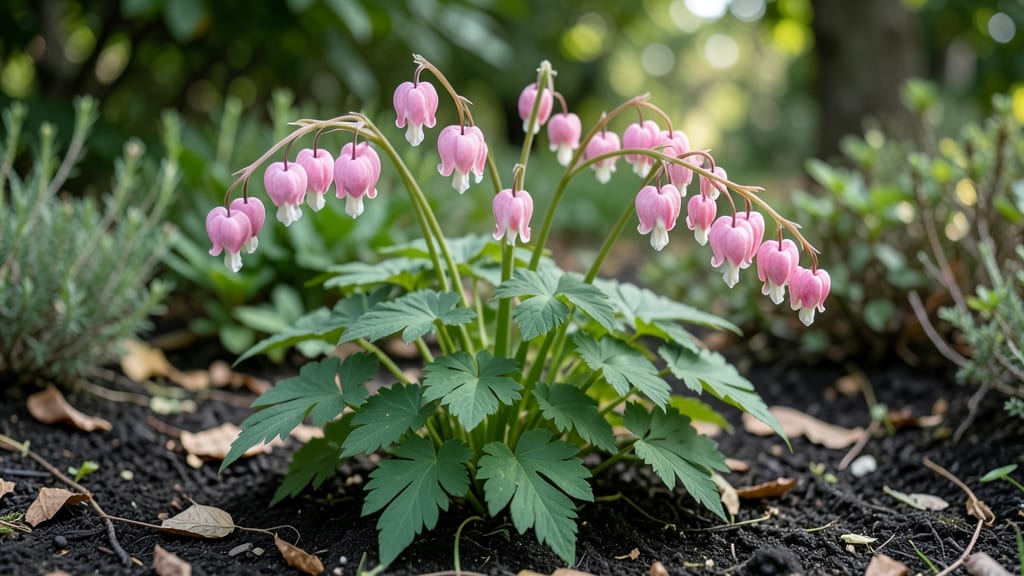
The bleeding heart bloom time you’ve been waiting for arrives in early spring 💖, but getting it right depends on your zone, variety, and a few key care tricks.
If you’ve ever planted bleeding hearts (Dicentra spectabilis) only to be left wondering why they’re not blooming when they should, you’re not alone—timing is everything with this delicate perennial.
But knowing the exact bloom windows by USDA zone and variety can turn your patience into a stunning spring (or late-summer) floral display.
For most gardeners in Zone 6a, the classic pink or white heart-shaped blooms appear between March and April, but cooler regions may see them linger into May. Meanwhile, reblooming varieties like ‘Stuart Boothman’ can surprise you with a second flush in late summer—if you give them the right conditions.
Here’s what you need to know: how climate shifts your bloom schedule, which varieties perform best in your area, and the simple pruning and care steps to extend that show-stopping season.
Bleeding heart bloom time by USDA hardiness zones: when to expect flowers
Timing your bleeding heart (Dicentra spectabilis) blooms depends entirely on your USDA hardiness zone and local climate. These shade-loving perennials typically bloom in early spring (March-April in most regions), but late-summer varieties exist too.
Understanding your zone’s average last frost date and microclimate is key to predicting when those iconic heart-shaped flowers will appear.
For gardeners in zones 3-5, expect blooms to align closely with spring thaw timing—often 2-3 weeks after last frost. Meanwhile, zones 6-9 may see earlier blooms (as early as February in mild climates) or delayed starts if winters are harsh.
Regional variations also play a role: Pacific Northwest plants often bloom 1-2 weeks earlier than those in Southern states due to cooler, wetter springs.
📊 Key Factors Affecting Bloom Time:
- Zone-specific frost dates
- Soil temperature (roots need 50°F+ to trigger blooms)
- Daylight hours (longer days in zones 6-9 can delay spring blooms)
- Variety selection (some rebloom in late summer)
| USDA Zone | Primary Bloom Window | Late-Summer Varieties | Climate Notes |
|---|---|---|---|
| Zones 3-4 | Late April - Mid-May | None (spring-only) | Cold springs delay blooms; mulch helps |
| Zones 5-6 | Mid-April - Early May | ‘Gold Heart’ (Aug-Sept) | Moderate winters; consistent moisture |
| Zones 7-8 | Early March - April | ‘Valentine’ (July-Aug) | Mild winters; watch for heat stress |
| Zones 9 | February - March | ‘Stuart Boothman’ (June-July) | Hot summers; needs afternoon shade |
In zones 3-4, where winters are harsh, bleeding hearts often wait until soil temperatures reach 50°F before pushing up blooms. This can mean late April or even May in colder microclimates. Mulching with 3-4 inches of organic matter in fall helps regulate soil temps and encourages earlier springs.
Conversely, zones 7-9 may see blooms as early as February, especially in coastal areas where ocean breezes moderate temperatures.
For Pacific Northwest gardeners, expect 2-3 weeks earlier blooms than Southern counterparts due to cooler, wetter springs. Seattle (Zone 8) typically sees blooms by late March, while Atlanta (Zone 7b) may not hit peak bloom until mid-April. Southern states like Florida (Zone 9-10) can have year-round growth, but blooms concentrate in winter/spring when days are shorter.
Not all bleeding hearts follow the spring-only rule. Varieties like ‘Gold Heart’ and ‘Valentine’ produce late-summer blooms (August-September), often triggered by temperature shifts rather than daylight. These reblooming types thrive in zones 5-9 and reward patient gardeners with a second floral show when many perennials are fading.
If your bleeding hearts skip blooms, check these zone-specific triggers:
- Zones 3-5: Overly dry springs delay blooms—water deeply when soil is 1 inch dry.
- Zones 6-7: Too much sun causes stress—ensure dappled shade.
- Zones 8-9: Heat stress in summer can prevent reblooming—mulch heavily.
Pro tip: Mark your calendar based on your zone’s average last frost date and add 4-6 weeks for most varieties. For rebloomers, watch for late-July temperature drops—this often signals their second bloom cycle.
With the right care, your bleeding hearts can transform your shade garden into a sequential floral masterpiece from spring to late summer.
Best bleeding heart varieties ranked by bloom duration & seasonality
Choosing the right bleeding heart variety can transform your garden from a one-time spring showstopper to a year-round performer. While most varieties bloom primarily in early spring, some rebloom in late summer or even produce foliage interest year-round.
Let’s compare the top 8 varieties based on bloom duration and seasonality to help you pick the perfect fit for your space.
The key to maximizing your bleeding heart bloom time lies in selecting varieties that align with your USDA zone and sunlight conditions. For example, ‘Stuart Boothman’ thrives in zones 3-9 with longer bloom periods, while ‘Gold Heart’ offers a unique golden foliage contrast that extends beyond the flowering season.
Below, I’ve ranked them by reblooming reliability and seasonal performance to make your decision easier.