
Planting
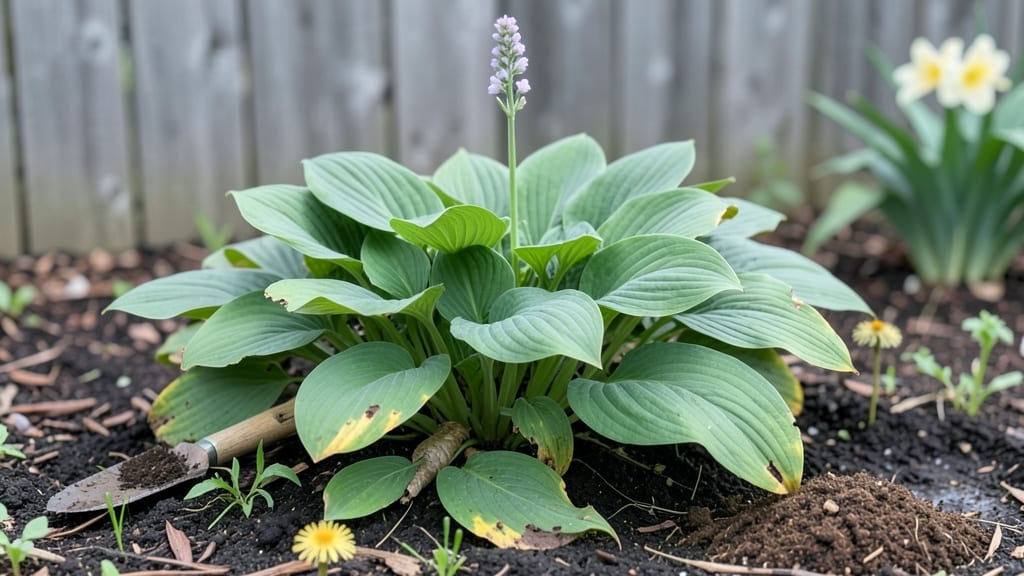
The best time to plant hosta bulbs is in early spring after the last frost, when soil temperatures reach 50-60°F, or in fall 4-6 weeks before the first frost for established root growth. Adjust timing for warmer climates by planting in late fall or winter.
Timing matters because hostas thrive when they can establish roots before extreme heat or cold sets in. In cooler regions, I’ve seen spring planting yield faster leaf growth since the bulbs wake up gradually as temperatures rise—think of it as a gentle wake-up call for the plant.
Meanwhile, fall planting gives roots a head start in milder climates, letting them anchor before winter dormancy kicks in. 🌱
For example, Zone 5 gardeners should aim for April-May after the ground thaws, while Zone 8 growers might plant as late as December. Adjusting for local frost dates and soil conditions (like sandy vs. clay soil) can make the difference between a lush hosta patch and a struggling transplant.
Always check your area’s last frost date—it’s your planting deadline! ⚡
💡 In This Article
- Hosta Planting Timing by USDA Climate Zones
- Preparing Hosta Bulbs for Spring vs. Fall Planting
Hosta planting timing by USDA climate Zones
Here's what's actually happening with hostas and climate: these shade-loving perennials rely on soil temperatures and frost patterns to sync their growth cycles. In USDA Zones 3-5 (think Midwest and Northeast), spring planting should occur when daytime highs consistently reach 55°F—this triggers root activation without risking frost damage.
The Pacific Northwest's cooler summers mean gardeners there often plant 2-3 weeks later than their Zone 5 counterparts, since maritime climates have slower soil warming. 🌿
The key factor is soil temperature thresholds: hosta roots need 50-60°F soil to establish, but shoots won't emerge until surface temps hit 60°F. In Zones 6-8 (Southeast and California), fall planting becomes critical—aim for 4-6 weeks before first frost, which typically means October-November.
Southern Florida (Zone 10) can plant year-round, but winter months avoid summer's brutal heat waves that stress transplants. Microclimates matter too: a south-facing slope warms faster than a north-facing bed, potentially shifting your planting window by 1-2 weeks.
What most people don't realize is how regional frost patterns vary. The Deep South's "black frost" (radiation frost in winter) can occur even when average lows are above freezing, while northern climates face hard frosts that penetrate deeper.
For example, Chicago's Zone 5 typically has last frost dates around May 15, but a sheltered microclimate might push that to June 1. Always verify with local weather stations—your neighbor's planting success might not apply to your specific yard conditions. ⚡
Temperature isn't the only variable: soil drainage becomes critical in wet climates. In the Pacific Northwest's Zone 8-9, winter rains can waterlog soil, so fall-planted hostas need raised beds or amended soil with 20% compost to prevent rot.
Meanwhile, the Deep South's clay soils benefit from spring planting when rains are less intense. The science shows hostas establish 30-50% faster in well-draining soil with 6.0-7.0 pH—test your soil before planting to avoid common pitfalls.
Consider these regional adjustments when planning:
- Zones 3-4 (Cold Continental): Plant in late April-May after soil reaches 55°F; fall planting is risky due to early frosts
- Zones 5-6 (Humid Continental): Spring planting in April-May works best; fall planting in September-October for established roots
- Zones 7-8 (Mediterranean): Fall planting in October-November avoids summer heat; spring planting possible in March
- Zones 9-10 (Tropical): Plant in winter months (December-February) to avoid summer's extreme heat
For container growing, timing shifts slightly: hostas in pots can handle 1-2 weeks earlier planting since containers warm faster. But remember—even in containers, roots need 6+ inches of soil depth to establish properly.
The difference between a thriving hosta and a struggling one often comes down to these climate-specific details. 💫
Pro tip: Use a soil thermometer to verify temperatures—many gardeners guess wrong, leading to poor establishment. In my experience, the 50°F soil threshold is non-negotiable for root growth, even if air temps feel warmer. This small investment in accuracy pays off with lush foliage all season. ✨