
Flowers
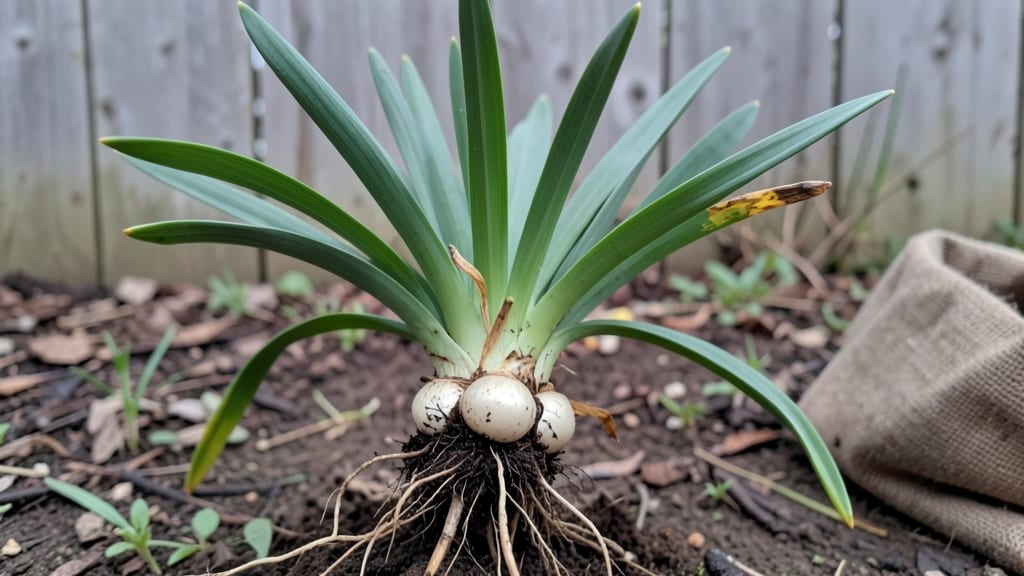
The best time to dig up daffodil bulbs is 6-8 weeks after they finish blooming, typically in late summer (July-August), when foliage turns yellow but remains healthy, ensuring stored bulbs have energy reserves for next year.
Timing this correctly ensures your daffodils return stronger next spring.
The foliage must stay attached for 6-8 weeks after blooming to fuel the bulb’s energy reserves through photosynthesis—cutting it too soon starves the bulb. 🌿 In my experience, bulbs dug too early often produce smaller blooms or fail to flower altogether, so patience pays off in vibrant displays the following year.
Climate plays a role too: in cooler northern regions, aim for early August, while warmer southern areas may need to wait until September. Always check that the leaves are yellowing but still upright before digging—this signals the bulb’s energy transfer is complete.
A sharp spade and well-draining storage spot are your next best friends for keeping them healthy until replanting.
💡 In This Article
- How Daffodil Bulb Storage Relies on Foliage Timing
- Step-by-Step Guide to Harvesting and Storing Daffodil Bulbs
How daffodil bulb storage relies on foliage timing
Here's what's actually happening beneath the soil: daffodil bulbs rely entirely on their foliage for post-bloom energy replenishment. After flowering, the leaves continue photosynthesis for 6-8 weeks, converting sunlight into stored starches that fuel next year's growth.
This process is critical because bulbs don't photosynthesize after dying back - they're completely dependent on this foliage phase. Think of it like a savings account where every week of green leaves deposits more energy for future blooms. 💛
The science gets fascinating when you look at the starch conversion rate. Daffodil leaves produce about 0.5-1 gram of starch per square inch of leaf surface during this period.
That might not sound like much, but over 6-8 weeks with multiple leaves, it adds up to enough energy to support a robust flowering cycle.
Cutting leaves too soon means the bulb misses out on this crucial energy transfer, often resulting in smaller blooms or complete failure to flower the following spring.
What most people don't realize is how delicate this timing window is. The foliage needs to stay attached until it naturally yellows and dies back - this is nature's signal that energy transfer is complete.
I've seen gardeners rush to cut back foliage after blooms fade, only to get disappointing results the next year. The key is patience: wait until 60-70% of the leaves have turned yellow but are still standing upright. This typically occurs 6-8 weeks after the last bloom appears.
Temperature plays a surprising role in this process. Cooler summer nights (60-65°F) actually enhance starch production, while hotter conditions (> 85°F) can accelerate leaf senescence. This is why northern climates often have more reliable daffodil returns - their cooler summers give bulbs more time to store energy.
In warmer southern areas, you might need to extend the foliage period by 1-2 weeks to compensate for faster leaf drying.
Consider this real-world example: in my Zone 5 garden, daffodils typically bloom in early May. If I dig bulbs in early July (8 weeks post-bloom), I get vibrant flowers the following spring.
But if I dig in late June (6 weeks), the bulbs often produce only 30-50% of their normal bloom count. The difference comes down to those extra 2 weeks of foliage photosynthesizing and building reserves. 🌱
The consequences of premature digging become clear when you examine bulb cross-sections. Bulbs dug too early show significantly smaller storage chambers (where energy is stored), while properly timed bulbs have noticeably larger, denser storage areas. This visual difference explains why timing matters so much for future performance.