
Diseases
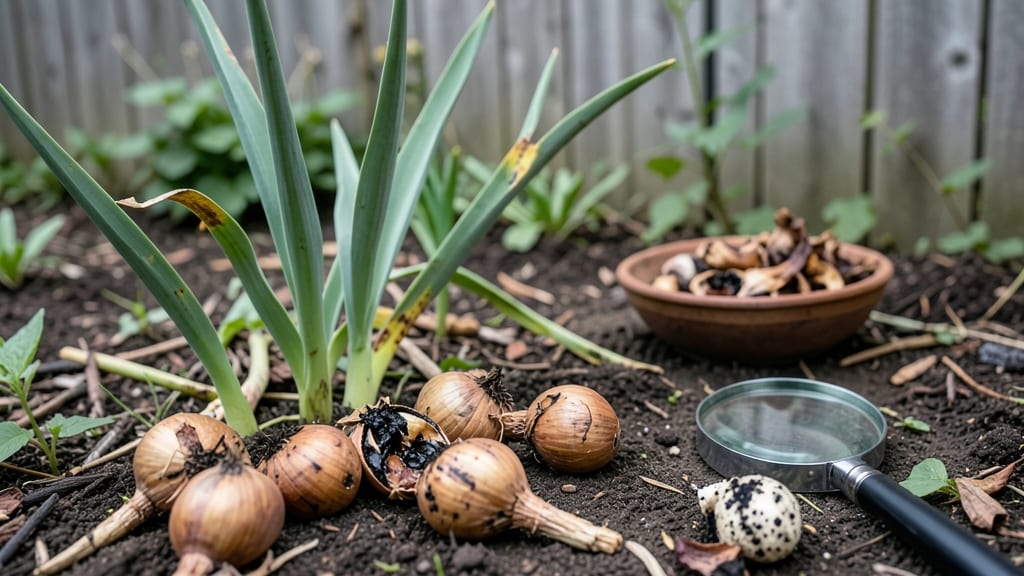
Before you toss out those bad tulip bulbs, take a closer look—soggy, moldy, or seemingly lifeless ones might just need a little TLC to bloom again. The key is catching the problem early, whether it’s rot, pests, or poor storage, and giving them the right conditions to bounce back.
Most "bad" bulbs fail because of one of three things: too much moisture during storage, disease from planting in wet soil, or pests like squirrels or mites. The good news? You can test for viability with a simple float test—healthy bulbs sink, bad ones float.
Even if they’re mushy, cutting away the rot and drying them properly often brings them back to life for next season.
By the time you’re done, you’ll have bulbs that push through stubborn soil and bloom like nothing ever happened. The secret is patience—reviving them takes a few weeks, but the payoff is worth it when you see those familiar cup-shaped flowers popping up in spring.
Let’s get those bulbs back in action!
This works whether you’re dealing with store-bought bulbs that arrived squishy or ones you’ve been storing in your garage for years. The same principles apply to daffodils and hyacinths too—once you master this, your spring garden will be unstoppable.
Why it happens
When your tulips refuse to bloom—or worse, rot before they even sprout—it’s often due to hidden issues lurking beneath the soil. Understanding these causes helps you diagnose (and fix!) the problem before it’s too late. Here’s why your tulip bulbs might be underperforming, with science-backed explanations and actionable insights.
🌱 Poor Bulb Quality Or Age
Not all tulip bulbs are created equal. Old, shrunken, or diseased bulbs simply lack the energy to produce vibrant blooms—or may not sprout at all. Here’s why:
- Storage issues: Bulbs stored in damp, dark, or freezing conditions (below 40°F) can develop mold or bacterial rot. Even short-term exposure to high humidity (above 70%) triggers fungal growth.
- Exhausted reserves: Tulip bulbs are perennial, but they deplete their stored nutrients over time. After 3–5 years, bulbs often produce smaller, weaker flowers—or fail entirely. This is their natural lifespan, not a defect.
- Diseased at purchase: Some bulbs arrive pre-infected with Tulip Fire (a bacterial disease) or gray mold (Botrytis). These pathogens spread silently until conditions (like wet soil) activate them.
Actionable fix: Buy bulbs from reputable sellers, inspect for firmness and no soft spots, and store them in a cool (35–45°F), dry place (like a mesh bag in the fridge) until planting.
💀 Physical Damage To The Bulb
Tulip bulbs are delicate—like tiny, edible onions—and even minor trauma can derail their growth. Common culprits include:
- Squeezing or crushing: Bulbs are 70% water. Physical pressure ruptures cells, inviting rot-causing bacteria (e.g., Erwinia) to colonize. A light squeeze test before planting can reveal mushy spots.
- Improper handling during planting: Dropping bulbs or using a trowel too aggressively can pierce the basal plate (the bulb’s "root hub"). This disrupts water uptake and signals the bulb to shut down.
- Overcrowding: Planting bulbs too close (less than 6 inches apart) restricts airflow and increases humidity around the bulb, creating a fungal paradise.
Actionable fix: Handle bulbs with gloves, plant them 3x their height deep (e.g., 8" for large bulbs), and space them 4–6 inches apart for airflow.
🌡️ Temperature And Timing Mishaps
Tulips are cold-hardy, but they need specific temperature cues to break dormancy. Get it wrong, and they’ll either rot in winter or balk in spring.
- Planting too early or late: Bulbs need 6–8 weeks of chilling (below 50°F) to trigger blooming hormones. Planting in warm soil (above 60°F) forces premature sprouting, which freezes and dies in winter.
- Inconsistent soil temps: Fluctuations between freezing and thawing cause cellular damage. This is why bulbs planted in unmulched beds often fail.
- Summer heat stress: After blooming, bulbs need 6–8 weeks of recovery in warm, dry soil. If you leave them in the ground too long, they’ll exhaust their energy before next year.
Actionable fix:
- Plant bulbs in fall (when soil temps drop to 50–60°F).
- Mulch with 4–6 inches of straw after planting to stabilize temps.
- Dig up and dry bulbs indoors after foliage yellows (but don’t cut stems—they feed the bulb!).
💦 Water Woes: Too Much Or Too Little
Tulips are not drought-tolerant, but they hate soggy conditions. Water issues are the #1 reason bulbs rot or fail to sprout.
- Overwatering: Tulip bulbs require oxygen. Saturated soil (especially in clay or poorly draining areas) suffocates roots and promotes gray mold (Botrytis) and bulb rot (Fusarium).
- Underwatering: Bulbs need consistent moisture during dormancy. Dry spells can cause shriveling and premature sprouting in winter.
- Poor drainage: If water pools around bulbs, they’ll swell and split, inviting pathogens. Test your soil: If water doesn’t drain within 2–3 hours, amend with sand or compost.
Actionable fix:
- Water deeply but infrequently (1–2 inches per week).
- Plant bulbs on a slight slope or in raised beds.
- Avoid mulching too thickly (max 2 inches) until spring to prevent rot.
🌿 Soil And Nutrient Imbalances
Tulips thrive in well-draining, slightly acidic soil (pH 6.0–7.0). Throw that off, and you’ll see stunted growth or no blooms.
- Compacted or heavy soil: Clay or high-organic soil traps moisture, leading to root rot. Tulips need aerated soil to access oxygen.
- Nutrient deficiencies:
- Nitrogen (N) excess: Leads to leafy but no-flower growth.
- Phosphorus (P) deficiency: Causes weak roots and poor blooming.
- Potassium (K) deficiency: Makes bulbs susceptible to disease.
- Fresh manure or chemical fertilizers: Both can burn bulb roots or disrupt microbial balance, inviting pathogens.
Actionable fix:
- Amend soil with compost or perlite for drainage.
- Use a balanced fertilizer (10-10-1
Fixing Failing Tulip Bulbs Step by Step
Reviving weak or diseased tulip bulbs starts with identifying the root cause—and then taking action. Below, we’ve mapped common issues to practical fixes, so you can restore your garden’s beauty without stress.
Whether your bulbs are rotting, moldy, or just refusing to bloom, these solutions will help you turn things around.
🔥 Soft or Mushy Bulbs: Rot & Fungal Issues
If your tulip bulbs feel squishy or emit a foul odor, rot (often from overwatering or poor drainage) is likely the culprit.
How to Fix It:
- 🍄 Remove affected bulbs immediately – Dig them up and discard any bulbs with soft spots, mold, or blackened areas. This prevents the spread.
- 🧼 Disinfect your tools & pots – Wipe gardening tools with a 10% bleach solution (1 part bleach to 9 parts water) to kill lingering pathogens.
- 🌱 Repot healthy bulbs in fresh, well-draining soil – Mix in perlite or sand (20-30%) to improve aeration. Avoid heavy clay soils that trap moisture.
- ⏰ Adjust watering habits – Water only when the top 1-2 inches of soil are dry. Tulips hate soggy roots!
💡 Prevention Tip: Store bulbs in a cool, dry place (50-60°F) with good airflow during dormancy (summer/fall). Avoid plastic bags—opt for mesh or paper bags instead.
🍳 Shriveled or Wrinkled Bulbs: Dormancy or Dehydration
If bulbs look shriveled but aren’t rotting, they may be dormant or dried out from improper storage.
How to Fix It:
- 💧 Soak bulbs in room-temperature water for 12 hours before replanting to rehydrate them gently.
- 🌱 Plant at the correct depth – Tulips need 6-8 inches of soil coverage (pointy end up!). Shallow planting stresses bulbs.
- 🌡️ Ensure proper dormancy conditions – After blooming, stop watering and let foliage die back naturally. This recharges the bulb for next year.
- 🌿 Fertilize lightly in fall – Use a balanced, low-nitrogen fertilizer (like 5-10-10) to support root growth without encouraging weak stems.
✨ Pro Tip: If bulbs are completely dried out, they may still revive! Soak them in lukewarm water with a tablespoon of hydrogen peroxide (3%) for 30 minutes to encourage regrowth.
👨🍳 No Blooms? Check for Bulb Weakness or Pests
Healthy bulbs that fail to flower often suffer from nutrient deficiency, pests, or overcrowding.
How to Fix It:
- 🐜 Inspect for pests – Look for tulip fire (a fungal disease) or bulb mites (tiny red/orange pests). Treat with neem oil spray or insecticidal soap.
- 🌱 Divide overcrowded clumps – Dig up bulbs every 3-4 years and separate offsets. Replant with 3-4 inches between bulbs.
- 💪 Boost nutrients with compost – Mix in well-aged compost or a phosphorus-rich fertilizer (like bone meal) in early fall to encourage blooming.
- ☀️ Ensure full sun (6+ hours/day) – Tulips need sunlight to flower. If shaded, move them to a sunnier spot next season.
🎯 Prevention Tip: Rotate planting locations every few years to prevent soil-borne diseases from building up.
🔪 Bulbs Sprouting Too Early? Adjust Planting Timing
If tulips shoot up in winter but get fried by frost, they’re planted too early or in a warm microclimate.
How to Fix It:
- 📅 Plant in fall, after soil cools – Aim for 6-8 weeks before first frost (typically October-November in most zones).
- 🛡️ Mulch heavily in winter – Apply 4-6 inches of straw or leaves to insulate bulbs from freezing/thaw cycles.
- 🌡️ Avoid southern exposures – South-facing beds warm up faster, tricking bulbs into early growth. Opt for north or east-facing spots if needed.
🔥 Emergency Fix: If shoots appear in late winter, cover them with a thick layer of mulch or row fabric to protect from frost damage.
🥘 Long-Term Care for Happy Tulips
Once your bulbs are revived, keep them thriving with these year-round tips:
- 🌿 Let foliage die back naturally – Don’t cut it until it yellows and wilts (this feeds the bulb for next year!).
- 💧 Water deeply but infrequently – Tulips hate wet feet but need 1 inch of water per week during active growth.
- 🌱 Rotate crops – Avoid planting tulips in the same spot year after year to prevent disease buildup.
- 🔍 Store bulbs properly – After digging (summer), cure them by drying in a shady, airy spot for 2 weeks before storing.
Final Thought: Most "bad tulip bulb" issues are preventable with the right care. By addressing rot, dehydration, pests, and planting mistakes early, your tulips will reward you with vibrant blooms year after year—no guesswork needed! 🌷✨
Frequently asked questions
How can I tell if my tulip bulbs are actually bad?
Check for soft, mushy spots or foul odors—these are clear signs of rot. Healthy bulbs should feel firm and have no visible mold or blackened areas. A simple float test works too: healthy bulbs sink in water, while bad ones float.
Can I save bulbs that look shriveled but aren’t rotting?
Soak them in room-temperature water for 12 hours to rehydrate gently. Afterward, plant them at the correct depth (6-8 inches) and ensure proper drainage to encourage regrowth.
Why do my tulips keep failing to bloom?
Overcrowding, nutrient deficiencies, or pests like bulb mites often cause this. Divide clumps every 3-4 years, add phosphorus-rich fertilizer in fall, and inspect for pests. Full sun (6+ hours/day) also helps!
What’s the best way to store tulip bulbs between seasons?
After digging, cure them in a shady, airy spot for 2 weeks, then store in a cool (50-60°F), dry place with good airflow. Use mesh or paper bags—never plastic!
How do I prevent rot when replanting bad bulbs?
Repot in fresh, well-draining soil with perlite or sand mixed in. Water only when the top 1-2 inches of soil are dry, and avoid overcrowding. Disinfect tools with bleach to kill pathogens.