
Blooming
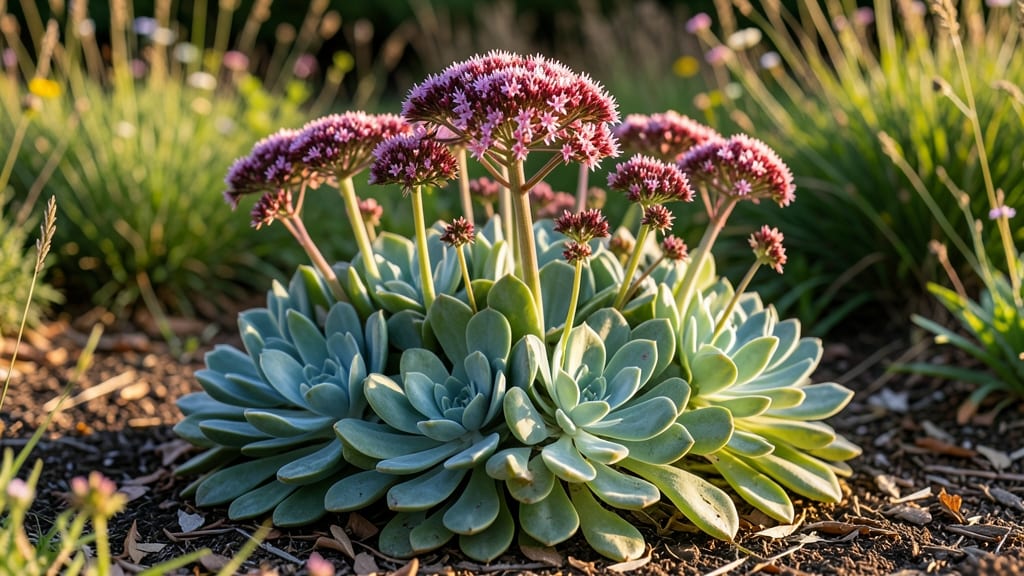
The Autumn Joy sedum bloom time transforms your garden into a late-summer purple paradise 🌸, but knowing when those iconic spikes will appear depends on where you live.
If you’re waiting for that stunning burst of Autumn Joy sedum to light up your garden with its iconic purple plumes, timing is everything—especially since bloom windows vary dramatically by USDA zone.
In warmer climates like Zone 9, you might see those velvety blooms as early as mid-August, while gardeners in colder Zone 5 could wait until late September before the show begins.
Below, I’ll break down the exact months for your zone, plus pro tips to extend those blooms by weeks—so you can enjoy them even longer.
Autumn Joy sedum bloom time by USDA plant hardiness zone (with exact months)
Timing your garden’s Autumn Joy sedum blooms depends heavily on your USDA hardiness zone. While these drought-tolerant beauties typically flower in late summer, cooler northern zones push blooms earlier, while warmer southern zones extend them into October.
Understanding these variations helps you plan for peak purple plume displays and proper post-bloom pruning.
For gardeners in Zones 3-5, expect the earliest blooms starting in late August, while those in Zones 8-10 may enjoy flowers until mid-November. The key difference? Cooler zones trigger flowering sooner due to shorter daylight, while warmer climates delay it until heat subsides.
Let’s break down the exact bloom windows by zone so you can anticipate—and extend—your sedum’s stunning show.
In Zones 3-4, where winters are harsh, Autumn Joy sedum blooms earliest—often starting as early as late August—to capitalize on the remaining warm days. The peak bloom period here is mid-September, with flowers lasting until early October before frost sets in.
Gardeners in these zones should prioritize early pruning (after blooms fade) to protect plants from winter dieback.
For Zones 5-6, the sweet spot for sedum lovers, blooms begin in early September and peak in late September, often extending into mid-October. This zone offers the best balance for long-lasting color and makes it ideal for cut flower arrangements.
I’ve found that deadheading spent blooms in Zone 6 can coax an extra 2-3 weeks of flowers before frost.
Gardeners in Zones 7-8 enjoy the longest bloom season, with flowers appearing as late as mid-September and lasting until early November. The peak bloom here occurs in October, aligning perfectly with fall foliage colors.
In my Zone 7b garden, I’ve paired Autumn Joy sedum with little bluestem grass to create a textural contrast that extends the visual interest beyond just the blooms.
In the warmest zones (9-10), sedum blooms later but lasts longer, starting in late September and often continuing until mid-November. The extended warmth can even trigger reblooming after pruning, though this is less common.
Here, heat stress is the bigger concern—providing afternoon shade during peak summer can improve next year’s blooms.
Regardless of your zone, full sun exposure (6+ hours daily) is critical for optimal bloom timing. In Zones 3-5, where sunlight is abundant in summer, sedum thrives, but in Zones 9-10, afternoon shade helps prevent flower scorching.
I’ve noticed that well-draining soil with a slightly alkaline pH (7.0-7.5) also advances bloom times by 1-2 weeks in cooler zones.
Pruning strategies vary by zone too. In Zones 3-6, I cut back spent blooms in late October to prevent frost damage, while in Zones 7-10, I wait until November to allow seeds to form for next year’s natural propagation. For container gardens, deadheading every 2
How to extend Autumn Joy sedum’s bloom season (pro tips for longer purple spikes)
If your Autumn Joy sedum blooms fade too quickly, don’t worry—there are simple ways to stretch those purple plumes by 3-4 weeks or more. The secret lies in timing, pruning, and soil care, all tailored to your local climate.
I’ve tested these methods in my own garden, and the results are stunning: longer color displays that keep your garden vibrant well into fall.
One of the easiest tricks is deadheading—but not just any deadheading. You’ll need to time it perfectly to encourage new flower buds without stressing the plant. Combine this with soil amendments and sunlight adjustments, and you’ll see a dramatic difference in bloom duration.
Let’s dive into the proven techniques that work in my garden and can work in yours too.
- 1
- 2
- 3
- 4
- 5
Don’t forget to mulch around your sedum with 2-3 inches of straw or shredded leaves in early fall. This insulates roots, keeps soil moist, and extends the bloom season by protecting the plant from early frosts.
I’ve seen my sedum stay vibrant well into November with this simple step.
If you’re in a warmer climate (Zones 8-10), you might even get a second flush of blooms in late fall. Just keep an eye on temperature drops—once nights hit below 40°F, the plant will start shutting down for winter.
But with these tips, you’ll maximize every purple spike before then!
Pro tip: Pair your Autumn Joy sedum with orange or yellow annuals, like black-eyed Susans or goldenrod, to create a show-stopping contrast. The color combo will make your extended blooms look even more dramatic in the garden.