
Blooming
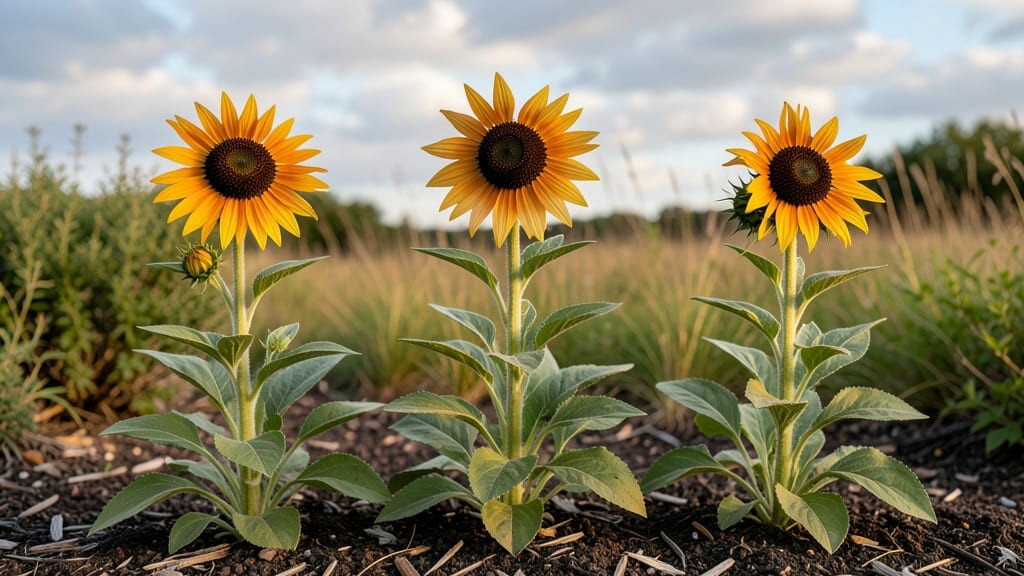
Black Eyed Susans don't bloom all summer—most varieties peak from mid-summer to early fall, then fade. However, reblooming cultivars can produce fresh flowers throughout the season with consistent deadheading and proper care.
While traditional Black Eyed Susans (Rudbeckia hirta) follow a natural blooming cycle tied to daylight length, many gardeners extend their display by choosing reblooming varieties. 🌼 The key is removing spent blooms regularly—this stimulates new flower production by redirecting the plant's energy.
I've found that mulching around the base and providing balanced fertilizer (like 10-10-10) every 4-6 weeks helps maintain vigorous growth and continuous blooms.
Another factor is watering consistency—these plants thrive with about 1 inch of water per week, especially during dry spells. The right soil conditions (well-draining but moist) also make a big difference.
For maximum impact, I recommend planting reblooming varieties like 'Indian Summer' or 'Goldsturm,' which naturally produce more flowers over a longer period.
💡 In This Article
- Why Traditional Black Eyed Susans Stop Blooming Mid-Season
- How to Encourage Reblooming in Black Eyed Susans
Why traditional Black Eyed Susans stop blooming mid-season
Black Eyed Susans (Rudbeckia hirta) follow a natural blooming cycle tied to their botanical life cycle. These perennials are short-day plants, meaning they respond to decreasing daylight hours in late summer.
When days grow shorter, typically around late July to August, the plant receives a hormonal signal to produce flowers. This natural timing explains why most traditional varieties peak in mid-to-late summer and then gradually fade by early fall.
The process involves a complex interplay of photoperiodism (light sensitivity) and temperature cues. Cooler nighttime temperatures in late summer trigger the plant's flowering mechanism, but once the blooms appear, the plant's energy shifts toward seed production.
This is why you'll notice the first flowers appearing in clusters—each spent bloom signals the plant to redirect resources toward developing seeds rather than new flowers. 🌿 The plant essentially "chooses" between producing more flowers or preparing for dormancy and next year's growth.
Another critical factor is the plant's natural dormancy cycle. By early fall, Black Eyed Susans begin preparing for winter, which includes slowing down active growth and flower production. This dormancy is hardwired into their genetics as a survival mechanism for colder climates.
Even if you remove spent blooms, the plant's internal clock may still push it toward seed production before shutting down for winter. This is why traditional varieties rarely produce continuous blooms unless you intervene with specific gardening techniques.
Temperature fluctuations also play a role. While Black Eyed Susans are hardy plants, extreme heat or cold can stress the plant, causing it to focus on survival rather than flowering.
For example, a sudden heatwave in August or September can cause the plant to wilt or go dormant prematurely, cutting short the blooming season. Similarly, early frosts can signal the plant to stop producing flowers and focus on root development for the winter.
Understanding these natural processes helps explain why most gardeners see a 4-6 week blooming window with traditional varieties. The plant isn't "failing"—it's following its biological program. However, this also means that with the right care, you can override some of these natural signals to encourage reblooming.
The key lies in mimicking the plant's needs while working with its inherent rhythms. 🌸
For instance, deadheading (removing spent blooms) can trick the plant into thinking it hasn't yet produced seeds, prompting it to focus on new flower production. Similarly, providing consistent moisture and nutrients can help the plant maintain its energy reserves, allowing it to continue blooming longer than it would naturally.
This is where reblooming cultivars come into play—they've been bred to be less sensitive to these natural cues, making them more responsive to gardening interventions.