
Flowers
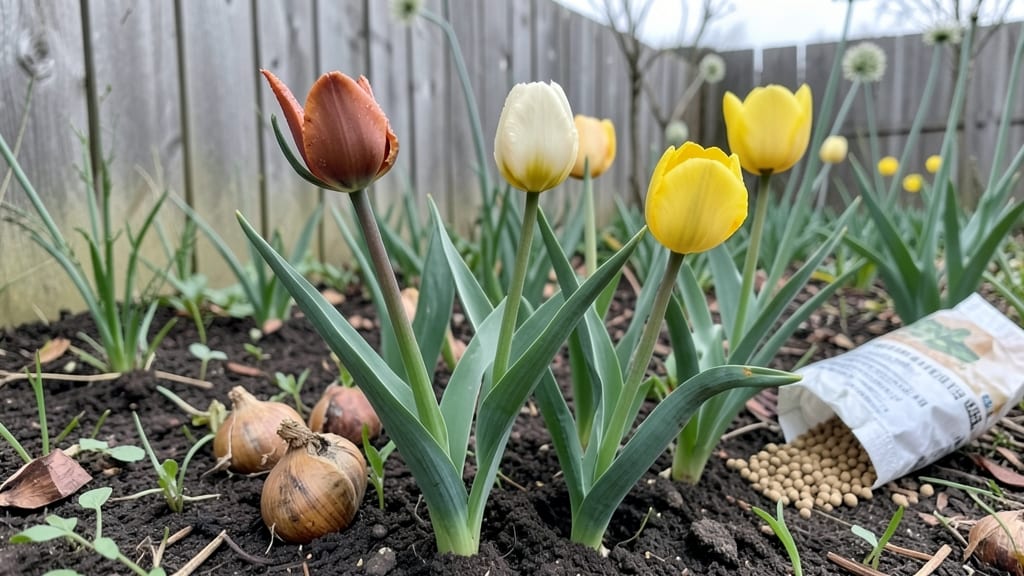
Bulbs are perennials that return year after year, though some varieties like tulips may decline after flowering and require replanting every 3-5 years, while hardy types like daffodils often thrive for decades with minimal care.
The reason some bulbs outlast others comes down to their natural resilience and how they store energy. 🌱 Daffodils and alliums develop deep, robust root systems that anchor them through harsh winters, while tulips rely more on annual energy reserves that deplete faster.
The key difference lies in their ability to naturalize—meaning they spread and multiply underground—versus needing fresh soil nutrients each season.
For gardeners, this means choosing the right bulb for your climate and maintenance style. Hardy perennials like daffodils reward patience with decades of blooms, while tulips might need more frequent attention but offer vibrant seasonal color.
I’ve found that even short-lived bulbs can be extended with proper replanting techniques—like adding compost or dividing overcrowded clumps—so don’t assume they’re one-and-done plants!
💡 In This Article
- How Bulb Longevity Varies by Plant Type
- When and How to Replant Bulbs for Long-Term Growth
How bulb longevity varies by plant type
Here's what's actually happening underground: bulb lifespan depends on their natural energy storage systems and growth habits. Daffodils (Narcissus) and alliums store energy in deep, fibrous roots that regenerate annually, allowing them to thrive for 10-15 years or more with minimal care.
Their root systems can spread 12-24 inches wide, creating a network that sustains them through drought and cold. In contrast, tulips (Tulipa) rely on a single bulb that depletes its energy reserves after flowering, often needing replacement every 3-5 years.
The science behind this involves their naturalization tendencies. Daffodils and hyacinths (Hyacinthus) produce offsets—small bulblets that form around the parent bulb—allowing them to multiply underground.
This process, called "naturalization," creates dense colonies that return year after year. Tulips, however, rarely produce offsets unless you're growing species like Tulipa fosteriana, which can naturalize in ideal conditions.
The difference comes down to their native habitats: daffodils evolved in meadows where they needed to spread, while tulips originated in rocky, nutrient-poor soils where energy conservation was critical.
Climate adaptation plays a huge role too. Hardy bulbs like daffodils and fritillaries (Fritillaria) can survive -20°F winters by entering deep dormancy, while tulips struggle below -15°F without mulch protection. Their lifespan also depends on how aggressively they flower—each bloom drains 20-30% of the bulb's energy reserves.
That's why over-fertilizing can backfire: it encourages lush foliage but weakens the bulb's ability to store energy for next year's bloom.
Consider these key factors when choosing bulbs for your garden:
- Root system strength: Daffodils develop 12-18 inches of roots, while tulips average just 6-10 inches
- Energy storage: Alliums store energy in multiple layers, while tulips rely on a single bulb
- Naturalization rate: Daffodils multiply 3-5 times faster than tulips
- Climate tolerance: Hardy varieties survive 10-15 years with proper care
What most people don't realize is how soil quality affects longevity. Well-draining soil with 2-3% organic matter extends bulb life by 30-40% compared to heavy clay. The key is balancing moisture and aeration—too much water causes rot, while poor drainage stresses the roots.
I've seen 20-year-old daffodil clumps in my garden's raised beds where drainage is perfect, while tulips in the same area needed replanting after just 4 years.
The texture difference is striking too. Mature daffodil bulbs develop a papery, tan outer layer that protects against rot, while tulip bulbs remain smoother and more prone to disease.
This physical difference reflects their growth strategies—daffodils invest in protection, while tulips prioritize rapid energy use for vibrant but short-lived blooms. 🌟