
Blooming
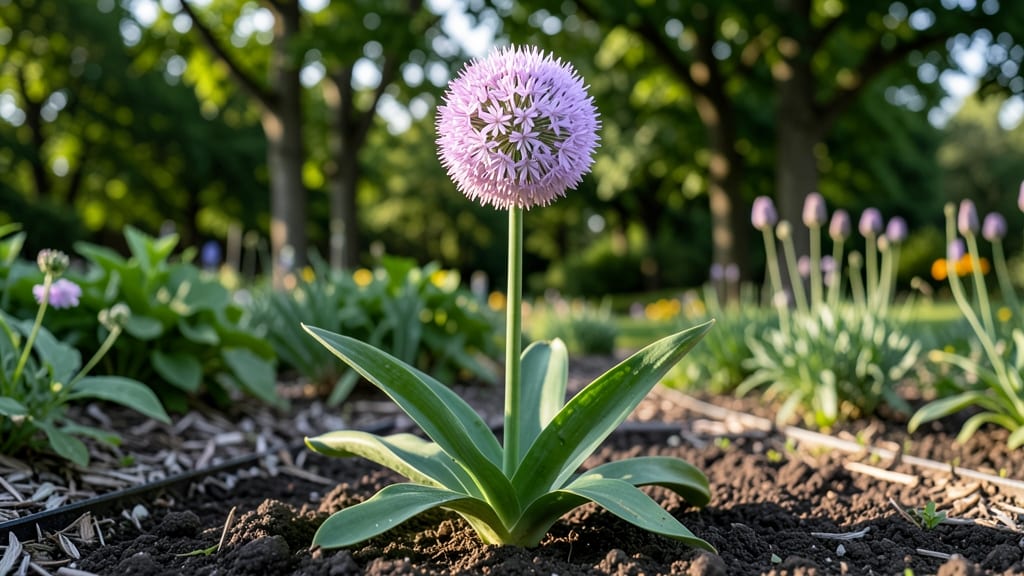
Alliums bloom at predictable times that turn your garden into a purple-and-pink show from spring through summer 🌷—but only if you know their secrets.
Picture this: You’ve planted your Allium bulbs in March, and now you’re waiting for those globe-shaped blooms to appear. The timing can feel like a guessing game unless you account for variety, zone, and even last year’s frost date.
That’s why understanding when your alliums will burst into color is the key to a show-stopping display.
From early bloomers like Allium moly in Zone 6a to late-season stars like Allium giganteum, each variety has its own schedule. And let’s be honest—missing the window means your garden could end up with empty stems instead of dramatic blooms.
Below, I’ll break down the exact bloom times by type, how your climate zone shifts those dates, and the simple tricks to extend their season.
Ready to transform your garden into a longer-lasting allium extravaganza? Let’s dive into the details so you never miss a bloom again.
Allium bloom time by variety: when to expect flowers
Alliums are garden superstars that deliver bold, spherical blooms in shades of purple, white, and pink. But their bloom times vary dramatically by variety and climate zone. Knowing these timelines helps you plan for sequential color in your garden or create stunning cut flower arrangements.
Let's break down when to expect blooms from popular allium varieties across USDA zones 3-10.
Most alliums bloom in spring to early summer, but some varieties extend flowering into late summer or fall. Early bloomers like Allium moly kick off the season, while late-season varieties like Allium christophii keep gardens vibrant until frost.
Understanding these patterns lets you stagger plantings for continuous blooms or time harvests for floral arrangements.
🌱
| Variety | Bloom Time (USDA 6a) | Zones 3-4 Adjustment | Zones 8-10 Adjustment | Height |
|---|---|---|---|---|
| Allium moly (Golden Star) | Early April - May | Blooms 2-3 weeks later | Blooms 1-2 weeks earlier | 6-12" |
| Allium sphaerocephalon (Drumstick) | Late May - June | Blooms 3 weeks later | Blooms 2 weeks earlier | 24-36" |
| Allium giganteum (Giant) | Late May - June | Blooms 2-3 weeks later | Blooms 1-2 weeks earlier | 48-60" |
| Allium christophii (Late Purple) | July - August | Blooms 4 weeks later | Blooms 2 weeks earlier | 24-36" |
| Allium roseum (Pink Star) | April - May | Blooms 3 weeks later | Blooms 1 week earlier | 12-18" |
| Allium schubertii (Fringe) | May - June | Blooms 2 weeks later | Blooms 1 week earlier | 24-36" |
For cooler climates (Zones 3-4), alliums typically bloom later due to slower soil warming. Plant bulbs in early fall for spring blooms, giving them time to establish roots before winter. In warmer zones (8-10), some varieties may bloom earlier or even rebloom in fall with proper care.
If you're growing alliums for cut flowers, time your harvest by cutting stems when 2/3 of the buds are fully colored but still closed. This extends vase life by 1-2 weeks compared to waiting for full bloom. For garden displays, mix early, mid
How USDA hardiness zones affect Allium bloom seasons
Your USDA hardiness zone plays a crucial role in determining when alliums will bloom, as colder climates delay flowering while warmer zones accelerate it.
In Zone 3, for example, alliums often wait until late spring or early summer to bloom, while Zone 9 gardeners may see flowers as early as February. Understanding these differences helps you plan for vibrant displays and avoid frost damage.
Alliums are frost-sensitive when buds form, so timing matters. In colder zones, plant bulbs early (fall) to ensure roots establish before winter. Warmer zones may require shade cloth during heatwaves to prevent premature bud drop.
Let’s break down how zones 3 through 9 influence bloom timing and what you can do to adjust for your climate.
In Zone 3, where winters are harsh, alliums like Allium giganteum may not bloom until June due to late frosts. To speed things up, plant bulbs in well-draining soil and mulch heavily in fall.
In contrast, Zone 9 gardeners can enjoy blooms as early as February, but they must protect plants from intense afternoon sun to prevent heat stress.
For Zone 5-7, where frost is unpredictable, opt for mid-season bloomers like Allium schubertii. These varieties strike a balance between early and late bloomers, reducing frost risk. In Zone 8 and above, consider container gardening to move alliums to shaded areas during peak summer heat.
To extend bloom periods, deadhead spent flowers regularly and fertilize lightly in spring. In warmer zones, water deeply during dry spells to support bulb health. With these zone-specific strategies, you can enjoy allium blooms for weeks longer than average.
Remember, soil temperature also impacts bloom time—cooler soils delay growth, while warmer soils encourage earlier flowering. Amend your soil with compost to improve drainage and warmth retention, especially in colder zones. Your alliums will thank you with vibrant, timely blooms! 🌷