
Blooming
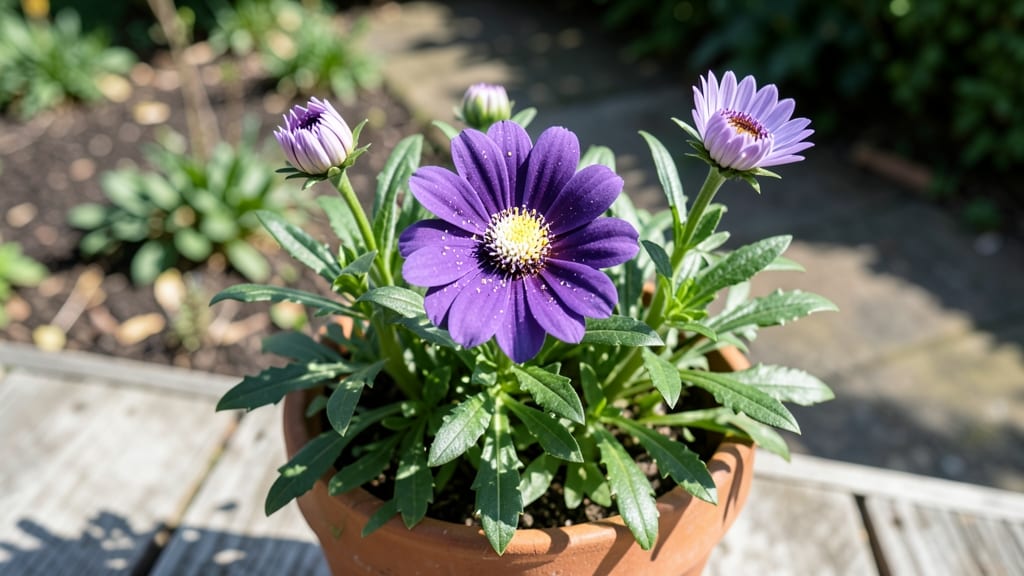
Here’s the catch: these plants are light-sensitive, and most gardeners miss the simple tweaks that keep them flowering. Too little sun, and they peter out. Too much shade, and they never get started. But the secret isn’t just sunlight—it’s how you give it.
In this guide, I’ll break down the exact light conditions your African daisies need, how to extend their bloom time with grow lights or window placement, and the common mistakes that cut flowering short. No more guessing—just consistent, long-lasting blooms.
Ready to turn your garden into a year-round daisy show? Let’s dive into the light-triggered secrets that keep these flowers popping.
How light exposure controls African daisy bloom time
African daisies (Osteospermum) thrive on a light-driven schedule that triggers their bloom cycles. Unlike some flowers that rely on temperature, these daisies respond to photoperiodism—the plant's internal clock that reacts to daylight duration.
When exposed to 12-14 hours of light daily, they signal their cells to produce flowers, creating a predictable bloom window.
Understanding this light sensitivity lets you control bloom timing year-round. In nature, African daisies bloom from late spring to fall when daylight stretches longer. But with the right light manipulation, you can coax blooms even in winter or early spring.
The key lies in mimicking natural daylight patterns while avoiding stress from inconsistent light.
Here’s how light exposure directly impacts African daisy bloom cycles:
Daylight Duration: 12-14 hours triggers flowering. Below 12 hours, blooms slow or stop. Above 14 hours, plants may produce fewer flowers but grow taller.
Light Intensity: Full sun (6+ hours of direct light) maximizes blooms. Partial shade (3-6 hours) reduces flowers but extends leafy growth.
Seasonal Shifts: Shorter winter days halt blooming. Longer summer days promote continuous flowering if moisture and nutrients are balanced.
To extend African daisy bloom time, focus on consistent light exposure. In containers, place them near south-facing windows or under grow lights for 12-14 hours daily. For outdoor gardens, rotate pots every few days to ensure even light distribution, preventing one-sided growth that weakens blooms.
In winter months, supplement natural light with LED grow lights placed 6-12 inches above plants. Use a timer to maintain 12 hours of light daily, which tricks the plant into blooming. Avoid incandescent bulbs, as they generate too much heat and stress the plants.
Pruning also plays a role in light control. Pinch back leggy stems to encourage bushier growth, which exposes more buds to light. Remove spent blooms (deadheading) to redirect energy from seed production back to new flower development, especially during shorter daylight hours.
Monitor your African daisies for light stress signs: yellowing leaves indicate too much direct sun, while pale stems signal insufficient light. Adjust their placement gradually—never move them abruptly—to avoid shocking the plant and disrupting its bloom cycle.
By mastering light exposure, you can enjoy African daisy blooms year-round, even in less-than-ideal seasons. The secret lies in mimicking nature’s cues while adapting to your climate and growing space.
Best lighting strategies to extend African daisy bloom time
African daisies thrive on 12-14 hours of daylight to trigger continuous blooming. In summer, natural sunlight often provides enough light, but shorter winter days require strategic adjustments. The key is mimicking ideal light conditions year-round to maintain vibrant Osteospermum flowers.
For container growers, a south-facing window offers the best natural light exposure. Place your African daisies within 3 feet of the window to ensure they receive 6+ hours of direct sunlight. Rotate pots weekly to prevent lopsided growth from uneven light distribution.
Greenhouses extend bloom time naturally by capturing sunlight year-round. Position your African daisies on bench shelves near the greenhouse's south-facing walls. Use clear polycarbonate panels to maximize light penetration while protecting plants from harsh winter winds.
Natural Light Solutions
South-Facing Window
- Pros: Free sunlight, no equipment needed
- Cons: Limited space, potential overheating
Greenhouse Placement
- Pros: Year-round growing, extended bloom season
- Cons: Higher initial cost, requires ventilation
Artificial Light Options
LED Grow Lights
- Pros: Energy-efficient, long lifespan, full-spectrum
- Cons: Higher upfront cost, requires positioning
Fluorescent Grow Lights
- Pros: Affordable, good for seedlings, low heat output
- Cons: Shorter lifespan, less efficient for mature plants
For winter blooming, LED grow lights are the most effective solution. Position lights 6-12 inches above plants and provide 14 hours of light daily to simulate summer conditions. Use full-spectrum LEDs that cover blue (6400K) and red (3000K) wavelengths to support both growth and flowering.
Adjust light schedules seasonally: 16 hours in winter and 12 hours in summer prevent shock to plants. Always use a timer to maintain consistency. Remember to keep lights clean—dust reduces light penetration by up to 30%, cutting effectiveness.
Combine natural and artificial light for best results. Place African daisies near windows during the day and supplement with grow lights for 2-4 hours in early morning or evening during short winter days. This hybrid approach extends bloom time while minimizing energy costs.