
Blooming
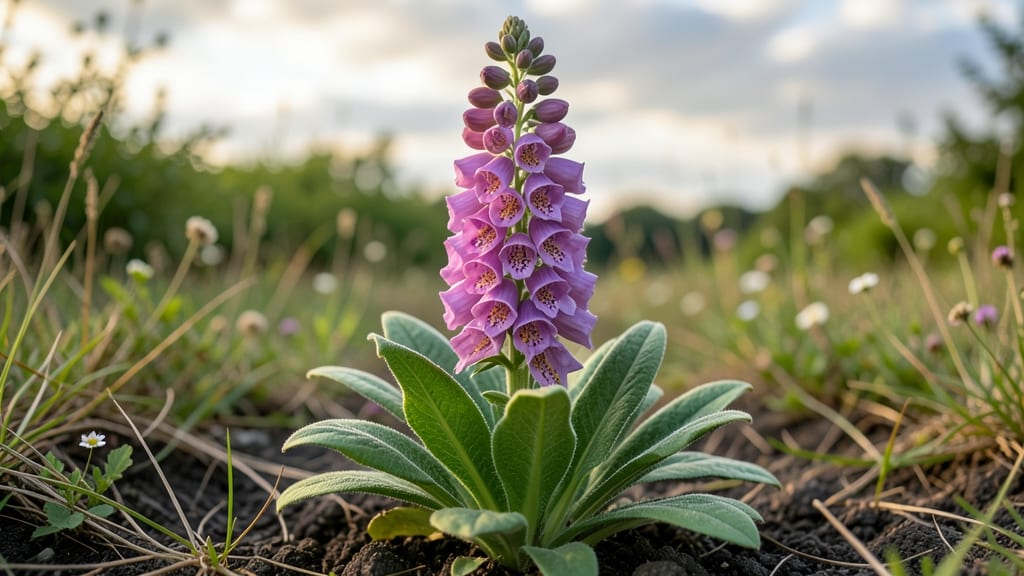
Foxglove flowers bloom between June and August in most temperate climates, but timing isn’t just about the calendar—it’s about getting the planting window right for your zone.
Picture this: you’ve waited all spring, and suddenly, those towering spikes of bell-shaped 🌸 foxglove erupt in your garden, turning heads and filling the air with a sweet, honey-like scent. But if you plant too early or too late, you might miss the magic entirely.
In USDA Zone 6a, where foxglove thrives, the key to seeing those first blooms is planting seeds or transplants between late March and early April. That gives the plant just enough time to establish roots before the heat of summer arrives.
Below, I’ll break down how sunlight, soil, and even your local microclimate can shift that bloom time by weeks—and how to tweak your approach for the most dramatic display in 60 days or less.
Foxglove bloom time: how long until flowers appear after planting?
Foxglove (Digitalis spp.) takes 90 to 150 days from seed to first bloom, but with the right conditions, you can hit that 60-day target for vibrant summer flowers. The key lies in understanding its three critical growth phases: germination, vegetative growth, and flowering.
Each stage responds differently to soil temperature, light exposure, and climate zones, so let’s break it down to ensure your foxglove blooms on schedule.
Most gardeners aim for mid-summer blooms (June–August in the Northern Hemisphere), which means starting seeds or transplants 4–6 weeks before your last frost date. For example, in USDA Zone 6a, planting in late March ensures blooms by early June.
However, colder zones (like Zone 3) may need to start seeds indoors in February to avoid delays caused by slow soil warming. Adjust your timeline based on your local frost dates and microclimate—coastal areas often bloom earlier than inland regions due to milder temperatures.
| Growth Stage | Timeframe (Days) | Key Conditions | Climate Adjustments |
|---|---|---|---|
| Germination | 7–14 | Soil temp: 60–70°F Moisture: Consistently damp |
Zone 3–4: Start indoors 8–10 weeks before last frost Zone 5–9: Direct sow after soil warms |
| Vegetative Growth | 45–60 | Light: Partial shade Soil: Well-draining, pH 6.0–7.0 |
Coastal areas: More shade to prevent stress Inland: Morning sun for stronger stems |
| Flowering | 30–45 | Light: 4–6 hours sun Water: Deep but infrequent |
Hot climates (Zone 9+): Extend shade in peak summer Cold zones: Protect from late frosts |
| Total (Seed to Bloom) | 90–150 | Soil temp: 55–75°F Light: Partial shade |
Zone 3–5: Start early (Feb–Mar) Zone 6–9: Plant March–April |
During the germination phase, foxglove seeds need consistent moisture and warm soil (60–70°F) to sprout within 7–14 days. If your soil is still cold (below 55°F), germination can stall for weeks or fail entirely.
Use a seedling heat mat or plant in a protected microclimate, like near a south-facing wall, to speed up the process.
In Zone 3 or 4, I recommend starting seeds indoors under grow lights in early February to give them a head start before transplanting outdoors after the last frost.
Once seedlings emerge, the vegetative growth phase dominates the next 45–60 days. This is when foxglove builds its tall, sturdy stems and broad leaves. During this stage, focus on partial shade (4–6 hours of morning sun) to prevent leggy growth or sunburn.
In hotter climates (Zone 8–9), provide afternoon shade to protect plants from heat stress, which can delay flowering by 2–3 weeks. I’ve found that mulching with compost or straw helps maintain even soil moisture, reducing stress and encouraging faster growth.
Light exposure plays a critical role in triggering the flowering phase, which typically occurs 30–45 days after vegetative growth begins. Foxglove needs 4–6 hours of direct sunlight daily to produce buds and blooms.
If your garden is too shady, consider placing foxglove near east-facing windows or under dappled tree shade. In cooler climates (Zone 3–5), extend the bloom window by deadheading spent flowers—this encourages secondary blooms in late summer.
Conversely, in warmer zones (Zone 7–9), foxglove may bloom earlier but fewer flowers if temperatures exceed 85°F.
One common mistake gardeners make is over-fertilizing
Best planting months for foxglove by US hardiness Zone (with bloom guarantee)
Timing your foxglove planting is the secret to those iconic bell-shaped blooms appearing in just 60 days. Since foxglove thrives in cooler climates, your USDA hardiness zone determines the perfect window. Plant too early in warm zones, and you’ll get leggy, weak stems.
Too late, and frost will nip your blooms before they open. Let’s pinpoint the exact months for your region to guarantee summer color.
Coastal areas often have milder microclimates than inland zones, so adjust your schedule by 2-4 weeks later if you live near the ocean. For inland gardeners, follow the zone guidelines closely—foxglove hates hot summer heat and will bolt if stressed.
The key is cool soil temperatures (50-60°F) when seeds germinate or seedlings go in.
For Zones 3-4, start seeds indoors in early March to give them a head start. Transplant outdoors after your last frost date (typically mid-April), and you’ll see those first purple or white spikes by mid-June.
In Zones 5-6, you can sow directly outdoors in late February for blooms by late May—just cover seedlings if a late frost threatens.
If you live in Zones 7-9, foxglove’s cool-season preference means you’ll need to plant early to avoid summer heat. Direct-sow in January for blooms by April, or use shade cloth to protect plants from intense afternoon sun.
In Zone 9, consider growing foxglove as an annual and plant in winter for spring blooms before the heat sets in.
Extend your bloom window with succession planting: sow new seeds every 3-4 weeks until early summer. This ensures fresh blooms appear as old spikes fade. Pair foxglove with columbine or delphinium for a vertical garden that blooms from spring to fall.
Just remember—foxglove’s toxic to pets, so plant it where kids and animals won’t nibble!
Pro tip: If your foxglove bolts (stretches tall and skinny), it’s a sign of too much heat or nitrogen. Move potted plants to partial shade and feed with a low-nitrogen fertilizer (like 5-10-10) to encourage blooms over foliage.
With the right timing, you’ll have 60-day blooms that last for months!