
Blooming
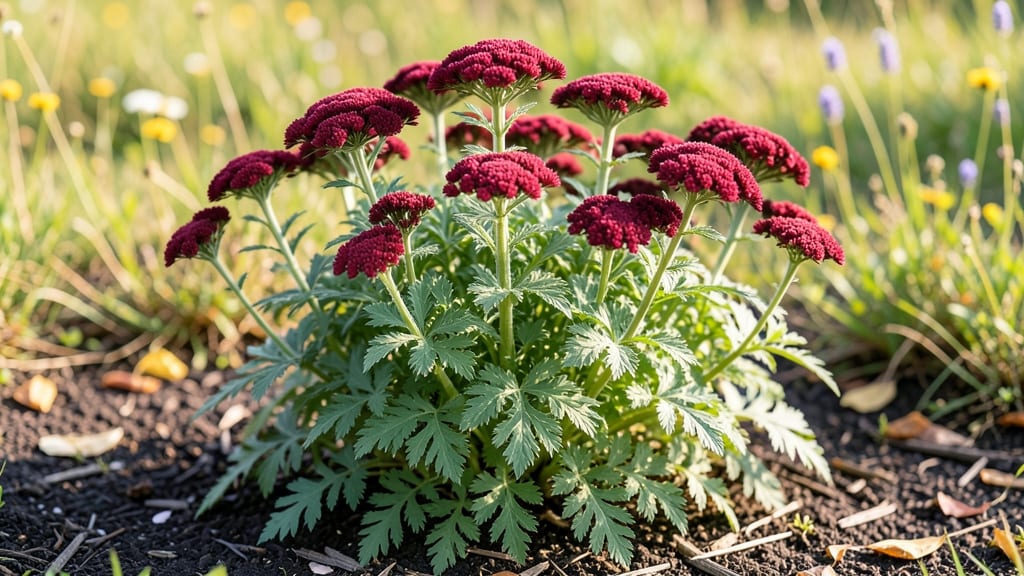
The yarrow bloom time transforms your garden into a feathery, colorful showstopper with its 🌼-shaped clusters in late spring to summer.
If you’re waiting for those vibrant yarrow blooms to brighten your garden, timing is everything—especially when different varieties and climate zones throw a curveball.
In Zone 6a, where many gardeners grow yarrow, expect the first flowers to appear around June, with peak blooming stretching through July and August.
Below, I’ll break down how to extend that bloom time, spot early vs. late varieties, and adjust for your local climate—so you can enjoy yarrow’s cheerful display from start to finish.
Yarrow bloom time by variety: when to expect flowers
Yarrow (Achillea millefolium) is a versatile perennial that rewards gardeners with vibrant blooms, but bloom times vary dramatically by variety. Some varieties burst into color as early as late spring, while others wait until mid-to-late summer.
Knowing these differences helps you create a sequential bloom garden that stays colorful from spring to fall.
Most yarrow varieties bloom for 6–8 weeks with proper care, but their peak seasons differ. For example, 'Moonshine' and 'Paprika' are early bloomers, while 'Cloth of Gold' and 'Terracotta' shine later in the season.
Let’s break down the bloom times for popular varieties so you can plan your garden layout with confidence.
| Variety | Bloom Time | Color | Height (ft) | Notes |
|---|---|---|---|---|
| 'Moonshine' | Late spring to early summer | Creamy white | 2–3 ft | Early bloomer; attracts pollinators |
| 'Paprika' | Early to mid-summer | Deep red-orange | 2–3 ft | Heat-tolerant; long-lasting blooms |
| 'Cloth of Gold' | Mid-to-late summer | Golden yellow | 2–3 ft | Drought-resistant; late-season star |
| 'Terracotta' | td style="padding: 10px; border-bottom: 1px solid #ffcc00;">Late summer to early fallTerracotta | 2–3 ft | Extended bloom season; great for cut flowers | |
| 'Coronation Gold' | Mid-summer | Golden yellow | 2–3 ft | Classic variety; reliable bloomer |
| 'Red Beauty' | Early to mid-summer | Vibrant red | 1.5–2 ft | Compact; great for borders |
If you’re planting yarrow for a continuous color display, mix early, mid, and late-season varieties. For example, pair 'Moonshine' (late spring) with 'Paprika' (early summer) and 'Cloth of Gold' (mid-to-late summer) to ensure blooms from May through September. This strategy also extends your cut-flower harvest season.
Some varieties, like 'Terracotta', are known for their prolonged bloom periods and can even rebloom in fall if deadheaded regularly. Others, such as 'Coronation Gold', are more seasonal but reliable once established.
Choose based on your garden’s sun exposure and your goals—whether it’s pollinator support or long-lasting cut arrangements.
For gardeners in cooler climates (Zones 3–5), yarrow may bloom slightly later, often starting in June instead of May. In warmer zones (Zones 8–10), some varieties like 'Paprika' can bloom as early as April. Always monitor your local last frost date and adjust planting times accordingly.
One of my favorite tricks is to deadhead spent blooms to encourage a second flush of flowers later in the season. This works especially well with mid-to-late summer varieties like 'Cloth of Gold' or 'Terracotta'. Simply snip off faded flower heads with clean pruning shears to redirect the plant
How USDA hardiness zones affect yarrow bloom time
Yarrow (Achillea millefolium) thrives in diverse climates, but your USDA hardiness zone dramatically shifts when those iconic flat-topped blooms appear.
In warmer zones (8–10), yarrow often blooms as early as late spring (May), while gardeners in cooler zones (3–5) may not see flowers until mid-to-late summer (July–August). This timing difference stems from temperature cues that trigger flowering, so knowing your zone helps you plan for seasonal color.
For example, my Zone 9 garden consistently produces blooms by June 1st, but a friend in Zone 4 rarely sees flowers until July 15th. The 1-month delay in cooler climates isn’t just about temperature—it’s also tied to daylight hours and soil warmth.
Understanding these patterns lets you choose varieties that sync with your local growing season.
To extend your yarrow’s bloom window, focus on deadheading spent flowers—this encourages continuous reblooming throughout summer. In Zone 5 or colder, I prune back 1/3 of the plant in early spring to stimulate new growth and push blooms earlier.
For Zone 9+ gardens, deadheading every 2–3 weeks keeps flowers coming until early fall.
Soil temperature also plays a role. Yarrow roots need at least 50°F (10°C) to trigger flowering. In Zone 4, I use black plastic mulch in spring to warm the soil faster, often advancing bloom time by 10–14 days.
This simple trick works wonders for late-starting varieties like 'Paprika' or 'Cloth of Gold.'
If you’re in a transitional zone (6–7), expect a gradual bloom shift—some years may start in late May, while others wait until June 15th. Pay attention to last frost dates and plant heat-tolerant varieties like 'Moonshine' for reliable early color.
In my Zone 7 garden, this variety blooms 2 weeks earlier than standard types.
For container growers, zone differences matter less, but pot size and sunlight exposure become critical. A 5-gallon container in Zone 8 may bloom 3 weeks earlier than the same plant in Zone 5 because containers warm up faster.
Always choose well-draining soil to prevent root rot, which can delay flowering.
No matter your zone, yarrow’s adaptability makes it a star performer. With the right pruning schedule and soil prep, you can enjoy months-long blooms—whether you’re in frost-prone Zone 4 or mild Zone 10.
Start experimenting with varieties and care techniques to find what works best for your climate! 🌿