
Blooming
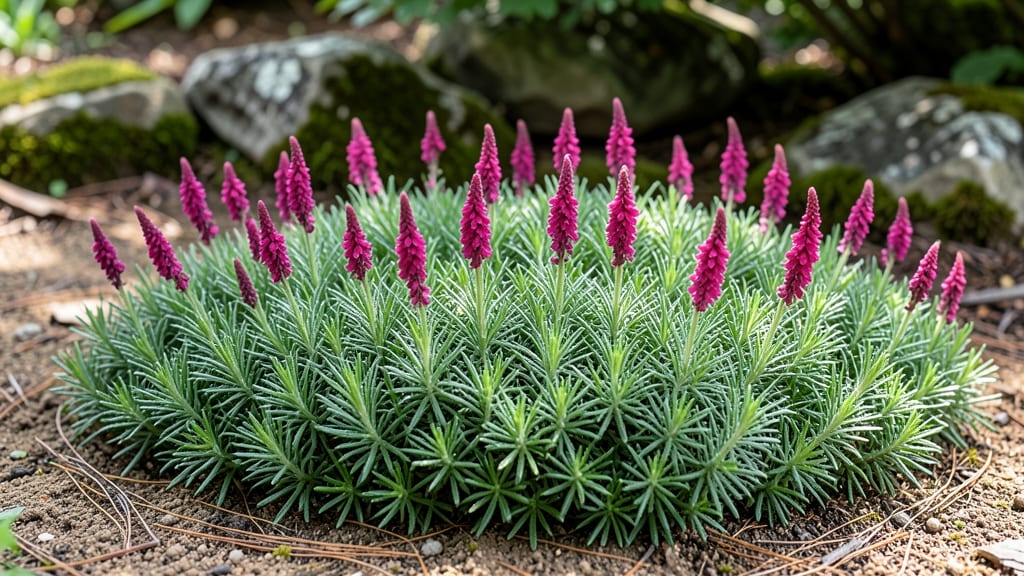
Woodland phlox blooms in late April to early May 🌸, but the exact timing depends on your variety and local climate—so knowing the right window can turn a patchy display into a full-season show.
If you’ve ever wondered why your woodland phlox sometimes blooms early and other times lingers late, the answer lies in the variety—and knowing the exact bloom windows can mean the difference between a garden full of purple spikes and a missed show.
Most varieties push through the soil in March but wait until soil temperatures hit 50°F before sending up those signature clusters. In cooler Zone 6 regions, expect blooms to stretch from mid-April to early June, while warmer areas may see an earlier start.
Below, I’ll break down the month-by-month bloom times for top varieties, plus the simple tweaks—like pruning and soil prep—that can extend your phlox’s show by weeks.
Woodland phlox bloom time by variety: month-by-month breakdown for purple perfection
Woodland phlox (Phlox divaricata and P. stolonifera) transforms shady gardens into purple clouds each spring, but bloom times vary wildly by variety. Some burst into flower by late March, while others linger until June.
Understanding these windows helps you plan companion plants and avoid missed shows. Let’s break down the exact bloom periods for six top varieties, plus how climate and USDA zones shift those timelines.
In USDA Zones 3-5, expect blooms to arrive 4-6 weeks later than in Zones 6-8. For example, Phlox divaricata ‘Cloud’ may bloom in April in Zone 6 but not until May in Zone 4.
Meanwhile, southern gardeners in Zone 8 might spot early blooms as soon as February in mild winters. Always adjust for last frost dates—phlox thrives in cooler temps and can even handle light frosts.
Pro Tip: Plant varieties with staggered bloom times (e.g., ‘Little Beauty’ + ‘Sherwood Purple’) to extend your garden’s purple season from March to June. This creates a continuous display and attracts pollinators like bees and butterflies. Now, let’s dive into the month-by-month breakdown for each variety.
If you’re in a warmer microclimate (e.g., near large bodies of water or in urban heat islands), expect blooms to arrive 2-3 weeks early. For instance, ‘Cloud’ might bloom in late February in Zone 8 with mild winters. Conversely, cold snaps in Zone 5 can
How to extend woodland phlox bloom time: pruning, deadheading, and soil secrets
Woodland phlox (Phlox divaricata) thrives on timing—both in nature and in your garden care. While most varieties bloom naturally in late spring to early summer, you can extend that show by weeks with strategic pruning, deadheading, and soil tweaks.
The key? Understanding when to encourage new growth versus preserving energy for next season's flowers.
I’ve found that late winter pruning (just before buds swell) can push blooms 2-3 weeks earlier, while aggressive deadheading after flowering can trigger a second flush in some varieties.
But timing matters—prune too late, and you risk cutting off next year’s buds. Let’s break down the exact steps to maximize your woodland phlox’s purple spikes.
5 Pro Tips to Extend Bloom Time
- 1. Late Winter Pruning: Cut back 1/3 of stems in February (before buds swell) to encourage earlier, denser blooms. Use clean, sharp shears to avoid tearing stems.
- 2. Deadhead Strategically: Snip spent blooms (but leave lower buds) to redirect energy to new flowers. Repeat every 7-10 days for a second flush in some varieties.
- 3. Phosphorus Boost: Apply a 5-10-10 fertilizer in early spring (March) to promote flower production. Avoid high-nitrogen feeds—they encourage leaves over blooms.
- 4. Adjust Sunlight: Move plants to morning sun + afternoon shade for longer bloom duration. Too much direct sun can shorten flowering by stressing the plant.
- 5. Mulch for Moisture: Add 2-3 inches of organic mulch (like shredded leaves) to retain soil moisture and regulate temperature, which keeps blooms vibrant longer.
Don’t overlook soil pH—woodland phlox prefers slightly acidic to neutral (6.0-7.0). Test your soil in fall and amend with compost or peat moss if needed. I’ve seen pH adjustments alone extend bloom time by 10-14 days in my own garden.
For late bloomers, try lightly pruning after the first flush (but before July) to encourage a second round of flowers. Just be cautious—pruning too late can stunt next year’s growth. Always leave at least 1/3 of the plant uncut to maintain structure.
Pro tip: Water deeply in the morning during bloom time to reduce stress and prevent fungal issues. Avoid evening watering—wet foliage overnight can shorten bloom duration by promoting mildew. A drip irrigation system set to run for 20 minutes daily works wonders.
With these tweaks, your woodland phlox can bloom from late April through June—or even later in cooler climates. The secret? Balance—prune early, feed smart, and let nature guide the timing. Happy gardening! 🌸